
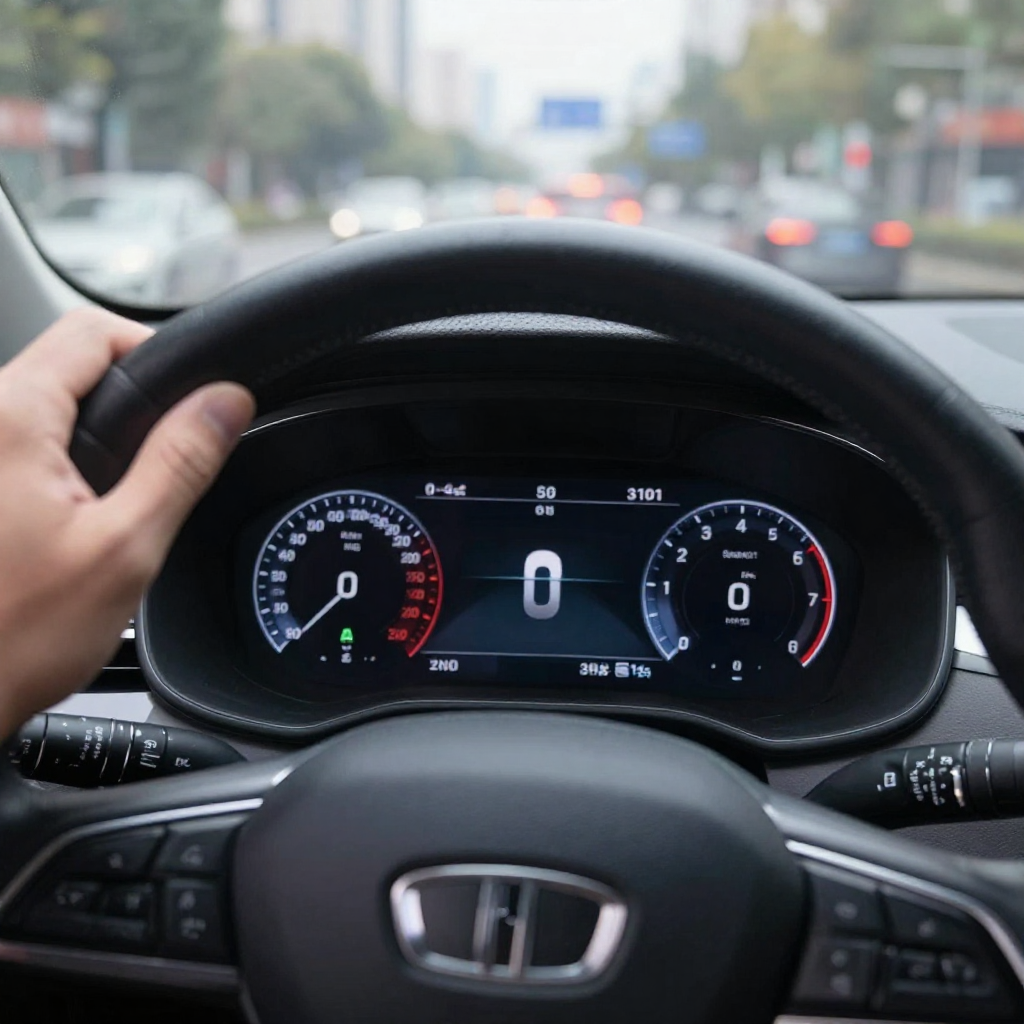
If you’ve owned or even test-ridden an electric vehicle for more than a week, you’ve probably had this moment:
“There’s no way I’m getting the range they promised.”
The brochure says one thing.
Your daily city commute says another.
And the gap between those two numbers is where confusion, frustration, and distrust begin.
At Engine Saga, we don’t treat this gap as a mystery; we treat it as a measurement problem. After more than 10 years of riding EVs in real traffic, across real cities, with real constraints, we’ve learned that manufacturer range claims don’t lie, but they rarely tell the whole truth.
This article breaks down:
- Why official range numbers consistently fail in urban conditions
- How those numbers are actually generated
- Where they disconnect from real-world riding
- And how Engine Saga tests EV range beyond marketing figures, with transparency and repeatability
Because understanding range isn’t about blaming manufacturers, it’s about measuring the right reality.
The Promise vs the Pavement
Let’s start with what riders actually experience.
A manufacturer claims:
- 120 km range
A city rider gets:
- 70–85 km on daily commutes
That’s a 30–40% difference, and for many riders, it feels like betrayal.
But here’s the uncomfortable truth:
Manufacturer range figures are not designed for your city.
They are designed for controlled, repeatable, compliance-focused testing, not for chaotic, stop-start, unpredictable urban life.
How Manufacturers Actually Calculate Range
To understand why claims fail, you first need to understand how they’re produced.
Most EV manufacturers rely on:
- Standardized test cycles
- Fixed speed profiles
- Ideal temperatures
- Minimal accessory usage
- Perfectly charged batteries
These tests exist for regulatory comparison, not rider realism.
What These Tests Assume
- Smooth acceleration
- No aggressive throttle
- No unexpected stops
- Stable battery temperature
- Flat terrain
- Zero traffic stress
In short, a world that does not exist in cities.
Cities Break Every Assumption in Range Testing
Urban riding violates almost every condition under which the range is calculated.
1. Stop-Start Traffic Isn’t a “Variable” It’s the Default
Cities are defined by:
- Traffic lights
- Congestion
- Speed breakers
- Pedestrian crossings
- Unpredictable flow
Range tests assume long stretches of uninterrupted motion. Cities deliver the opposite.
Each stop-start cycle:
- Demands peak current
- Introduces inefficiency
- Wastes unrecoverable energy
Multiply that across a daily commute, and the claimed range collapses quickly.
2. Acceleration in Cities Is Never Gentle
Test cycles assume gradual acceleration.
Urban reality:
- You accelerate hard to merge
- You brake suddenly to avoid collisions
- You repeat this dozens of times
Acceleration is the most energy-hungry phase of EV operation. Manufacturer tests drastically underrepresent how often it happens in cities.
3. Temperature Stability Is a Fantasy
Most official tests occur at:
- Controlled ambient temperatures
- Ideal battery conditions
City riding introduces:
- Cold starts every morning
- Short trips that never warm the battery
- Heat soak from traffic congestion
Battery efficiency changes dramatically with temperature, something brochure numbers seldom reflect.
The “Single Number” Problem
One of the biggest issues with manufacturer claims is that they reduce range to one number.
But range is not a constant.
It varies by:
- Rider behavior
- Traffic density
- Terrain
- Load
- Weather
- Riding mode
- Time of day
A single advertised range figure ignores all of this complexity and cities amplify every variable at once.
Why City Riders Feel Misled (Even When Manufacturers Follow Rules)
Most manufacturers are technically compliant.
They:
- Use approved test cycles
- Publish legally acceptable figures
- Avoid outright false claims
But compliance doesn’t equal clarity.
For city riders:
- The claimed number becomes an expectation
- Real-world range becomes a disappointment
This mismatch erodes trust, not because the EV failed, but because the context was never explained.
Engine Saga’s Philosophy: Range Is a Story, Not a Statistic
At Engine Saga, we stopped chasing “maximum range” years ago.
Instead, we ask:
How does this EV behave in the conditions people actually ride in?
Our approach treats range as:
- Situational
- Behavior-dependent
- Environment-sensitive
And that philosophy shapes how we test.
How Engine Saga Tests EV Range Beyond Manufacturer Claims
We don’t reject official numbers we build around them.
1. City-First Testing, Not Highway Bias
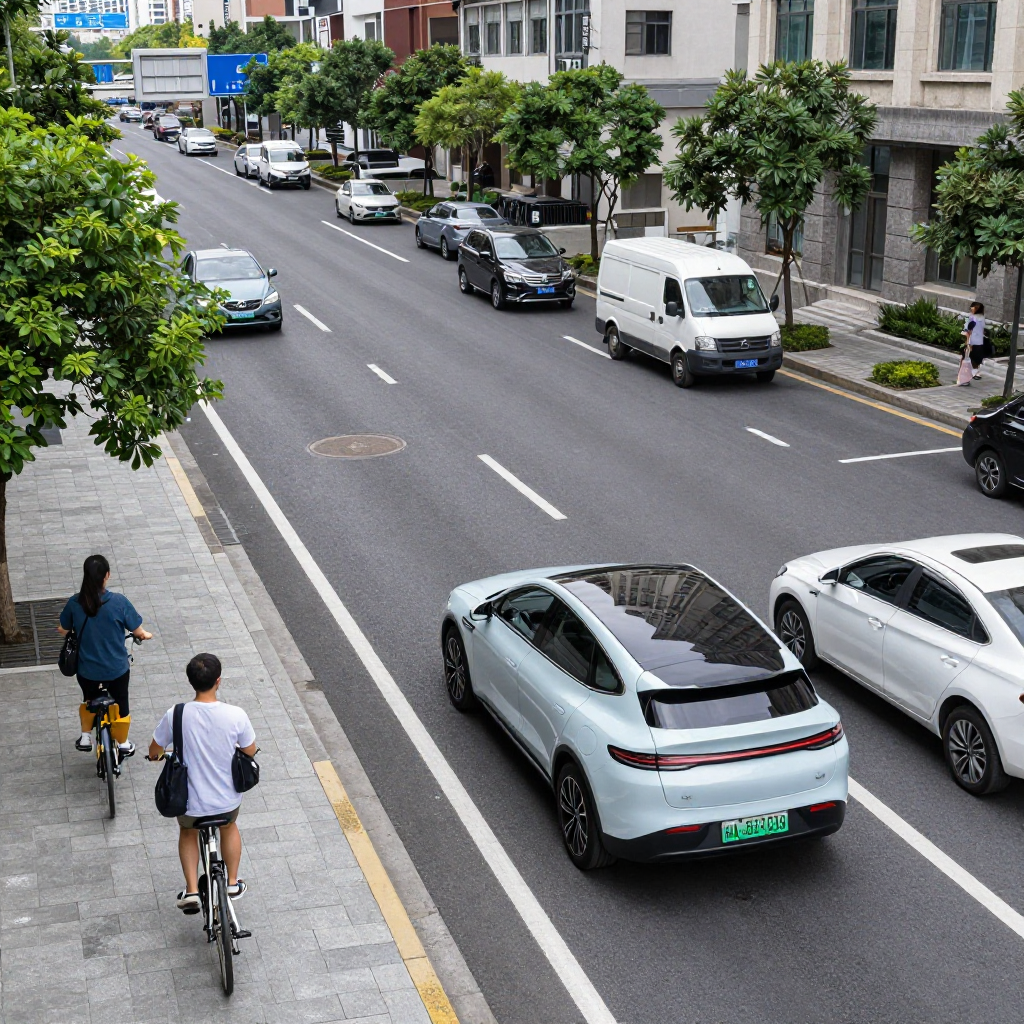
Most EV reviews focus on highways because they’re easier to measure.
We do the opposite.
Our city tests include:
- Dense traffic routes
- Repeated stops
- Peak-hour congestion
- Mixed speed zones
Because that’s where most EVs actually live.
2. Real Riders, Not Perfect Throttle Inputs
No robotic throttle control.
No artificial smoothness.
We test with:
- Experienced daily riders
- Natural riding styles
- Real reactions to traffic
This captures energy spikes that lab tests completely miss.
3. Multiple Ride Cycles, Not One “Best Run.”
Manufacturers often highlight ideal-case results.
We don’t.
We record:
- Best-case
- Average-case
- Worst-case
Because riders deserve to know the full spectrum.
4. Battery Percentage Tracking, Not Just Distance
Distance alone is misleading.
We track:
- Percentage drop per km
- Consumption patterns
- Degradation across repeated runs
This reveals inefficiencies that distance numbers hide.
5. Short-Trip Penalty Measurement
One of the biggest gaps in official testing is short trips.
We specifically test:
- 5 km runs
- 10 km errands
- Repeated cold starts
Because many city riders never ride long enough to reach peak efficiency.
Why Regen Looks Better on Paper Than in Cities
Manufacturer tests assume:
- Predictable braking
- Smooth deceleration
Cities offer:
- Sudden stops
- Panic braking
- Low-speed traffic
Regen efficiency drops sharply under these conditions, something Engine Saga testing consistently reveals.
Accessory Load: The Hidden Drain
Displays, lights, connectivity modules, and GPS all draw power continuously.
Official tests often minimize or ignore these loads.
In cities:
- Accessories run longer per km
- Energy cost per distance increases
We keep accessories active during testing because riders do too.
Transparency Is More Important Than Big Numbers
We believe riders don’t need:
- Inflated range figures
- Perfect scenarios
They need:
- Honest expectations
- Clear conditions
- Practical planning data
That’s why Engine Saga reports always explain:
- How the range was achieved
- Where it will drop
- Why it changes
Why We Publish Ranges as Bands, Not Claims
Instead of saying:
“This EV gets 100 km.”
We say:
“Expect 65–85 km in dense city use, depending on riding behavior.”
That honesty builds long-term trust and prevents unrealistic expectations.
Educating Riders Is Part of Testing
Range testing isn’t just measurement, it’s education.
We teach riders:
- How behavior affects consumption
- Why cities punish inefficiency
- How to adapt riding style
An informed rider extracts more usable range than a bigger battery ever will.
The Industry Is Slowly Catching Up, But Not Fast Enough
Some manufacturers now offer:
- City vs highway estimates
- Multiple riding modes
- Usage disclaimers
But many still rely on headline numbers because they sell.
Until urban-first testing becomes standard, independent platforms like Engine Saga fill the gap.
The Real Cost of Inflated Expectations
When range claims fail in cities:
- Riders lose confidence
- EV adoption slows
- Word-of-mouth turns negative
Accurate expectations are not anti-EV; they are pro-EV.
Final Thoughts from Engine Saga
After more than a decade of riding, testing, and listening, our stance is clear:
Manufacturer range claims aren’t wrong, they’re incomplete.
Cities expose what lab tests hide.
That’s why Engine Saga exists:
- To test where riders actually ride
- To explain why numbers change
- To replace disappointment with understanding
Because the future of electric mobility depends not on bigger claims, but on better truth.