
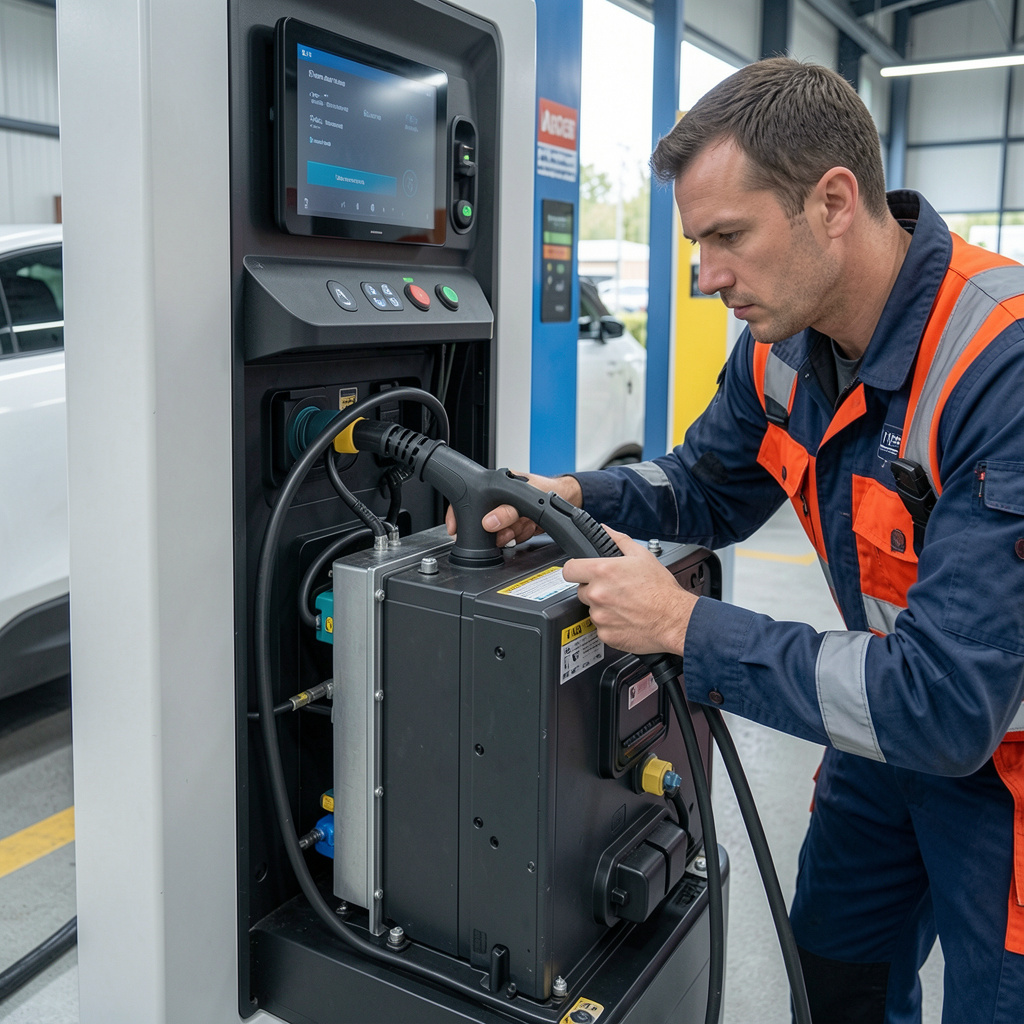
Why EV Charging Myths Continue to Mislead Riders And What Actually Matters for Long-Term Battery Health
If there is one topic that creates more confusion among electric vehicle owners than driving range, it is charging behavior. From online forums and social media groups to local workshops and casual conversations between riders, charging advice is everywhere. The problem is that much of it is repeated without context, technical understanding, or real-world experience.
At Engine Saga, we repeatedly hear the same warnings from concerned EV riders:
- “Never charge your EV overnight because it damages the battery.”
- “Fast charging destroys battery cells over time.”
- “Charging to 100% will permanently reduce battery life.”
- “Always drain the battery fully before recharging.”
These statements are often shared with complete confidence, which makes them sound like universal truths. Riders hear them from friends, mechanics, dealership staff, YouTube videos, and WhatsApp groups so frequently that many stop questioning whether the advice is actually accurate.
The result is a growing number of EV owners who develop charging habits based more on fear than understanding. Ironically, some of these habits can create unnecessary stress for both the rider and the battery itself.
After years of observing real-world EV battery performance, testing different charging routines, and monitoring long-term ownership patterns, one thing becomes very clear:
Most battery problems are caused by misunderstanding battery behavior, not by normal everyday charging.
Why So Many EV Battery Charging Myths Exist
A major reason these myths continue spreading is because people often compare modern EV batteries to older technologies without realizing how much battery systems have evolved.
Many riders still apply habits from older lead-acid batteries or early consumer electronics to modern lithium-ion EV batteries. For example, older batteries sometimes benefited from full discharge cycles, which created the belief that modern EVs should also be drained completely before charging. In reality, today’s lithium-ion battery systems behave very differently.
Another reason for confusion is that battery discussions often lack context. A statement like “fast charging creates heat” is technically true, but that does not automatically mean occasional fast charging will destroy a battery. Modern EV battery management systems are specifically designed to control temperature, charging speed, and cell protection.
Without proper explanation, partial truths quickly become exaggerated myths.
The Real Factors That Affect EV Battery Health
When discussing best EV battery charging habits for long-term battery life, the focus should be on overall charging patterns rather than isolated actions.
In real-world ownership, battery longevity is influenced more by consistent stress over time than by occasional exceptions. Factors that actually matter include:
- Repeated exposure to extreme heat
- Keeping the battery at very high or very low charge levels for long periods
- Aggressive charging habits combined with poor thermal conditions
- Lack of battery temperature management
- Continuous heavy-load driving immediately after charging
By contrast, many everyday behaviors that riders worry about such as occasional overnight charging or periodic fast charging during travel are usually far less harmful than people assume when managed properly.
Why Fear-Based Charging Habits Can Backfire
Many EV owners become so focused on “protecting” their battery that they unintentionally make ownership more stressful than necessary. Some avoid charging overnight even when it is the most convenient and stable option. Others constantly interrupt charging sessions or refuse to use fast chargers even during long-distance travel.
This type of anxiety often comes from misunderstanding how lithium-ion EV batteries actually age in real-world conditions.
Modern EV systems are built with sophisticated battery management software that regulates charging speed, balances cells, and protects against damaging extremes. While no battery lasts forever, most modern EV batteries are far more durable than early myths suggest.
In many cases, practical consistency matters more than obsessive perfection.
Why EV Charging Myths Spread So Easily And Why So Many Riders Still Believe Them
As electric vehicles become more common, conversations around battery care and charging habits have exploded online. Unfortunately, accurate information has not always grown at the same pace. Today, many EV owners are surrounded by conflicting advice about charging, battery degradation, and long-term performance.
Some riders become overly cautious. Others ignore battery care completely. Both situations often begin with the same problem: misinformation spreading faster than real-world understanding.
One reason this happens so easily is because battery technology feels complicated to most people. When technical systems are not fully understood, simple explanations and dramatic warnings tend to spread quickly especially when they involve expensive components like EV batteries.
Understanding why EV charging myths continue to circulate helps riders separate practical battery care from unnecessary fear.
1. Old Battery Habits Still Influence Modern EV Thinking
One of the biggest reasons charging myths survive is because many people still apply outdated battery logic to modern electric vehicles.
Older technologies such as lead-acid batteries, early smartphone batteries, and aging laptop cells behaved very differently from today’s advanced lithium-ion EV battery systems. In the past, users were often told to completely drain batteries before recharging or avoid leaving devices plugged in overnight.
As a result, these habits became deeply ingrained in people’s minds.
Now, many riders unknowingly transfer those same assumptions to electric vehicles without realizing that modern EV battery management systems are designed differently. Today’s lithium-ion batteries use sophisticated thermal management, voltage balancing, and charging controls that dramatically reduce many of the problems older batteries experienced.
However, because these older habits were repeated for years, they continue circulating through social media groups, online forums, repair shops, and casual conversations.
This is why many riders still search for questions like:
- “Is overnight EV charging bad for the battery?”
- “Should I fully drain my EV battery before charging?”
- “How do I charge an EV battery properly for long life?”
The confusion comes from mixing outdated battery behavior with modern EV technology.
2. Partial Truths Often Turn Into Misleading Rules
Another reason EV charging myths spread so easily is because many of them begin with a small amount of truth.
For example:
- Heat can affect battery health
- High voltage creates stress over time
- Charging habits do influence long-term battery condition
These statements are technically correct. The problem begins when people remove context and turn these ideas into rigid universal rules.
For instance, hearing that “heat affects batteries” may lead some riders to believe fast charging should never be used. Similarly, learning that “high charge levels create stress” can cause unnecessary anxiety about charging above certain percentages.
In reality, real-world EV battery health depends on overall usage patterns, not isolated moments.
Myth 1: “Overnight Charging Kills EV Batteries”
This is easily one of the most repeated EV myths online. Many riders assume that leaving an EV plugged in overnight means the battery continues charging for hours, creating excessive stress and long-term damage.
Why Many Riders Believe This
People often assume:
- The charger keeps forcing electricity into the battery all night
- Staying plugged in automatically means overcharging
- Overnight charging constantly stresses the battery at 100%
This sounds logical at first, especially for people familiar with older battery technologies. However, modern EV systems work very differently.
The Reality: Modern EVs Manage Charging Automatically
Today’s electric vehicles are equipped with advanced Battery Management Systems (BMS) that continuously regulate charging behavior.
These systems monitor:
- Voltage levels
- Battery temperature
- Charging speed
- Cell balancing
- Power flow limits
As the battery approaches its target charge level, charging current gradually slows down through a process called charge tapering. Once the desired level is reached, the system effectively stops active charging.
In simple terms, modern EV chargers do not keep aggressively pushing power into the battery overnight.
Myth 2: “Fast Charging Destroys EV Batteries”
Fast charging has developed a negative reputation among many EV owners. Some riders avoid it completely out of fear that occasional use will rapidly damage battery cells.
The Truth: Heat Management Matters More Than Charging Speed Alone
Modern fast charging systems are designed with temperature monitoring, battery cooling, and power regulation systems specifically intended to protect battery health.
Occasional fast charging:
- Is already accounted for in modern battery design
- Usually causes minimal long-term impact
- Becomes problematic mainly under repeated extreme conditions
The bigger issue is uncontrolled heat buildup not charging speed by itself.
What Actually Increases Battery Stress
Battery degradation becomes more likely when riders:
- Use repeated fast charging back-to-back
- Charge aggressively in extremely hot temperatures
- Use low-quality charging infrastructure without proper thermal safeguards
In our real-world observations at Engine Saga, batteries that occasionally fast charge but primarily use slower home charging often age very similarly to batteries that rarely fast charge at all.
The key lesson is simple:
Responsible fast charging is not the enemy. Poor heat management is.
Myth 3: “Charging to 100% Is Always Bad”
This myth is especially confusing because it contains a partial truth.
Why Riders Become Afraid of Full Charging
Many EV owners hear statements like:
- “High voltage damages battery cells.”
- “Never charge beyond 80%.”
- “100% charging destroys long-term range.”
Over time, these warnings create unnecessary anxiety whenever the battery level climbs above 90%.
The Balanced Reality About Full Charging
Yes, very high voltage can create additional chemical stress inside lithium-ion batteries over long periods. However, modern EVs are specifically engineered to handle full charging safely when necessary.
Most EVs include:
- Protective voltage buffers
- Controlled charging algorithms
- Built-in overcharge prevention systems
This means occasional charging to 100% is completely normal especially before long trips.
Myth 4: “You Must Fully Drain the Battery Before Recharging”
This advice comes from much older battery technologies and does not apply to modern lithium-ion EV batteries.
Why This Myth Still Exists
Older batteries sometimes required full discharge cycles for calibration or memory-related issues. As a result, many people still believe draining an EV battery completely is somehow beneficial.
You will still hear claims such as:
- “It resets the battery.”
- “Deep discharging improves performance.”
- “Full discharge increases capacity.”
For modern EV batteries, these ideas are largely outdated.
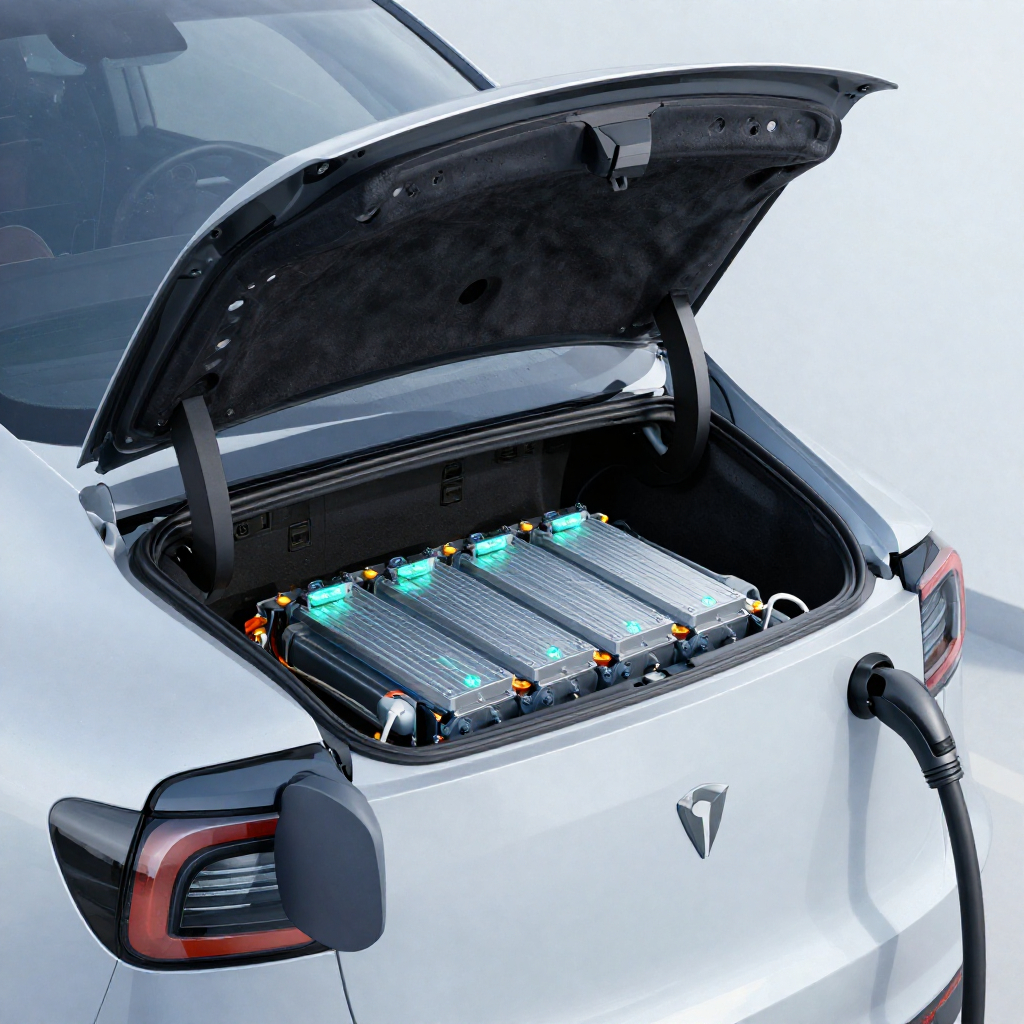
The Truth About Deep Battery Discharge
Frequent deep discharges actually increase battery stress.
Regularly pushing the battery to extremely low levels can:
- Increase internal resistance
- Strain cell chemistry
- Accelerate long-term degradation
Modern EV batteries generally perform best when kept within moderate operating ranges.
This is why many experts recommend:
- Partial charging instead of extreme cycles
- Frequent top-ups when convenient
- Avoiding repeated very low battery states
In real-world use, batteries maintained between roughly 20–90% often show slower long-term aging than batteries constantly pushed to extremes.
EV Battery Usage & Charging Cycles Explained Clearly
| Concept | What It Means in Simple Terms | Common Misunderstanding | Actual Technical Reality | Why This Matters for Battery Health | Real-World Example |
| 100% Battery Usage | Using a total of 100% battery capacity over time | Many riders believe this means charging from 0% to 100% in one go | Battery cycles are calculated based on total energy used, not how many times you plug in | Understanding this helps riders avoid unnecessary full discharges | Riding 40% today and 60% tomorrow equals one full battery cycle |
| Not One Plug-In Session | A full cycle does not require one single charging session | Riders often assume one full charge = one full cycle | Multiple partial charges together can form one full cycle | Prevents fear of frequent charging damaging the battery | Charging 20% at home and 30% at work is still normal usage |
| Two 50% Charges | Charging 50% twice equals 100% usage | Some think partial charges don’t “count” | Battery management systems track cumulative energy flow | Partial charging is actually healthier for lithium batteries | Charging from 30% to 80% twice equals one cycle |
| Battery Cycle Definition | One complete cycle equals 100% energy used | Often confused with a single overnight charge | A cycle can be spread over several days | Proper understanding extends battery lifespan | Four 25% rides equal one cycle |
| Plug-In Frequency | How often you connect the charger | Frequent plugging is assumed to degrade the battery | Plug-ins alone do not harm the battery | Encourages convenient top-up charging habits | Daily short top-ups are safe and recommended |
| Partial Charging | Charging without reaching 100% | Considered “incomplete” charging by some users | Lithium batteries prefer partial charging | Reduces stress on battery cells | Charging between 20%–80% improves longevity |
| Deep Discharge | Using battery down to very low levels | Seen as necessary to “calibrate” battery | Regular deep discharges increase wear | Avoiding deep discharge preserves capacity | Riding until 5% daily accelerates degradation |
| Battery Management System (BMS) | Software controlling battery safety | Often ignored by users | BMS accurately tracks cycles and usage | Protects battery from over-charge and over-discharge | Modern EVs automatically manage cycle counting |
| Charging to 100% | Fully charging the battery | Believed to be required for “proper” charging | Only needed occasionally, not daily | Frequent full charges increase long-term stress | Best saved for long rides or trips |
| Everyday Charging Habit | How users charge daily | Users wait for battery to drop very low | Regular small charges are healthier | Improves battery lifespan and reliability | Charging at 40–60% daily is ideal |
| Battery Longevity Impact | Long-term battery health | Users fear charging “too often” | Total energy flow matters more than charge count | Reduces unnecessary anxiety about charging | Smart habits can add years to battery life |
| Urban EV Usage | City riding patterns | Short rides seem inefficient | EVs are designed for frequent small usage | Ideal for daily commuting | Office commute + errands still count normally |
| Cycle Life Ratings | Manufacturer cycle claims | Misread as charge count | Rated in full cycles, not plug-ins | Helps riders understand warranty limits | 1,000 cycles ≠ 1,000 charges |
| Range Anxiety Myth | Fear of charging behavior | Users avoid charging too often | Frequent top-ups reduce range anxiety | Builds confidence in EV ownership | Plugging in whenever convenient is safe |
| Best Practice Summary | How to charge correctly | One wrong habit ruins battery | Consistent, moderate charging is best | Simple habits lead to long-term savings | Keep battery between 20%–80% most days |
Engine Saga’s Long-Term Charging Philosophy
At Engine Saga, our understanding of EV battery health hasn’t come from isolated lab tests or internet myths it has come from years of observing real riders, real charging habits, and real urban ownership patterns. And across different vehicles and riding conditions, one principle continues to prove itself:
Batteries age best when treated calmly, not cautiously.
Many new EV owners approach charging with unnecessary fear. They obsess over percentages, avoid using the vehicle naturally, or follow outdated battery advice designed for older technologies. But modern EV systems are far more intelligent and resilient than most people assume.
What Actually Protects EV Battery Health Over Time
Long-term battery preservation is rarely about one perfect charging habit. It’s about consistency.
The riders who experience the healthiest long-term battery performance usually focus on practical fundamentals:
- Avoiding extreme heat exposure whenever possible
- Maintaining stable, realistic charging routines
- Staying within moderate charge ranges for daily use
- Using reliable, quality charging equipment
These factors influence battery aging far more than occasional fast charging or a single deep discharge ever will.
More importantly, experienced owners learn to trust the vehicle’s battery management system instead of constantly fighting it. EVs are designed to be used not protected from normal life.
Final Thoughts from Engine Saga
Charging myths rarely destroy batteries overnight. Instead, they create long-term stress through misinformation, anxiety-driven habits, and misplaced caution.
And over time, that mindset damages the ownership experience more than the battery itself.
The turning point comes when riders replace fear with understanding. When balance replaces obsession. When charging becomes routine instead of emotional.
That’s when EV ownership starts feeling natural.
Because electric vehicles were never meant to be fragile experiments. They were built to simplify movement, reduce friction, and make everyday driving calmer, cleaner, and more reliable.
And once riders let go of unnecessary charging myths, they finally experience EV ownership the way it was always intended to feel: effortless.
Frequently Asked Questions (FAQs)
Does charging an EV overnight damage the battery over time?
Modern electric vehicles are designed to manage overnight charging safely through advanced battery management systems. Once the target charge level is reached, charging slows or stops automatically, reducing stress and preventing the constant overcharging problems associated with older battery technologies.
Is fast charging the biggest reason EV batteries degrade early?
Occasional fast charging is not usually harmful by itself. Long-term battery degradation is more closely linked to repeated heat exposure, constant extreme charge levels, and poor charging habits. Using DC fast charging only when necessary is generally considered safe for modern EVs.
Should EV owners always charge their battery to 100 percent?
Charging to 100 percent daily is unnecessary for most urban commuters. Moderate charge ranges are typically better for long-term battery stability. Full charging is more practical before extended trips where maximum available range is genuinely needed for convenience and planning.
What charging habits actually help preserve EV battery health?
Consistent charging routines, avoiding excessive heat, using reliable charging equipment, and maintaining moderate daily charge levels are more beneficial than obsessing over small percentage fluctuations. Long-term battery health depends more on overall patterns than isolated charging sessions.
Why do EV charging myths create unnecessary battery anxiety?
Many charging myths originate from outdated battery technologies or isolated online experiences taken out of context. This misinformation causes riders to over-monitor normal behavior, creating stress and unrealistic expectations instead of helping them develop balanced long-term ownership habits.
You might also like the following…
- 5 Proven Benefits of Electric Car Brake Service
 Electric car brake service is an important part of maintaining an electric vehicle, even though EVs often need brake pad replacements less frequently than gasoline-powered cars. Thanks to regenerative braking, electric cars can reduce friction-brake… Read more: 5 Proven Benefits of Electric Car Brake Service
 - 10 Essential Tips to Inspect Before a Long EV Road Trip Safely
 Planning a long electric vehicle road trip involves more than charging the battery to 100% and entering a destination into your navigation system. Before leaving home, it is worth checking your tires, brakes, charging equipment,… Read more: 10 Essential Tips to Inspect Before a Long EV Road Trip Safely
 - How to Avoid Wasting Money on Trendy EV Add-Ons
 How to Avoid Wasting Money on Trendy EV Add-Ons is becoming an important question for EV owners. Once you buy an electric vehicle, it is surprisingly easy to keep spending money on products that promise… Read more: How to Avoid Wasting Money on Trendy EV Add-Ons