
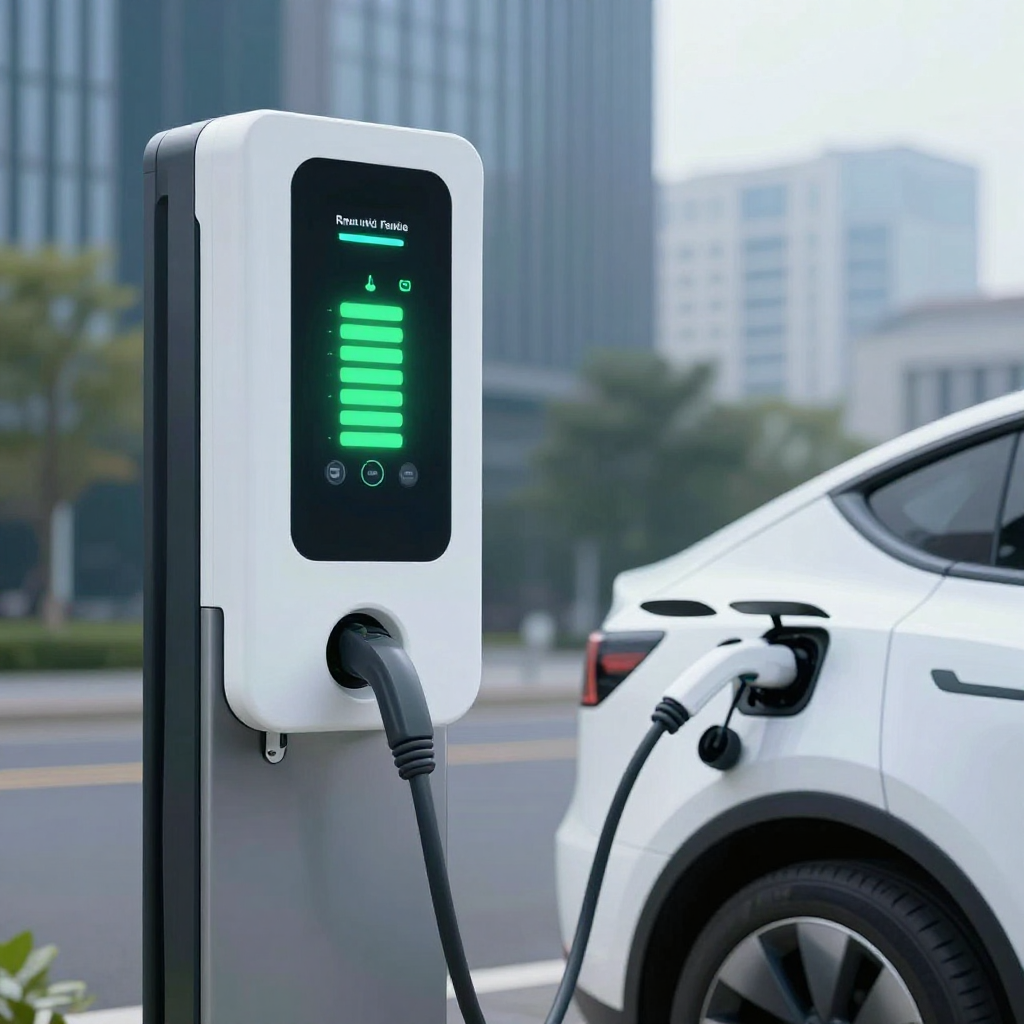
EV Battery Habits: Real-World Range After One Year
Most EV reviews stop where real ownership actually begins.
They measure the range when the battery is still new.
They highlight efficiency during ideal conditions.
They publish impressive numbers before daily habits, changing weather, traffic patterns, and charging routines begin to shape real performance.
But here’s the problem: EV range is not a fixed number it evolves over time.
For everyday riders, the real questions are different:
- How much range do electric vehicles actually lose after one year?
- Do proper battery habits really make a measurable difference long-term?
- What happens to EV efficiency in real-world city commuting, not controlled testing?
- Can you maintain consistent range without obsessive charging behavior?
At Engine Saga, we wanted answers grounded in reality not lab simulations.
So instead of short-term testing, we tracked our EV over a full year of ownership, focusing on practical battery care habits, real traffic conditions, seasonal weather changes, and consistent daily usage.
No extreme measures.
No unrealistic routines.
Just repeatable, informed ownership that any EV rider can follow.
This isn’t a controlled experiment.
It’s a long-term EV ownership case study designed to solve a common concern:
👉 Does your EV range hold up over time or slowly decline without you noticing?
In the sections ahead, we break down exactly what changed, what stayed consistent, and what most EV owners get wrong about long-term battery performance.
Why We Tracked a Single EV for 12 Months: Understanding Real-World Range Loss, Battery Habits, and Long-Term Performance Differences
Over the years, one pattern kept showing up across the EV community and it raised more questions than answers.
Two riders.
Same electric vehicle.
Same battery capacity.
Same city conditions.
Yet after one year, their experiences looked completely different.
One rider reports:
“My EV range dropped significantly over time.”
Another says:
“My range feels almost the same even after a year.”
So what’s really going on here?
Is EV battery degradation inconsistent?
Are manufacturer range claims unreliable?
Or are daily usage habits quietly shaping long-term performance more than most people realize?
These are not small questions they directly impact how far your EV can travel, how often you need to charge, and how confident you feel using it every day.
Instead of relying on assumptions or short-term tests, we decided to investigate this properly by focusing on one clear goal:
👉 Track how real-world EV range changes after one full year of normal, practical ownership.
But we approached this differently from typical reviews.
We didn’t follow extreme battery preservation methods.
We didn’t use ideal laboratory conditions.
We didn’t treat the vehicle like a fragile experiment.
Instead, we focused on what most riders actually want to know:
- How do everyday charging habits affect EV battery health over time?
- Can you prevent noticeable range loss without overthinking every charge cycle?
- What is the realistic EV range after one year of city commuting and mixed usage?
- Do small, consistent habits really outperform occasional “perfect” behavior?
To answer these, we committed to a simple, transparent framework:
- Ride normally in real traffic and daily routines
- Charge responsibly, avoiding both neglect and obsession
- Track consistently, recording range, efficiency, and conditions over time
No shortcuts.
No selective reporting.
Just long-term EV ownership data that reflects how people actually use their vehicles.
Because the truth is simple:
EV range after one year isn’t random it’s the result of repeatable habits.
And understanding those habits is what separates range anxiety from range confidence.
The EV, the Usage, and the Ground Rules
This wasn’t a garage-kept showpiece.
This EV was used for:
- Daily city commuting
- Short errands
- Occasional longer rides
- Real traffic
- Real weather
- Real mistakes
The Battery Habits That Made the Biggest Difference
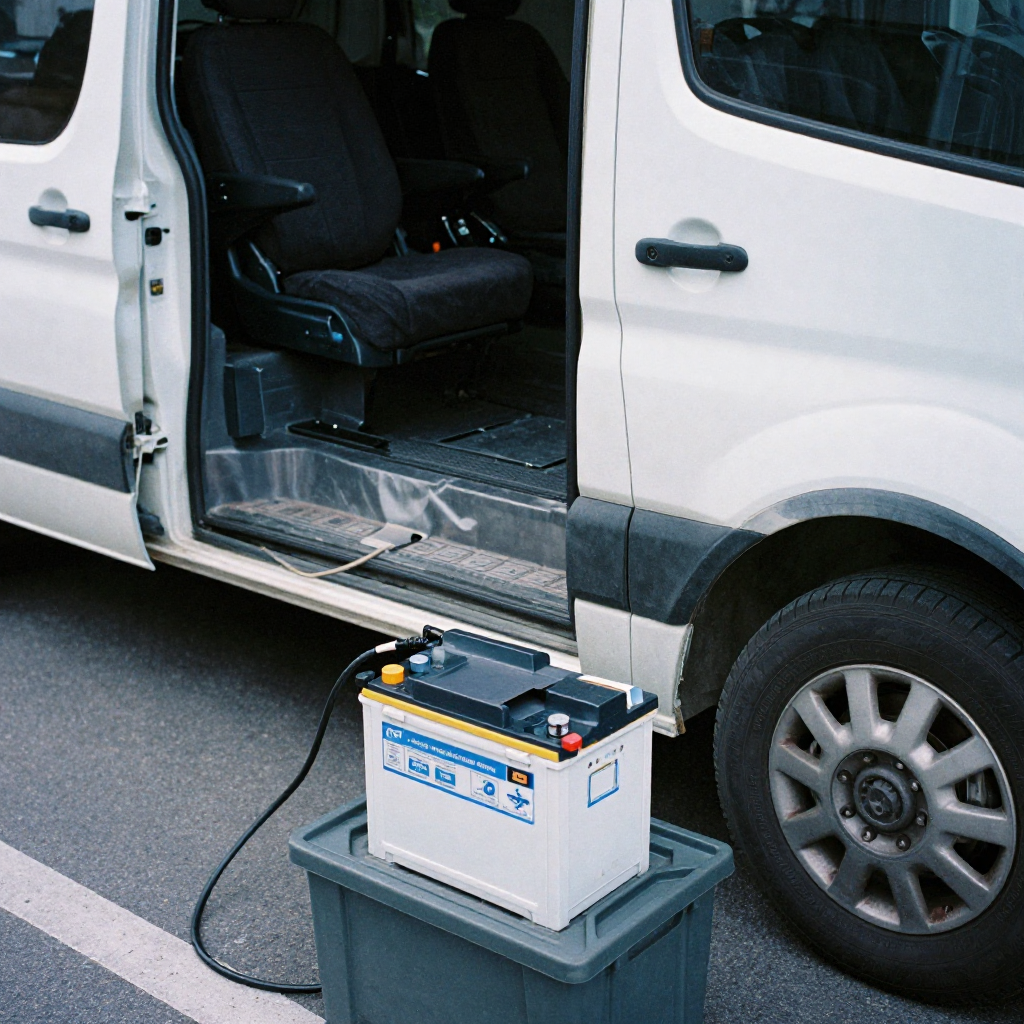
Looking back, a few habits mattered far more than others.
The Battery Habits That Actually Preserve EV Range Over Time: Practical Charging, Driving, and Usage Strategies That Work in Real Life
When people ask, “How can I maintain my EV’s range after one year?” they often expect complex rules or strict routines.
But the reality is much simpler and far more practical.
Long-term EV battery health isn’t built on perfection.
It’s shaped by consistent, realistic habits that reduce stress on the battery without making ownership inconvenient.
Over the course of a full year, we focused on everyday behaviors that any rider can follow. No extreme discipline. No obsessive monitoring. Just smart, repeatable actions that support battery longevity and stable real-world range.
Here’s what actually made a measurable difference:
1. Why Avoiding Daily 100% Charging Helps Reduce Long-Term Battery Degradation
One of the most common questions from EV owners is:
👉 “Should I charge my electric vehicle to 100% every day?”
Our experience suggests: not necessary and often not beneficial.
We didn’t avoid 100% charging out of fear.
We simply used it when it made sense.
- Daily charging was typically maintained between 80–90%
- Full 100% charges were reserved for long trips or extended rides
- This reduced prolonged high-voltage stress, which can impact battery health over time
The result?
More stable performance without sacrificing usable range.
2. Overnight EV Charging: Safe, Practical, and Stress-Free When Done Right
Another concern riders often have is:
👉 “Is it safe to charge an EV overnight regularly?”
In real-world ownership, overnight charging is not only normal it’s often the most convenient option.
We charged overnight frequently, but with a few practical considerations:
- Used a slow or standard charger instead of fast charging daily
- Ensured proper wiring and stable electrical setup
- Avoided unnecessary full charges when not needed the next day
Instead of worrying about every charge cycle, we focused on consistency and safety.
Because in the long run, a calm, repeatable charging routine is better than irregular, fear-based decisions.
3. Why Avoiding Deep Discharge Improves EV Battery Longevity
Many riders unknowingly stress their batteries by regularly running them too low.
A common question is:
👉 “How low should I let my EV battery go before charging?”
Our approach was simple:
- Avoid dropping into very low battery levels frequently
- Treat 20–30% as a comfortable recharge zone
- Skip the habit of pushing the battery to its last few percent
This helped reduce:
- Excessive heat buildup during deep discharge
- Stress on weaker or imbalanced cells
- Sudden voltage drops that impact performance consistency
Over time, this contributed to a more stable and predictable range experience.
4. Smooth Driving vs Slow Driving: The Real Key to Better EV Efficiency
A major misconception is that driving slowly is the best way to maximize EV range.
In reality, it’s not about speed it’s about how you control energy use.
Instead of forcing slow speeds, we focused on:
- Gradual acceleration instead of sudden bursts
- Anticipated braking instead of last-second stops
- Steady throttle control in urban traffic
This reduced unnecessary energy spikes and improved efficiency in real conditions.
👉 Smooth driving habits matter more than simply reducing speed.
And importantly, this approach is sustainable you don’t feel like you’re sacrificing your normal riding style.
5. Why Regular EV Usage Is Better Than Long Idle Periods
Another overlooked factor in EV battery health is how often the vehicle is used.
Some owners assume that using the EV less will preserve the battery.
But in practice:
👉 Batteries perform better when they are used regularly under moderate conditions.
We avoided:
- Leaving the EV unused for long periods
- Storing it at high charge levels for days or weeks
Instead, we focused on:
- Frequent, normal usage
- Keeping the battery within a balanced charge range
- Allowing natural charge-discharge cycles through daily riding
This helped maintain battery activity and stability, which supports long-term performance.
EV Range After 6 Months to One Year: Real-World Battery Degradation, Seasonal Impact, and What Actually Matters for Long-Term Performance
By the time an EV crosses the six-month mark, the conversation naturally shifts from excitement to evaluation.
This is where many owners begin asking more practical, experience-driven questions:
- How much EV range loss is normal after 6 months or one year?
- Do weather conditions permanently affect EV battery performance?
- Is my battery degrading faster than expected or is this normal behavior?
- Why does my range feel different even when nothing seems wrong?
Instead of guessing, we used this phase to carefully observe how the vehicle behaved under real-world usage, seasonal variation, and consistent daily habits.
Mid-Year EV Battery Check (6 Months): Stability Matters More Than Peak Numbers
At six months, we reviewed all key indicators of battery health and performance.
What stood out wasn’t change it was consistency.
What remained stable:
- No noticeable drop in daily usable EV range
- No sudden or abnormal battery percentage drops
- Charging behavior remained smooth and predictable
What evolved naturally:
- Range estimates became more accurate and reality-based
- Battery percentage readings felt more trustworthy over time
- Energy consumption stabilized across repeated city routes
This led to an important realization:
👉 A healthy EV battery doesn’t show dramatic improvements or declines it delivers steady, uneventful performance.
And in long-term ownership, that “boring” consistency is exactly what you want.
Months 7–9: How Seasonal Conditions Affect EV Range (Without Causing Permanent Damage)
As the months progressed, external conditions began to change and this is where many EV owners start to worry.
We exposed the vehicle to:
- Higher ambient temperatures
- Increased traffic congestion
- Occasional longer idle periods
Naturally, these factors influenced short-term efficiency.
But here’s what actually happened:
- Minor variations in energy consumption, depending on conditions
- Temporary range fluctuations, especially during peak heat or heavy traffic
- No lasting impact on battery capacity or long-term range
Once conditions normalized, performance returned to its previous pattern.
👉 This confirms a key point:
Seasonal stress affects efficiency temporarily not battery health permanently when proper habits are maintained.
One Year Later: Real EV Range Retention and What the Data Actually Shows
After a full year of realistic usage, the results were clear and far more reassuring than many expect.
- Real-world city range stayed within 90–95% of early ownership levels
- No signs of sudden battery degradation
- No unexpected charging issues or inconsistencies
- No real “range anxiety” moments in daily use
But the most valuable outcome wasn’t just the numbers.
It was this:
- Range became predictable
- Trip planning required less effort
- Confidence replaced constant calculation
Final Insight: Consistency Beats Perfection in EV Battery Care
If you’re worried about EV range loss after one year, the takeaway is simple:
You don’t need extreme discipline.
You don’t need constant monitoring.
You don’t need to treat your EV like a fragile system.
What you do need is:
- Balanced charging habits
- Stable daily usage
- Confidence in realistic patterns
Because over time, one truth becomes clear:
👉 EV range doesn’t decline suddenly it reflects how consistently and sensibly the vehicle is used
Final Thoughts After One Year of EV Ownership: How Proper Battery Habits Preserve Range, Improve Reliability, and Eliminate Range Anxiety
After a full year of real-world usage, one conclusion stands stronger than any single data point:
👉 Proper EV battery habits don’t increase your range they protect it over time.
And more importantly, they protect something most riders care about even more than numbers:
Confidence behind the wheel.
What One Year of EV Ownership Really Teaches About Battery Health and Range Retention
Many new owners search for answers like:
- “How to maintain EV range after one year?”
- “Do battery care habits actually make a difference long term?”
- “Can I avoid noticeable EV battery degradation?”
Based on consistent tracking and practical usage, the answer is clear:
You don’t need extreme control you need consistent, balanced habits.
After one year:
- The EV didn’t feel weaker or unreliable
- Daily range remained predictable and usable
- Charging behavior felt routine, not stressful
- There were no sudden drops or unexpected performance issues
Instead of feeling older, the vehicle felt better understood.
The Real Goal of EV Ownership: Stability Over Perfection
It’s easy to focus on peak numbers maximum range, best efficiency, ideal conditions.
But long-term ownership shifts your priorities.
What actually matters is:
- Predictability → Knowing how far you can go without guessing
- Reliability → Consistent performance across daily use and changing conditions
- Peace of mind → No constant monitoring, no unnecessary stress
👉 Because a stable EV experience is far more valuable than occasional high performance.
Frequently Asked Questions (FAQs)
Do good EV battery habits really make a noticeable difference in real-world range after one year?
Yes, they can. While modern EV batteries naturally experience some capacity loss over time, consistent charging and driving habits help slow unnecessary degradation. Drivers who avoid frequent deep discharges, excessive fast charging, and prolonged exposure to extreme temperatures often notice that their vehicle delivers more consistent real-world range after one year.
How much does frequent DC fast charging affect an EV battery over a year?
Frequent DC fast charging doesn’t instantly damage an EV battery, but relying on it as your primary charging method can contribute to faster battery wear over time. Fast charging generates more heat than Level 1 or Level 2 charging, increasing stress on battery cells.
What daily charging routine is best for maintaining EV battery range over the long term?
For most EV owners, the healthiest routine is charging the battery between approximately 20% and 80% during regular use, unless a longer trip requires a full charge. Avoid leaving the battery at 100% or near empty for extended periods, and charge during cooler hours whenever possible
Can weather and parking habits impact EV battery range as much as charging habits?
Absolutely. Battery performance is influenced not only by charging practices but also by environmental conditions. Regularly parking in direct sunlight during hot weather or leaving the vehicle exposed to freezing temperatures for long periods can temporarily reduce driving range and place additional stress on the battery. Parking in shaded or covered areas, pre-conditioning the cabin while plugged in, and avoiding prolonged temperature extremes can help protect battery health over time
After one year, how can I tell if my EV battery is still in good condition?
The best indicators are consistent driving range, stable charging performance, and the battery health information available through your vehicle’s software or companion app. A small reduction in range after one year is considered normal, but significant or sudden losses should be investigated. If your EV continues to deliver predictable range, charges efficiently, and shows no warning messages, your battery is likely performing as expected.
You might also like the following…
- 5 Proven Benefits of Electric Car Brake Service
 Electric car brake service is an important part of maintaining an electric vehicle, even though EVs often need brake pad replacements less frequently than gasoline-powered cars. Thanks to regenerative braking, electric cars can reduce friction-brake… Read more: 5 Proven Benefits of Electric Car Brake Service
 - 10 Essential Tips to Inspect Before a Long EV Road Trip Safely
 Planning a long electric vehicle road trip involves more than charging the battery to 100% and entering a destination into your navigation system. Before leaving home, it is worth checking your tires, brakes, charging equipment,… Read more: 10 Essential Tips to Inspect Before a Long EV Road Trip Safely
 - How to Avoid Wasting Money on Trendy EV Add-Ons
 How to Avoid Wasting Money on Trendy EV Add-Ons is becoming an important question for EV owners. Once you buy an electric vehicle, it is surprisingly easy to keep spending money on products that promise… Read more: How to Avoid Wasting Money on Trendy EV Add-Ons