
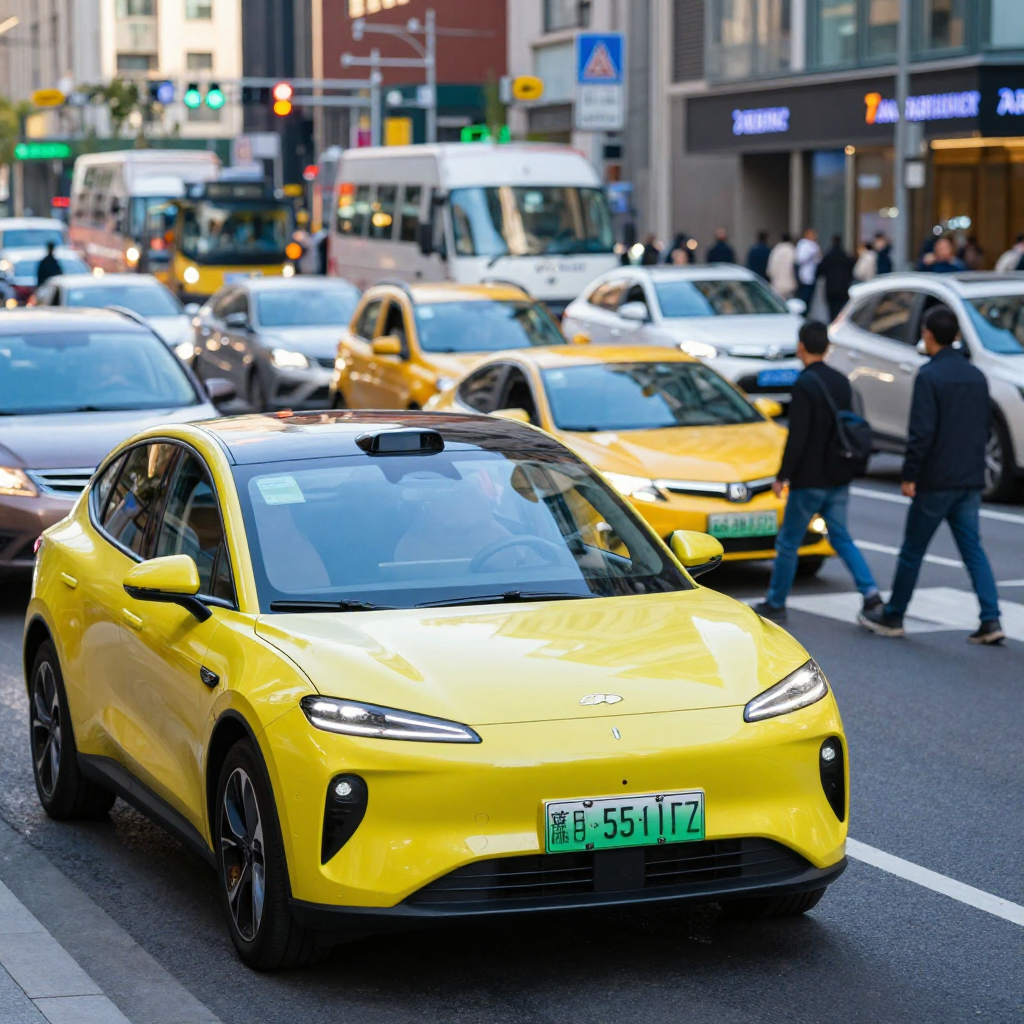
Electric vehicles move quietly. Too quietly, some would say.
At EngineSaga, we’ve spent more than a decade riding electric two-wheelers, testing small EVs, converting ICE machines, and commuting daily through crowded, unpredictable urban streets. If there’s one lesson city riding teaches you early, it’s this:
Silence is an advantage for the rider but a risk in traffic.
EV safety isn’t about speed alone. It’s about awareness, visibility, anticipation, and behavior yours and everyone else’s. In cities filled with distracted drivers, impatient riders, pedestrians stepping off curbs, and vehicles that barely respect lanes, being silent means you must work harder to be seen.
This article isn’t a theory. It’s built from years of near-misses, lessons learned the hard way, and habits that quietly kept us safe when noise couldn’t.
Why EV Silence Changes the Urban Safety Equation for Riders in Busy City Traffic
Electric vehicles are redefining how we experience urban mobility. Their smooth acceleration, reduced vibration, and near-silent operation make them ideal for modern city commuting. However, this same silence also introduces a new safety dynamic that many riders underestimate, especially in dense urban environments filled with unpredictable movement.
In traditional traffic systems, internal combustion vehicles naturally create a layer of awareness through sound. Engine noise, gear shifts, and exhaust notes act as informal alerts that help pedestrians, cyclists, and drivers sense nearby vehicles even before they are seen. Over time, people have developed a habit of relying on these audio cues as part of their everyday road awareness.
With electric vehicles, that layer of communication is significantly reduced. At lower speeds where most urban riding happens, EVs can move almost silently through traffic. While this is beneficial for reducing noise pollution, it also means that pedestrians and drivers may not realize an EV is approaching until it is very close.
This shift changes the entire safety equation. Instead of being passively noticed through sound, EV riders must take a more active role in ensuring they are seen .
Similarly, drivers making turns or merging into traffic may rely on a quick auditory check before visually confirming their path. Without engine noise, an approaching EV can easily be overlooked, increasing the chances of sudden conflicts at intersections or lane changes.
This is why understanding how to stay visible on electric vehicles in busy urban streets has become essential for modern commuters. Riders need to think beyond basic traffic rules and adopt habits that actively communicate their presence.
For example, maintaining a consistent lane position, avoiding blind spots, and using lights even during daytime can help increase visibility. Wearing reflective or high-contrast gear also makes a significant difference in how quickly other road users notice an EV rider in complex traffic conditions.
The Most Common Urban EV Safety Misconception Explained Clearly
| Aspect | Common New-Rider Belief | Why This Belief Feels Logical | Urban Reality | What Actually Improves Safety | Real-World City Example | Key Takeaway |
| Riding Slower = Safer | “If I ride slowly, I reduce risk.” | Lower speed sounds safer in theory | Urban traffic flows at mixed, unpredictable speeds | Riding with traffic rhythm is safer than being unusually slow | Crawling in traffic causes cars to overtake closely | Safety comes from predictability, not just low speed |
| Speed vs Predictability | Speed is seen as the main danger | Accidents feel speed-related | Sudden moves and unpredictability cause most near-misses | Holding a steady, expected pace | Maintaining lane speed prevents surprise overtakes | Being expected matters more than being slow |
| Visibility in Traffic | Visibility is often underestimated | Riders assume others will “see them” | Cities are full of visual clutter | Active visibility keeps you noticed | Dark clothing at dusk reduces detection | Seen riders are safer riders |
| Top Speed Focus | Riders worry about going too fast | Speed feels like the main control variable | Most urban crashes occur at moderate speeds | Being noticed early reduces conflict | Cars turning across paths miss low-visibility EVs | Speed rarely causes the first mistake |
| Acceleration Fear | Acceleration is avoided entirely | Power feels risky | Controlled acceleration helps escape danger | Using power to clear intersections | Hesitating at junctions confuses drivers | Acceleration is a tool, not a threat |
| Positioning in Lanes | Riders hug road edges | Staying out of the way feels safer | Edge riding hides EVs in blind spots | Clear lane positioning increases respect | Center-lane riding improves visibility | Road position communicates intent |
| Being Too Polite | Yielding excessively feels safe | Courtesy seems protective | Over-yielding confuses traffic | Assertive, legal positioning | Stopping when you have right-of-way | Predictable riders reduce errors |
| Urban Intersections | Slow approach feels cautious | Intersections feel risky | Hesitation increases conflict windows | Decisive, visible movement | Slow rolling invites risky turns | Confidence reduces chaos |
| Traffic Flow Matching | Staying slow feels controlled | Speed variance feels dangerous | Large speed differences cause danger | Matching surrounding flow when safe | Riding far below flow triggers overtakes | Blend in, don’t disappear |
| Rider Visibility Gear | Gear is secondary to speed | Focus stays on riding style | Gear affects detection distance | Reflective elements and lighting | Reflective tape spotted earlier | Visibility buys reaction time |
| Silent EV Effect | Quietness feels peaceful | Noise seen as irrelevant | Silence reduces detection by others | Visual presence compensates for silence | Pedestrians step out unexpectedly | Silent vehicles must be seen |
| Urban Night Riding | Slow night riding feels safest | Reduced speed seems logical | Low visibility amplifies risk | Lighting and position matter most | Weak headlights limit reaction time | Light matters more than speed |
| Predictable Line Choice | Weaving feels cautious | Avoiding obstacles seems safer | Erratic paths confuse drivers | Smooth, straight lines | Swerving around potholes suddenly | Straight lines build trust |
| Rider Confidence | Confidence is mistaken for risk | Confidence seems reckless | Calm confidence signals intent | Clear body language | Hesitation causes misjudgment | Confidence improves communication |
| Safety Priority Shift | Speed control is everything | Easy to measure speed | Cities are complex systems | Visibility + predictability | Clear signals reduce surprises | Urban safety is multi-dimensional |
| Final Reality Check | Slow riding equals safety | Simplistic assumption | Invisible slowness increases danger | Be seen, be predictable | Visible riders get space |
Lane Positioning for EV Riders: Your First Line of Defense on Busy Urban Streets
For electric scooter, e-bike, and compact EV riders, lane positioning is not just a riding choice it is a critical safety strategy. In busy urban traffic, where vehicles move quickly and attention is divided, where you ride often determines whether other road users notice you in time.
Because electric vehicles are quieter and less noticeable than traditional vehicles, poor positioning can make riders effectively invisible. Many new EV commuters focus heavily on speed control and balance, but overlook one of the most important aspects of electric vehicle safety in city traffic: strategic road positioning.
Why Lane Positioning Matters More for Silent EVs
In conventional traffic, engine noise helps others detect a vehicle’s presence. EV riders do not have that advantage. This makes staying visible on electric vehicles in busy urban streets heavily dependent on lane placement.
Read More On: One Year Later: How Proper Battery Habits Changed Our EV’s Real-World Range
Riding too far to the edge, drifting between lanes, or sitting in blind spots reduces the chances of being seen by drivers. In contrast, a well-positioned rider becomes easier to track, predict, and avoid.
Safer Lane Positioning Principles for EV Commuters
To improve safety, EV riders should adopt positioning habits that prioritize visibility and predictability over politeness.
One of the most effective strategies is to stay where vehicle mirrors can clearly catch you. Riding slightly toward the center of the lane often places you directly within a driver’s mirror line, making your presence obvious.
It is also important to avoid riding alongside large vehicles for extended periods. If you find yourself next to a truck or bus, either pass quickly and safely or fall back to a position where the driver can see you.
Another key principle is learning when to confidently claim your space on the road. In narrow lanes where safe overtaking is not possible, maintaining a steady and visible lane position discourages dangerous close passes. While this may feel uncomfortable at first, it actually promotes safer behavior from surrounding traffic.
In Intersections and Urban Hotspots: Managing High-Risk Situations for Silent EV Riders
In busy city environments, intersections, junctions, turns, and merging lanes are the most dangerous zones for electric vehicle riders. These are the points where traffic flows intersect, decisions happen quickly, and mistakes are most likely. For riders of electric scooters, e-bikes, and compact EVs, the risk becomes even higher because their vehicles operate quietly and can go unnoticed in complex traffic situations.
Real-world riding patterns show that many urban EV safety incidents occur at intersections. The reason is simple: these areas demand constant communication between drivers, pedestrians, and riders but silent electric vehicles reduce one of the key communication signals sound.
Why Intersections Are More Dangerous for Electric Vehicles
In traditional traffic, drivers often rely on a mix of sight and sound. Many people subconsciously listen before they look, especially when approaching a turn or entering a junction. Without engine noise, an approaching EV may not trigger that early awareness.
At the same time, pedestrians frequently assume that silence means safety. In crowded streets, a person crossing the road may not check thoroughly if they do not hear any approaching vehicle. This creates a situation where EV riders must take extra responsibility for visibility and anticipation.
That is why one of the most important habits is to approach every intersection with a simple assumption:
act as if no one has noticed you yet.
This mindset encourages slower approach speeds, better scanning, and quicker reaction times key elements of defensive riding techniques for electric vehicle commuters.
Using Horns, Bells, and Audible Alerts Effectively
Although EVs are quiet, sound still plays a role it just needs to be used differently. Instead of reacting at the last moment, riders should use horns or bells as early communication tools.
A short, controlled alert can signal your presence to pedestrians or nearby drivers without causing panic. The key is timing and intent. Using sound early allows others to adjust smoothly, while aggressive or late use can startle people and create confusion.
In urban traffic, audible alerts should communicate awareness, not frustration.
Lighting and Visibility: Staying Seen in All Conditions
One of the most effective ways to improve electric vehicle visibility in city traffic is through proper lighting. Many riders associate lights with nighttime riding, but in reality, visibility matters just as much during the day.
Using daytime running lights, reflective elements, and properly aligned headlights makes it easier for others to notice you in complex visual environments. Urban streets are filled with visual distractions signboards, parked cars, shadows and a well-lit EV stands out more clearly.
Simply put, a visible EV is a safer EV, regardless of the time of day.
Clothing and Gear: Communicating Your Presence
Safety gear is not only about protection it also acts as a communication tool. Wearing bright or contrasting colors helps you stand out against the background of urban streets.
Reflective strips and clear outlines improve recognition, especially in low-light conditions or during early mornings and evenings. On the other hand, dark or neutral clothing may look stylish but can blend into shadows, reducing your visibility.
For riders looking to improve urban EV commuting safety, clothing choices play a surprisingly important role.
Speed Management: Matching the Flow of City Traffic
In congested streets, danger is not always about high speed it is often about speed difference. Riding significantly faster than surrounding traffic can reduce reaction time, while riding much slower can make your movements unpredictable.
The safest approach is to match the general flow of traffic when possible, and adjust deliberately when conditions change. Controlled speed helps maintain predictability, which is essential for safe interaction with other road users.
Using EV Acceleration Responsibly
Electric vehicles are known for their instant torque, which can be both an advantage and a risk. Quick acceleration can help riders move out of blind spots or avoid potential hazards. However, sudden or aggressive acceleration can confuse nearby drivers and pedestrians.
Smooth, controlled acceleration communicates clear intent and keeps your movements predictable. Understanding how to safely use EV acceleration in city traffic is key to maintaining control and awareness.
Night Riding: When Silence Feels Louder
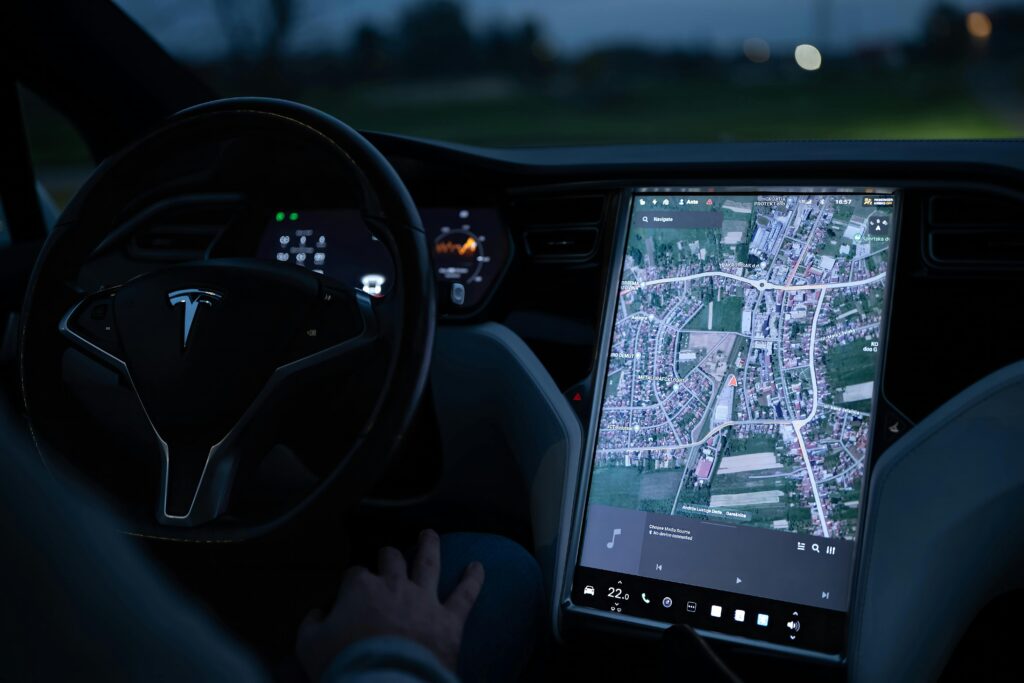
In busy city environments, reduced visibility is one of the biggest hidden risks for electric vehicle riders. Whether it’s due to low light, weather conditions, traffic congestion, or visual clutter, the moment visibility drops, the chances of misjudgment by drivers, pedestrians, and even riders themselves increase significantly.
For electric scooters, e-bikes, and compact EVs, this challenge becomes more critical because of their naturally quiet operation. Without the support of engine noise, electric vehicle visibility in city traffic depends almost entirely on being seen rather than being heard.
Why Low Visibility Creates More Risk for EV Riders
Urban streets are full of distractions headlights, shop signs, moving vehicles, shadows, and unpredictable pedestrian movement. In such environments, drivers often rely on quick visual cues to make decisions. When those cues are unclear or delayed, judgment errors become more frequent.
For example, a driver may misjudge the speed or distance of an approaching EV simply because they noticed it too late. Similarly, pedestrians may step into the road assuming it is safe, especially if they do not see or hear any vehicle approaching.
This is where silent EV safety challenges in urban streets become more evident. The absence of sound removes an important layer of early warning, making delayed visibility more dangerous than it would be with traditional vehicles.
How Judgment Errors Affect Urban EV Safety
When visibility is limited, road users rely more on assumptions than clear observation. This leads to common errors such as:
- Drivers turning without fully checking for smaller vehicles
- Misjudging the speed of an EV due to its silent approach
- Pedestrians crossing suddenly without awareness
- Riders underestimating how visible they are to others
These small miscalculations can quickly turn into dangerous situations, especially in fast-moving or congested traffic.
Final Thoughts from EngineSaga: Riding Smart in a Silent EV World
Electric vehicles don’t announce themselves especially in dense urban environments where noise often acts as a warning signal. That silence is an advantage, but it also shifts more responsibility onto the rider. At EngineSaga, we’ve seen that safe and confident urban EV riding isn’t about being louder or faster; it’s about being more intentional.
Visibility, Positioning, and Awareness Define Urban Safety
In city traffic, being seen matters more than being slow. Smart positioning within your lane, predictable movement, and clear road presence do more for safety than cautious hesitation. Visibility isn’t just about lights or gear it’s about how early others can recognize your intent.
Riders who thrive in urban environments develop a rhythm. They move with traffic, not against it. They avoid blind spots, maintain consistent lines, and use smooth inputs instead of reactive riding. This approach reduces confusion for other road users and creates space naturally.
Awareness also plays a major role. Reading traffic patterns, anticipating sudden moves, and understanding how drivers behave in crowded conditions allows EV riders to stay one step ahead without stress or overreaction.
Silence Is Responsibility, Not a Limitation
The quiet nature of EVs doesn’t make them weak it makes them dependent on rider awareness. Unlike traditional vehicles, you can’t rely on sound to signal your presence. That’s why intentional riding becomes essential.
The most effective mindset is simple: ride as if others might not notice you but act in ways that make your presence obvious. This balance builds confidence without aggression.
Over time, this approach becomes second nature. You stop thinking about safety as a separate task. It becomes part of how you ride.
Because in the end, urban EV riding isn’t about proving a point it’s about moving through the city smoothly, safely, and with control.
Ride like you’re unseen, and you’ll stay seen
Frequently Asked Questions (FAQs)
Why is visibility more important than speed for EV safety in city traffic?
In busy urban streets, most risks come from being unnoticed, not from moving fast. EVs are quieter, so drivers and pedestrians rely more on visual cues. Clear positioning, lighting, and predictable movement help others recognize you earlier and react safely
How can EV riders improve visibility during daily urban commuting?
Improving visibility goes beyond headlights. Riders should use reflective gear, maintain proper lane positioning, avoid blind spots, and ride in consistent lines. Small changes like better mirrors and brighter rear lighting significantly increase detection distance in traffic
Is riding slowly always safer for electric vehicles in cities?
Not necessarily. Riding significantly slower than traffic can create unsafe overtaking situations. Safety comes from matching traffic flow when possible, maintaining predictability, and avoiding sudden decisions rather than simply reducing speed at all times.
What are the most common urban safety mistakes new EV riders make?
New riders often hug the road edge, hesitate at intersections, and over-focus on battery instead of surroundings. These habits reduce visibility and create confusion. Urban safety improves when riders prioritize awareness, positioning, and consistent riding behavior.
How does silent operation affect EV safety in crowded areas?
Silent operation means others may not hear you approaching, especially pedestrians and cyclists. This makes visual communication critical. Using lights, maintaining clear road presence, and anticipating movement in crowded zones helps compensate for the lack of sound.
You might also like the following…
- 5 Proven Benefits of Electric Car Brake Service
 Electric car brake service is an important part of maintaining an electric vehicle, even though EVs often need brake pad replacements less frequently than gasoline-powered cars. Thanks to regenerative braking, electric cars can reduce friction-brake… Read more: 5 Proven Benefits of Electric Car Brake Service
 - 10 Essential Tips to Inspect Before a Long EV Road Trip Safely
 Planning a long electric vehicle road trip involves more than charging the battery to 100% and entering a destination into your navigation system. Before leaving home, it is worth checking your tires, brakes, charging equipment,… Read more: 10 Essential Tips to Inspect Before a Long EV Road Trip Safely
 - How to Avoid Wasting Money on Trendy EV Add-Ons
 How to Avoid Wasting Money on Trendy EV Add-Ons is becoming an important question for EV owners. Once you buy an electric vehicle, it is surprisingly easy to keep spending money on products that promise… Read more: How to Avoid Wasting Money on Trendy EV Add-Ons