
The first day with an electric vehicle feels different.
The silence. The instant pull. The feeling that you’ve stepped into the future. For most urban riders, those early weeks are filled with excitement, curiosity, and constant checking of range percentages.
But here’s something we’ve learned at Engine Saga after over 10 years of urban EV ownership, daily commuting, testing, and conversions:
The real EV experience doesn’t begin on day one. It begins after about 90 days…
That’s when habits settle, expectations collide with reality, and the honeymoon phase quietly gives way to understanding.
In this blog, we’ll talk about the transition that genuinely changes after the first three months of living with an EV in a busy city. Not what brochures promise, but what everyday ownership teaches you. So, let’s stay with us!
The First 30 Days of Urban EV Ownership: Excitement, Curiosity, and Constant Monitoring
The first 30 days of urban EV ownership rarely look calm or routine. Instead, they’re defined by heightened awareness, constant monitoring, and a strong desire to “do everything right.” For most new riders, this phase blends excitement with uncertainty, especially when transitioning from traditional fuel vehicles to electric mobility.
If you’ve recently bought your first electric vehicle for city commuting, chances are your behavior has already changed in noticeable ways.
Why New EV Owners Monitor Everything in the First Month
During the first month, riders tend to:
- Check battery percentage obsessively, sometimes every few minutes
- Calculate the remaining range after short rides
- Monitor charging time more than necessary
- Pay attention to every dashboard notification
- Compare real-world range to claimed range figures
This reaction is completely natural.
When someone searches for “how to maintain EV battery health in city driving” or “how long does an EV battery last in a daily urban commute”, what they’re really looking for is reassurance. The unfamiliarity of battery-based mobility creates a temporary sense of fragility.
But here’s the reality: modern EVs are engineered for daily variability. Minor fluctuations in range, regenerative braking behavior, or power delivery are normal, especially in stop-and-go city traffic.
The first 30 days are less about performance testing and more about understanding how electric vehicles behave in real-world urban conditions.
Overestimating Fragility: The Urban EV Anxiety Phase
One of the most common patterns we observe in new owners is overprotection.
In the early weeks, many riders:
- Avoid accelerating even when traffic flow requires it
- Hesitate to use regenerative braking properly
- Worry about charging “too often.”
- Fear that one deep discharge will permanently damage the battery
This mindset often stems from reading fragmented online advice without context. Queries like “is fast charging bad for EV battery” or “should I always charge my EV to 100%” lead to mixed answers that increase confusion.
The result? Over-cautious riding.
Ironically, this can create its own set of problems. Riding far below traffic speed, for example, may reduce efficiency inconsistently and even impact safety in dense urban environments.
The first month teaches a crucial lesson: EVs are robust transportation machines, not delicate electronics.
Every Ride Feels Like a Test Run
During the early phase, every commute feels experimental.
You might:
- Compare different routes to measure efficiency
- Track battery drop per kilometer
- Analyze the regenerative braking impact
- Time charging sessions precisely
This behavior isn’t excessive. It’s educational.
The first 30 days serve as a hands-on crash course in how EV batteries perform in real urban traffic conditions. Instead of relying on manufacturer claims, you begin building personal data.
Gradually, anxiety shifts into understanding.
The Real Problem: Mental Load, Not Mechanical Risk
What many new urban EV owners don’t realize is that the challenge in the first 30 days isn’t technical, it’s psychological.
The constant monitoring creates mental fatigue:
- Watching the battery percentage instead of enjoying the ride
- Planning charging stops too conservatively
- Second-guessing normal system behavior
But here’s the turning point: by the end of the first month, confidence starts replacing caution.
You stop asking, “Will this battery last today?”
And start thinking, “I know exactly how this EV behaves in my city.”
The First 30 Days Are a Learning Phase – Not a Performance Phase
It’s important to understand that this period is not about optimizing everything. It’s about observation.
Urban EV ownership changes gradually:
- Charging becomes routine instead of strategic
- Range estimation becomes intuitive
- Dashboard alerts lose their intimidation
- Efficiency improves naturally through smoother riding
The early obsession with numbers fades once real-world patterns become clear.
And that’s the hidden value of the first 30 days, they convert uncertainty into familiarity.
By the time you cross that one-month mark, you’re no longer “testing” your EV.
You’re simply riding it.
Expectations vs Reality in Urban EV Ownership: Where the Gap First Appears
One of the biggest mindset shifts in the first 90 days of urban EV ownership happens when expectations meet real-world city use.
Before buying an electric vehicle, most expectations are shaped by clean numbers, controlled reviews, and ideal test conditions. But once the EV enters daily urban life, a new set of variables begins to influence performance.
The gap doesn’t appear because EVs underperform.
It appears that urban mobility is unpredictable, and specification sheets cannot simulate real human behavior, dense traffic flow, inconsistent charging access, or shifting weather conditions.
As per the Engine Saga experiences throughout the past years, we have broken this down into a comparison style for you.
Urban EV Expectations vs Real-World Reality (First 90 Days)
| Area of Expectation | What Buyers Expect Before Purchase | Understand your personal average range, not the brochure range | Urban Reality After 30–90 Days | Why the Gap Happens | Problem-Solving Insight for City EV Owners |
|---|---|---|---|---|---|
| Advertised Range Figures | The EV will consistently deliver the claimed range | Buyers search: “EV range per charge,” “best electric vehicle for city commute” | Real-world range fluctuates daily | Manufacturer tests occur in controlled environments | Acceleration, regenerative braking, and AC usage affect efficiency |
| Battery Percentage Stability | Battery drop should be linear and predictable | Searches: “honest EV review,” “EV ownership pros and cons.” | Urban stop-and-go traffic causes variable consumption | Queries like “Why is the EV battery dropping fast?” | Track energy use patterns over a week, not per ride |
| Online Reviews & Influencer Tests | Reviews reflect daily ownership experience | Searches: “honest EV review,” “EV ownership pros and cons” | Reviews often reflect short-term testing | Reviewers don’t experience your city’s traffic ecosystem | Prioritize local usage patterns over global reviews |
| Short Test Rides | A 15–20 minute ride reflects full ownership experience | Pre-purchase demos influence perception | Test rides rarely include peak traffic or bad weather | Limited exposure to charging routine and congestion | True understanding comes after repetitive daily use |
| Traffic Conditions | Traffic won’t drastically impact efficiency | Many first-time buyers overlook this factor | Congestion, signals, and unpredictable flow affect consumption | Urban traffic creates constant micro-accelerations | Smooth throttle control reduces unexpected battery drain |
| Weather Impact on EV Range | Weather has minimal influence | Buyers rarely search “EV range in hot weather city” before purchase | Extreme heat or cold changes battery performance | HVAC usage increases energy draw | Expect seasonal variation and adjust charging habits |
| Charging Access & Convenience | Charging will always be easy and predictable | Searches: “how to charge EV at home,” “public charging availability near me” | Public chargers may be busy or limited | Urban infrastructure varies by area | Build a primary + backup charging plan |
| Human Behavior on Roads | Other drivers will adapt easily | Often underestimated variable | Sudden lane changes, aggressive driving impact safety and efficiency | Urban roads are socially dynamic systems | Predictability and positioning improve safety |
| Energy Consumption Anxiety | Minor range fluctuation signals battery issue | Common search: “EV battery degradation early signs” | Small variations are normal | Real-world driving isn’t laboratory-controlled | Evaluate long-term trends, not daily swings |
| Ownership Simplicity | EV ownership is fully automated | Marketing highlights convenience | Learning curve exists in first 60 days | Habit formation takes time | First 30–90 days are adaptation phase |
Why the Expectation Gap Feels Bigger Than It Actually Is
For many new urban EV owners, the perception of underperformance comes from comparing real-world city driving to laboratory-optimized range testing.
But urban EV ownership introduces factors that spec sheets cannot capture:
- Irregular traffic density
- Varying road surfaces
- Elevation changes
- Frequent short trips
- Climate control demands
- Charging availability patterns
Search trends show increasing queries such as:
- “Real-world EV range vs advertised range”
- “How traffic affects electric vehicle battery life.”
- “Why does my EV range change daily?”
These questions highlight the moment when expectation meets reality.
The Key Realization After 90 Days
The gap narrows once riders stop comparing numbers and start understanding patterns.
Urban EV performance becomes predictable when:
- You know your average daily commute energy usage
- You understand how the weather influences efficiency
- You plan to charge around the routine rather than fear
- You ride with traffic rhythm instead of against it
The expectation vs reality gap is not a failure of the EV.
It’s the moment urban variables enter the equation.
And once those variables are understood, the anxiety fades, replaced by informed, confident ownership.
Battery Health Becomes a Long-Term Concept
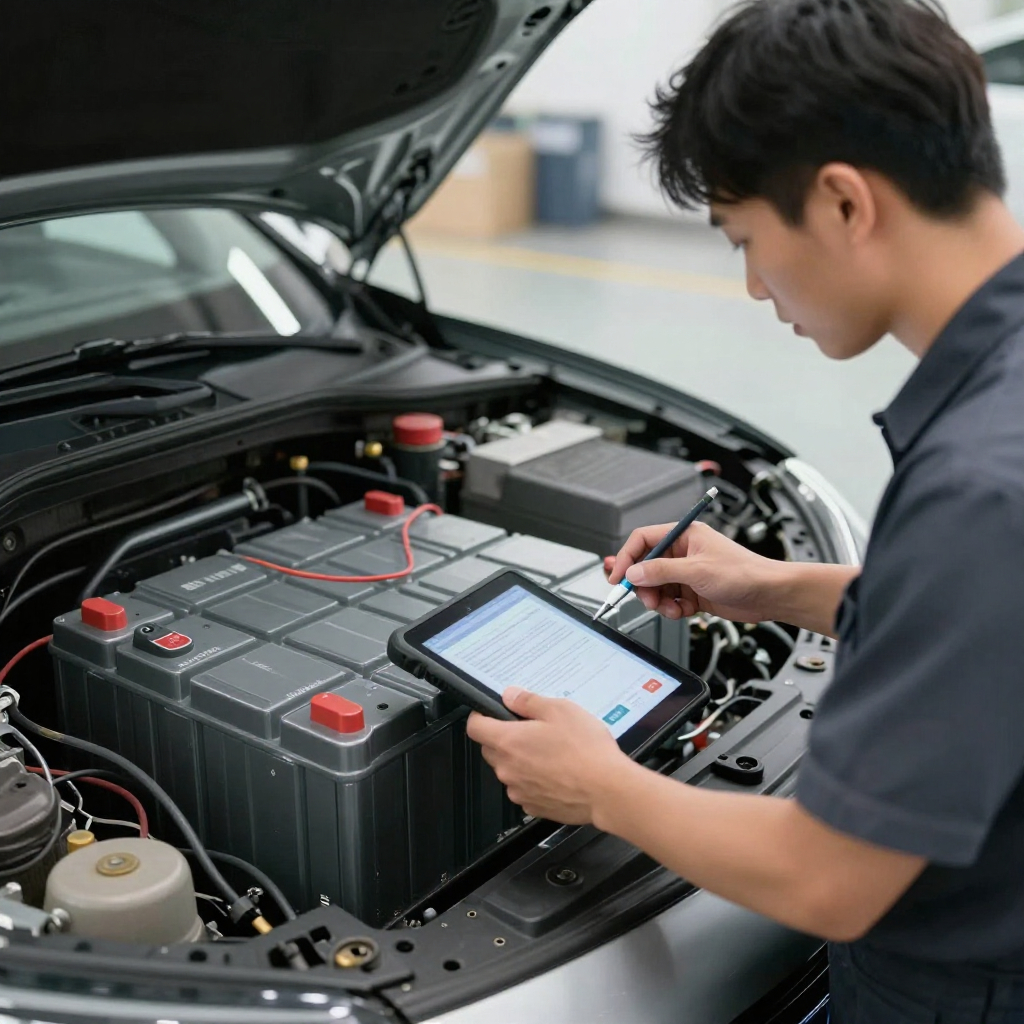
In the early weeks of urban EV ownership, battery health feels urgent and fragile. New riders constantly search things like “how to maintain EV battery life” or “is my EV battery degrading fast?” Every percentage drop feels personal. But after consistent city use, something shifts, battery health stops being a daily worry, and becomes a long-term concept.
Real-world urban commuting teaches an important lesson: EV battery degradation doesn’t happen overnight. It’s gradual, pattern-based, and heavily influenced by long-term charging habits rather than one imperfect ride. Owners begin to understand that occasional fast charging, minor range fluctuations, or a single deep discharge won’t ruin the battery.
Instead of obsessing over daily numbers, experienced riders focus on sustainable habits, moderate charging levels, smooth riding, and temperature awareness. Confidence replaces anxiety. Battery health becomes less about fear and more about consistency.
Real Ownership Clarity: Honest Cost Savings and Everyday Normalization
In the beginning, EV savings feel theoretical, calculated through comparison charts, fuel price assumptions, and optimistic projections. But after 90 days of real urban commuting, the numbers stop being estimates and start becoming a lived experience. Energy costs stabilize. Charging patterns become predictable.
Maintenance savings, fewer service visits, and reduced mechanical wear quietly show up. At the same time, hidden expenses like tires, riding gear, or practical accessories become clearer. EV ownership doesn’t eliminate costs; it reshapes them. The spending shifts from fuel dependency to efficiency management.
At the same time, something else changes. The early curiosity from friends, neighbors, and strangers begins to fade. The questions slow down. The explanations become shorter. Eventually, you stop feeling like you’re “testing” something new. The EV becomes just another part of daily mobility. This normalization is powerful. It signals maturity, not just for the owner, but for urban electric mobility itself.
Read More On: Battery Care 101: Small Habits That Preserve Range
The Impulse Phase: Buying Before Knowing
In the first month or two, accessories are often impulse-driven. We install things quickly, sometimes even before the first service or proper range test. The motivation is rarely practical. It is excitement mixed with online influence and showroom energy.
At this stage:
- Mods are chosen based on appearance
- Online recommendations carry more weight than personal need
- Short test rides shape decisions instead of long commutes
- The EV still feels like a “new toy” rather than a daily machine
There is nothing wrong with this phase. In fact, almost every EV owner goes through it. It is part of bonding with a new vehicle. But many early accessories quietly lose relevance once daily routines settle in.
Mods That Solve Real Problems
Experienced ownership highlights friction points that don’t show up in the first few weeks. These are things you only notice after dozens of rides.
Examples include:
- Handlebar position causing wrist fatigue
- Mirrors vibrating too much at cruising speed
- Seat discomfort on longer commutes
- Poor visibility during night or rainy rides
- Storage limitations for daily errands
At this stage, accessories are no longer cosmetic. They are corrective. Each mod exists to remove a specific annoyance that keeps repeating.
This shift is important because problem-solving mods tend to stay on the vehicle long-term. They justify their cost not by looks, but by daily relief.
Practicality Always Wins in the Long Run
Practicality has a quiet way of winning without argument.
After enough daily usage, impractical accessories naturally disappear. They get removed, ignored, or simply stop being used. Meanwhile, practical mods integrate so seamlessly that you forget they were ever upgrades.
These are the accessories that:
- Make riding less tiring
- Improve safety without effort
- Reduce mental load in traffic
- Support real-world usage patterns
Once practicality takes over, accessory decisions slow down. Purchases become fewer but smarter. Each addition earns its place.
What We Consistently Observe at Engine Saga After the First 90 Days
At Engine Saga, we’ve tracked urban EV ownership across different riders, vehicle types, and city conditions. Despite variations in traffic density, charging infrastructure, and riding styles, the patterns are surprisingly consistent.
Anxiety fades.
Habits stabilize.
Satisfaction increases.
In the first month, riders monitor everything. By the third month, they understand their machine. The dashboard stops feeling intimidating. Range becomes predictable. Charging becomes routine rather than strategic.
What separates confident long-term owners from frustrated ones isn’t the model they bought, it’s their mindset. Those who struggle usually resist the learning curve. They chase perfect efficiency numbers, overanalyze minor fluctuations, or compare their real-world experience to idealized online scenarios. Meanwhile, riders who accept the adaptation phase tend to settle into a calmer, more practical ownership rhythm.
Advice for New Urban EV Owners (From Real-World Experience)
If you’re within your first 90 days, focus on understanding, not optimizing.
Don’t chase perfect efficiency at every signal.
Don’t copy internet extremes about charging habits.
Don’t panic over small range variations.
Urban EV ownership is shaped by traffic patterns, weather shifts, and human behavior, variables no specification sheet can predict perfectly. Let your habits develop naturally. Observe how your commute behaves over weeks, not single rides. Smooth inputs, consistent charging routines, and realistic expectations will take you further than obsessive monitoring ever will.
The first 90 days are education, not judgment.
Final Perspective: EV Ownership Is a Process, Not a Performance
Electric vehicles don’t demand perfection. They reward awareness.
After three months of urban riding, most owners reach the same realization: they didn’t buy a fragile experiment. They adopted a quieter, more deliberate way to move through the city. The stress reduces. The rhythm improves. The machine becomes familiar.
And that moment, when curiosity turns into confidence, is when true EV ownership begins!
That’s all for today! If you still have any questions in your mind, feel free to comment down below or email us your issues. We’re happy to help you.
Frequently Asked Questions (FAQs)
How does urban EV ownership feel different after the first 90 days?
After 90 days, urban EV ownership shifts from constant monitoring to confident routine. Battery anxiety reduces, charging becomes predictable, and range expectations align with real commuting patterns. Riders stop testing the vehicle and start trusting it as daily transportation.
Does real-world EV range improve after a few months of city driving?
The vehicle doesn’t change, but the rider does. After three months, smoother throttle control, better route awareness, and smarter charging habits naturally improve efficiency. Real-world urban EV range becomes more consistent because experience reduces unnecessary energy spikes.
Is battery degradation noticeable within the first 90 days of EV ownership?
In normal city use, noticeable battery degradation within 90 days is rare. Minor percentage fluctuations are typically due to temperature, traffic, or riding style. Long-term battery health depends on consistent habits, not isolated charging or driving decisions.
Why do new EV owners experience range anxiety in urban commuting?
Range anxiety often comes from comparing advertised figures to unpredictable city conditions. Traffic congestion, climate control usage, and short trips influence consumption. After repeated commuting cycles, riders understand their realistic daily range, and anxiety gradually fades.
What is the biggest mindset shift after three months of owning an EV in the city?
The biggest shift is moving from perfection-seeking to pattern recognition. Instead of chasing ideal efficiency numbers, experienced urban EV owners focus on sustainable routines, predictable charging, and smooth riding, turning ownership into a calm, reliable system.
You might also like the following…
- Silent but Not Invisible: Staying Safe on EVs in Busy Urban Streets
 Electric vehicles move quietly. Too quietly, some would say. At EngineSaga, we’ve spent more than a decade riding electric two-wheelers, testing small EVs, converting ICE machines, and commuting daily through crowded, unpredictable urban streets. If… Read more: Silent but Not Invisible: Staying Safe on EVs in Busy Urban Streets
 - Urban EV Ownership: What Changes After the First 90 Days
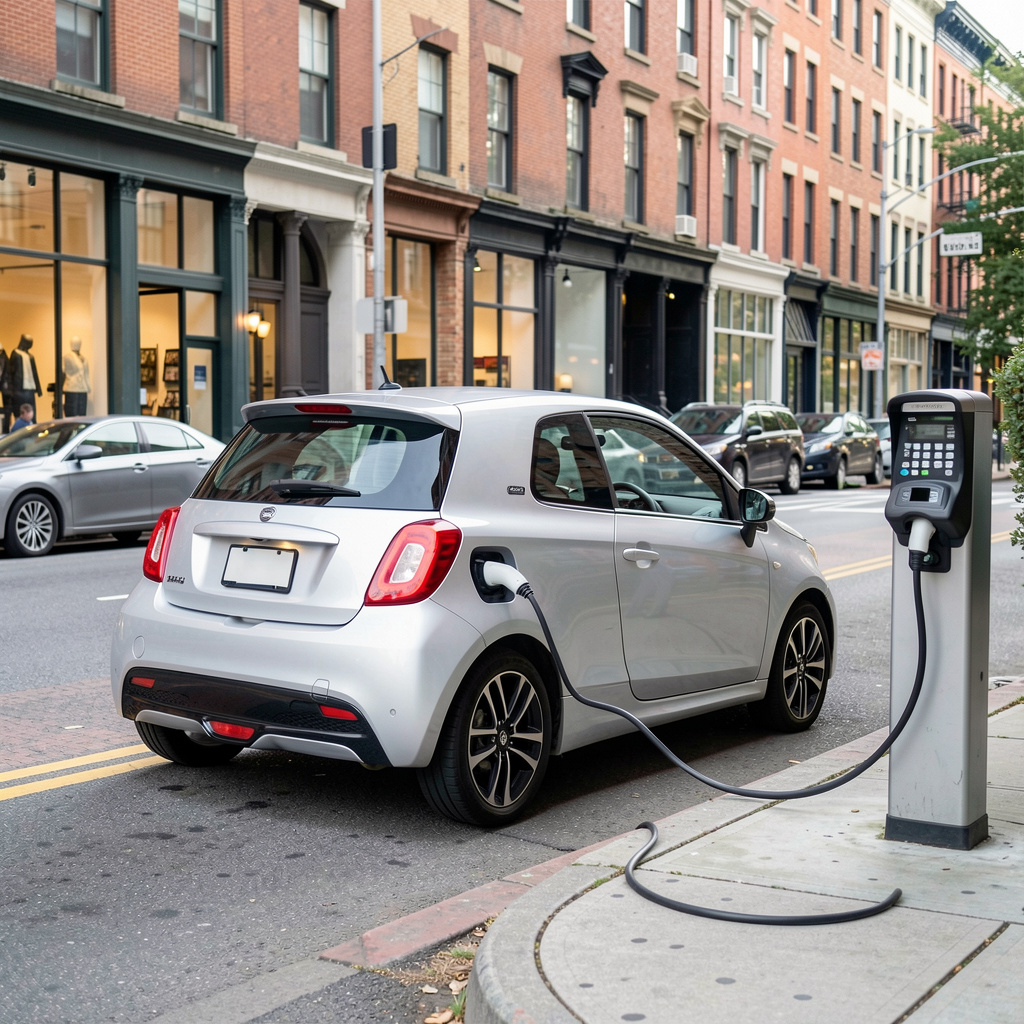 The first day with an electric vehicle feels different. The silence. The instant pull. The feeling that you’ve stepped into the future. For most urban riders, those early weeks are filled with excitement, curiosity, and… Read more: Urban EV Ownership: What Changes After the First 90 Days
 - One Year Later: How Proper Battery Habits Changed Our EV’s Real-World Range
 A Long-Term Ownership Reality Check from Engine Saga Most EV reviews stop too early. They test range when the vehicle is new.They praise efficiency during the honeymoon phase.They publish numbers before habits, weather, and real… Read more: One Year Later: How Proper Battery Habits Changed Our EV’s Real-World Range
Just signed to 68win23, the bonuses seem really good here. Still testing it out, but my initial thoughts are good. See what the fuss is about, maybe you’ll win big.: 68win23