
Introduction
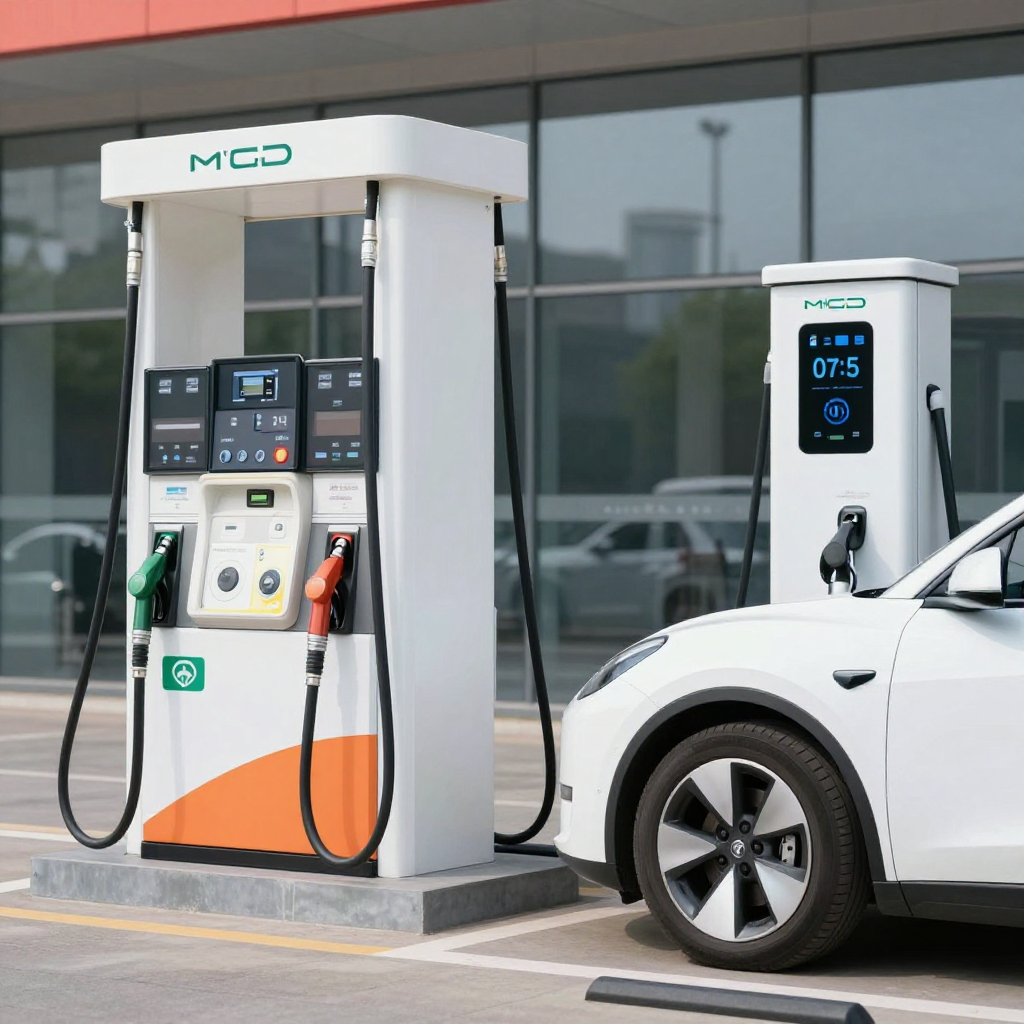
How Much Money Can EV Owners Save on Fuel? It’s one of the most common questions people ask when considering the switch to an electric vehicle. With fuel prices continuing to fluctuate, many drivers are looking for practical ways to reduce their monthly transportation expenses. Whether you commute to work every day, run errands around the city, or enjoy weekend road trips, the cost of filling up a gasoline vehicle can quickly become a significant part of your budget.
This growing concern is one of the primary reasons why more people are exploring electric vehicles (EVs) as a practical and cost-effective alternative.
But one question continues to come up among first-time buyers and even experienced drivers:
How much money can EV owners actually save on fuel?
The answer depends on several factors, including your driving habits, electricity rates, charging methods, and the type of vehicle you own.
However, after years of riding, testing, and comparing electric vehicles across different conditions, our team at Engine Saga has consistently found one common result. EV owners can significantly reduce their monthly transportation costs compared to traditional gasoline-powered vehicles.
The savings aren’t based on marketing claims or laboratory tests. They’re noticeable in everyday commuting, city riding, and long-term ownership.
While an EV may have a higher purchase price initially, the reduced energy cost begins working in your favor from the very first charge.
In this guide, we’ll explain exactly where these savings come from, how to calculate your own potential fuel savings, what factors influence the numbers, and why many EV owners say switching to electric was one of their smartest financial decisions.
Why Fuel Costs Matter More Than Ever
For decades, fuel expenses have been one of the largest ongoing costs of vehicle ownership. Unlike maintenance or insurance, fuel is something drivers pay for continuously.
Every trip to work, grocery store, school, or vacation destination adds another expense.
Gasoline prices also fluctuate throughout the year. Political events, oil production, supply chain disruptions, seasonal demand, and regional taxes all contribute to unpredictable fuel prices.
Electricity, on the other hand, has historically remained much more stable.
This predictability allows EV owners to better estimate their monthly transportation budget instead of worrying about frequent price spikes at gas stations.
After monitoring ownership costs over thousands of miles, we’ve seen that many drivers become more confident in planning their monthly expenses simply because charging costs remain relatively consistent.
Understanding the Difference Between Fuel and Electricity Costs
One of the biggest misconceptions is that charging an EV costs nearly the same as buying gasoline.
In reality, electricity is generally much cheaper per mile traveled.
Instead of purchasing gallons of fuel, EV owners purchase kilowatt-hours (kWh) of electricity.
Think of it this way:
- Gasoline powers an engine through combustion.
- Electricity powers an electric motor through stored battery energy.
Electric motors are remarkably efficient.
While gasoline engines lose a large portion of energy through heat, vibration, and mechanical losses, electric motors convert a much higher percentage of stored energy directly into movement.
That improved efficiency means an EV requires less energy to travel the same distance.
The result is lower operating costs almost every day.
A Simple Cost Comparison
Let’s compare a typical daily commute.
Gasoline Vehicle
- Daily commute: 40 miles
- Fuel economy: 30 MPG
- Gasoline price: $3.80 per gallon
Fuel used:
40 ÷ 30 = 1.33 gallons
Daily fuel cost:
1.33 × $3.80 = $5.05
Monthly cost (22 working days):
Approximately $111
Electric Vehicle
Average efficiency:
3.8 miles per kWh
Daily electricity required:
40 ÷ 3.8 = 10.5 kWh
Electricity rate:
$0.15 per kWh
Charging cost:
10.5 × $0.15 = $1.58
Monthly charging cost:
Around $35
Monthly Savings
Gas vehicle:
$111
EV:
$35
Estimated savings:
Approximately $76 every month
That equals over $900 annually for a relatively modest commute.
Drivers covering longer distances often save considerably more.
Where EV Owners Notice Savings the Most
Fuel savings become even more noticeable depending on how the vehicle is used.
Daily City Commuting
Urban traffic is one of the least efficient environments for gasoline vehicles.
Frequent acceleration, braking, and idling consume extra fuel.
Electric vehicles behave differently.
When stopped at traffic lights, they consume very little energy.
Regenerative braking also recovers some energy during deceleration, improving overall efficiency.
After years of testing city routes, we’ve consistently seen EVs perform exceptionally well in stop-and-go traffic where gasoline vehicles waste fuel.
High-Mileage Drivers
The more you drive, the more fuel you purchase.
Because EV charging remains comparatively inexpensive, drivers covering:
- 15,000 miles annually
- 20,000 miles annually
- 25,000+ miles annually
often experience the greatest financial benefits.
Ride-share drivers, delivery workers, sales representatives, and long-distance commuters frequently recover the purchase price difference much faster through reduced operating costs.
Families with Multiple Vehicles
Many households use one vehicle far more frequently than others.
Replacing the highest-mileage gasoline vehicle with an EV usually produces the largest fuel savings.
We’ve seen many families continue using one gasoline vehicle for occasional road trips while relying on an EV for daily transportation, dramatically reducing overall monthly fuel spending.
Home Charging Creates the Biggest Savings
Charging location has a major influence on operating costs.
Home Charging
Home charging is typically the least expensive option.
Advantages include:
- Lower electricity rates
- Overnight charging
- Convenient daily charging
- Consistent pricing
- No waiting in fuel lines
Many owners simply plug in overnight and wake up with a fully charged vehicle every morning.
This convenience also saves valuable time.
Public Charging
Public charging remains useful for:
- Long-distance travel
- Apartment living
- Emergency charging
- Weekend trips
While DC fast chargers usually cost more than home charging, they often remain competitive compared to gasoline depending on regional pricing.
Drivers who primarily charge at home usually experience the highest long-term fuel savings.
Factors That Influence EV Fuel Savings
Not every driver saves exactly the same amount.
Several important variables affect monthly charging costs.
Local Electricity Rates
Electricity prices differ by location.
Some regions offer exceptionally low residential electricity rates, making EV ownership even more affordable.
Others have higher energy costs, though EVs often remain cheaper to operate than gasoline vehicles.
Many utility companies also provide discounted overnight charging plans specifically for EV owners.
Charging during off-peak hours can noticeably reduce monthly costs.
Gasoline Prices
Fuel savings naturally increase when gasoline becomes more expensive.
If fuel prices rise sharply, EV owners often see even greater financial advantages because electricity prices generally fluctuate less dramatically.
Vehicle Efficiency
Not every EV consumes the same amount of electricity.
Efficiency depends on factors such as:
- Vehicle weight
- Tire design
- Aerodynamics
- Battery technology
- Driving mode
Smaller EVs usually consume less energy than larger electric SUVs or pickup trucks.
Choosing an efficient model can maximize long-term savings.
Driving Style
Aggressive driving increases energy consumption regardless of vehicle type.
Smooth acceleration, maintaining steady speeds, and anticipating traffic improve efficiency.
Our practical riding experience has repeatedly shown that disciplined driving habits can noticeably extend driving range while reducing charging frequency.
Does Fast Charging Reduce Savings?
This is a common concern among prospective buyers.
Fast charging generally costs more than charging at home because you’re paying for convenience and faster charging infrastructure.
However, it doesn’t automatically eliminate fuel savings.
For occasional road trips, the additional expense is relatively small compared to the convenience of quickly continuing your journey.
Drivers who rely exclusively on public DC fast chargers may spend more than those charging at home, but many still find their energy costs competitive with or lower than gasoline expenses, especially when fuel prices are high.
The key is balance. Using home charging for everyday driving and reserving fast charging for longer trips often delivers the best combination of convenience and savings.
Looking Beyond the Fuel Pump
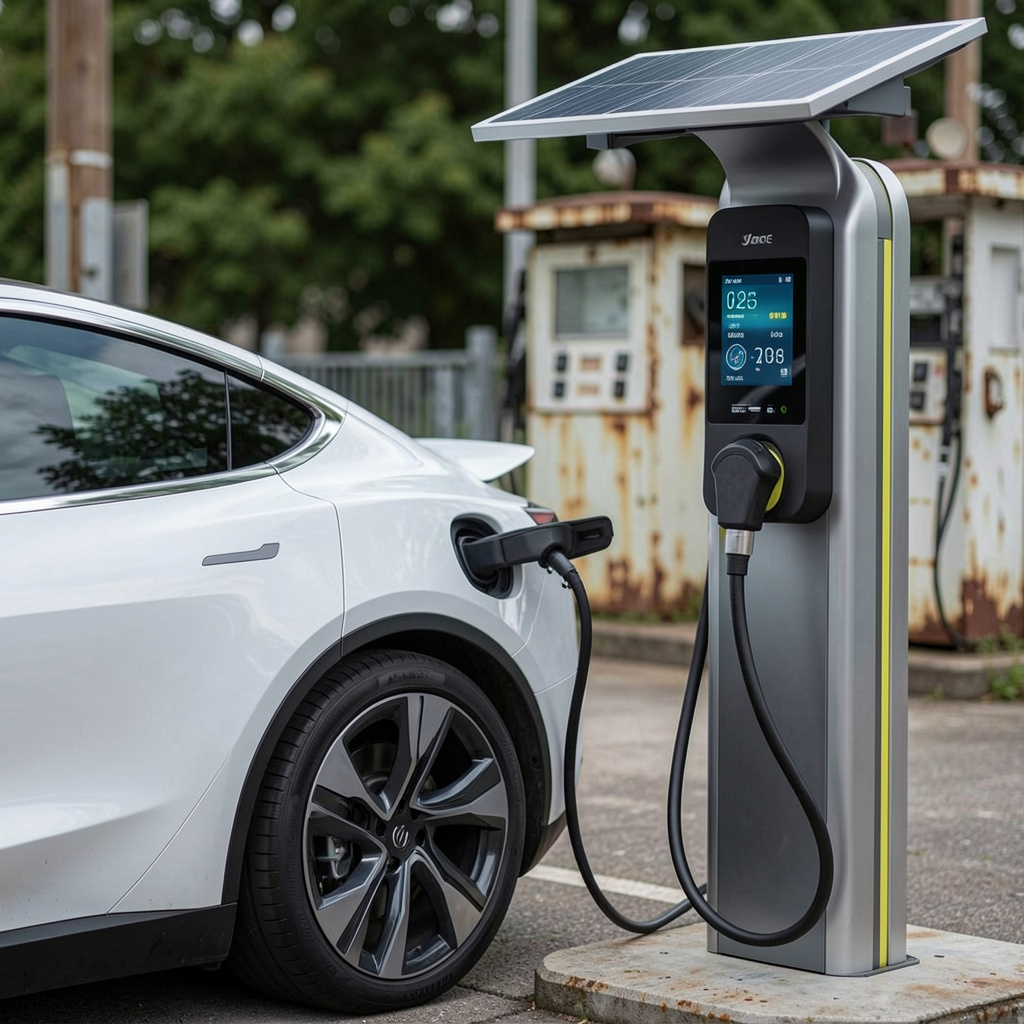
One of the most rewarding aspects of EV ownership is that the savings aren’t limited to what you spend on energy. As months go by, many owners also notice reduced maintenance expenses thanks to fewer moving parts, no oil changes, and less brake wear due to regenerative braking.
When these maintenance savings are combined with lower charging costs, the overall cost of ownership becomes even more attractive.
This is why experienced EV owners often evaluate their vehicles not just by purchase price, but by what they cost to own over several years.
At Engine Saga, we’ve found that the biggest financial advantage comes from viewing an EV as a long-term investment rather than focusing only on its upfront price. For drivers with consistent daily mileage, those savings can accumulate steadily, month after month, making electric mobility both an environmentally responsible and financially rewarding choice.
Long-Term Fuel Savings: What Happens Over Five Years?
One month of lower charging costs is encouraging, but the real financial advantage becomes clear when you look at EV ownership over several years. Small monthly savings gradually add up, helping offset the higher purchase price that some electric vehicles carry.
Let’s look at a practical example.
Imagine a driver who travels approximately 15,000 miles (24,000 km) each year.
Gasoline Vehicle
- Average fuel economy: 30 MPG
- Average fuel price: $3.80 per gallon
- Annual fuel cost: Approximately $1,900
Electric Vehicle
- Average efficiency: 3.8 miles per kWh
- Electricity cost: $0.15 per kWh
- Annual charging cost: Approximately $600
Estimated Annual Savings
Around $1,300
Five-Year Fuel Savings
Over five years, that driver could save approximately:
$6,500 or more on energy costs alone.
If gasoline prices increase during those years, the savings become even greater. Likewise, drivers covering 20,000 miles or more annually often recover several thousand additional dollars simply through lower charging costs.
At Engine Saga, we always encourage readers to evaluate the total cost of ownership, not just the purchase price. Fuel savings continue every time you drive, making them one of the most consistent financial advantages of owning an EV.
Additional Financial Benefits Beyond Fuel Savings
Fuel is only one part of the ownership equation. Electric vehicles also help reduce several everyday expenses that gasoline vehicle owners regularly face.
Reduced Routine Maintenance
Electric vehicles don’t require many of the services associated with internal combustion engines, such as:
- Engine oil changes
- Oil filters
- Spark plug replacement
- Timing belt maintenance
- Fuel filter replacement
- Exhaust system repairs
- Many engine-related fluid services
With fewer mechanical components, EVs generally require less routine maintenance, reducing long-term ownership costs.
Longer Brake Life
One of the most overlooked advantages is regenerative braking.
Instead of relying solely on friction brakes, EVs use the electric motor to slow the vehicle while recovering energy back into the battery.
As a result:
- Brake pads last longer.
- Brake discs experience less wear.
- Maintenance intervals are often extended.
Many EV owners are pleasantly surprised by how infrequently they need brake service compared to conventional vehicles.
Reduced Idle Losses
Gasoline engines consume fuel even when the vehicle isn’t moving. Waiting at traffic lights, sitting in traffic, or warming up the engine all use fuel without covering any distance.
Electric vehicles don’t face the same issue. When stopped, they use very little energy, making them particularly efficient in urban traffic and reducing unnecessary energy waste.
Common Myths About EV Fuel Savings
Despite the growing popularity of electric vehicles, several misconceptions still discourage potential buyers. Let’s address a few of the most common ones.
Myth 1: Charging Costs the Same as Filling a Gas Tank
This is rarely true.
Home charging is generally much less expensive than purchasing gasoline for an equivalent distance. While public fast chargers can cost more than residential electricity, many drivers still spend less overall on energy than they would with gasoline.
Myth 2: EV Savings Only Matter for High-Mileage Drivers
Although drivers who travel more often see larger savings, even moderate commuters can benefit from lower charging costs over time. Daily commuting, school runs, shopping trips, and weekend travel all contribute to meaningful annual savings.
Myth 3: Electricity Prices Make EVs Too Expensive
Electricity prices vary by region, but EVs are significantly more energy-efficient than gasoline vehicles. Because they convert more stored energy into movement, they often remain less expensive to operate even when electricity rates increase.
Myth 4: Fuel Savings Disappear During Winter
Cold weather can reduce driving range, but it doesn’t eliminate the cost advantage of electric vehicles. While winter conditions may require more energy, charging an EV generally remains more affordable than buying gasoline for comparable travel distances.
Tips to Maximize Your EV Fuel Savings
Based on our practical riding experience at Engine Saga, these habits consistently help owners reduce charging costs and improve overall efficiency.
Charge Primarily at Home
Whenever possible, rely on residential charging instead of public fast chargers for everyday driving. Home electricity rates are usually lower, making this the most economical charging option.
Use Off-Peak Electricity
Many utility providers offer reduced rates during nighttime hours. Scheduling overnight charging can lower monthly electricity bills without changing your routine.
Drive Smoothly
Avoid rapid acceleration and harsh braking. Gentle driving improves efficiency, extends driving range, and reduces energy consumption over time.
Maintain Proper Tire Pressure
Underinflated tires increase rolling resistance, forcing the vehicle to use more energy. Checking tire pressure regularly helps maximize efficiency.
Reduce Unnecessary Weight
Carrying heavy cargo every day increases energy consumption. Removing unused items from the vehicle can improve overall efficiency, especially during city driving.
Plan Longer Trips
Using route planning tools to identify charging stops, avoid congestion, and maintain steady highway speeds helps optimize energy use and reduces charging frequency.
Is an EV Worth It Purely for Fuel Savings?
The answer depends on your driving habits, but for many drivers, the answer is yes.
If you:
- Commute daily,
- Drive more than 10,000-12,000 miles each year,
- Have access to home charging,
- Live in an area with reasonable electricity rates,
then fuel savings alone can make EV ownership financially attractive over time.
However, the greatest value comes from combining fuel savings with lower maintenance costs, quieter driving, improved efficiency, and a more predictable transportation budget.
Final Thoughts
One of the biggest lessons we’ve learned after years of testing electric vehicles at Engine Saga is that the financial benefits of EV ownership are often underestimated.
Many people focus on the purchase price, but the real story unfolds over months and years of daily driving.
Every home charge replaces another visit to the gas station. Every commute completed with electricity instead of gasoline contributes to long-term savings. Combined with lower maintenance requirements and improved energy efficiency, these advantages create a compelling case for drivers who want to reduce transportation costs without sacrificing practicality.
While every driver’s situation is unique, one conclusion remains consistent: for most commuters, switching to an electric vehicle can lead to substantial fuel savings over the life of the vehicle.
By understanding your driving habits, charging primarily at home, and adopting efficient driving practices, you can maximize those savings and enjoy a more economical ownership experience.
If you’re considering making the switch, calculate your annual mileage, compare your current fuel expenses with estimated charging costs, and look beyond the next fuel bill. The numbers may surprise you and they could make your next vehicle your most cost-effective one yet.
Frequently Asked Questions (FAQs)
1. How much money can EV owners realistically save on fuel every year?
The exact amount depends on annual mileage, local electricity rates, and gasoline prices. However, many drivers who travel between 12,000 and 15,000 miles each year can save hundreds to well over a thousand dollars annually by charging an electric vehicle instead of regularly purchasing gasoline.
2. Is charging an electric vehicle at home always cheaper than using public charging stations?
In most cases, yes. Home charging typically offers the lowest cost because residential electricity rates are usually lower than public DC fast charging prices. Charging overnight during off-peak hours can further reduce electricity costs and maximize long-term savings.
3. Do electric SUVs save as much money on fuel as smaller electric cars?
Electric SUVs generally consume more electricity because they are heavier and larger than compact EVs. However, they are still much more energy-efficient than comparable gasoline SUVs, allowing owners to enjoy meaningful fuel savings despite their higher energy consumption.
4. How does driving style affect the amount of money an EV owner saves?
Driving habits play a significant role in energy efficiency. Smooth acceleration, maintaining steady speeds, anticipating traffic, and using regenerative braking effectively reduce electricity consumption, helping owners travel farther on each charge and lowering their overall charging costs.
5. Can fuel savings alone justify switching from a gasoline vehicle to an EV?
For many drivers, fuel savings are a major financial advantage, but they are only one part of the ownership experience. When combined with lower maintenance costs, fewer mechanical repairs, quieter operation, and improved efficiency, EV ownership often provides greater long-term value than fuel savings alone.
You might also like the following…
- 5 Proven Benefits of Electric Car Brake Service
 Electric car brake service is an important part of maintaining an electric vehicle, even though EVs often need brake pad replacements less frequently than gasoline-powered cars. Thanks to regenerative braking, electric cars can reduce friction-brake… Read more: 5 Proven Benefits of Electric Car Brake Service
 - 10 Essential Tips to Inspect Before a Long EV Road Trip Safely
 Planning a long electric vehicle road trip involves more than charging the battery to 100% and entering a destination into your navigation system. Before leaving home, it is worth checking your tires, brakes, charging equipment,… Read more: 10 Essential Tips to Inspect Before a Long EV Road Trip Safely
 - How to Avoid Wasting Money on Trendy EV Add-Ons
 How to Avoid Wasting Money on Trendy EV Add-Ons is becoming an important question for EV owners. Once you buy an electric vehicle, it is surprisingly easy to keep spending money on products that promise… Read more: How to Avoid Wasting Money on Trendy EV Add-Ons