
Introduction
How Software Updates Affect EV Reliability is a question that has become increasingly important as electric vehicles continue to evolve beyond traditional transportation. Unlike conventional gasoline-powered cars, modern EVs rely heavily on software to manage everything from battery performance and charging to safety systems, motor efficiency, and infotainment features.
In many ways, today’s electric vehicles are computers on wheels, with software playing a central role in how they perform every day.
At Engine Saga, our team has spent more than a decade testing, riding, and analyzing electric vehicles in real-world conditions. One thing we’ve consistently observed is that software updates can significantly influence an EV’s reliability.
A well-designed update can improve battery efficiency, fix bugs, enhance safety features, and even extend driving range. On the other hand, poorly optimized updates or delayed installations may introduce temporary issues or prevent owners from benefiting from the latest improvements.
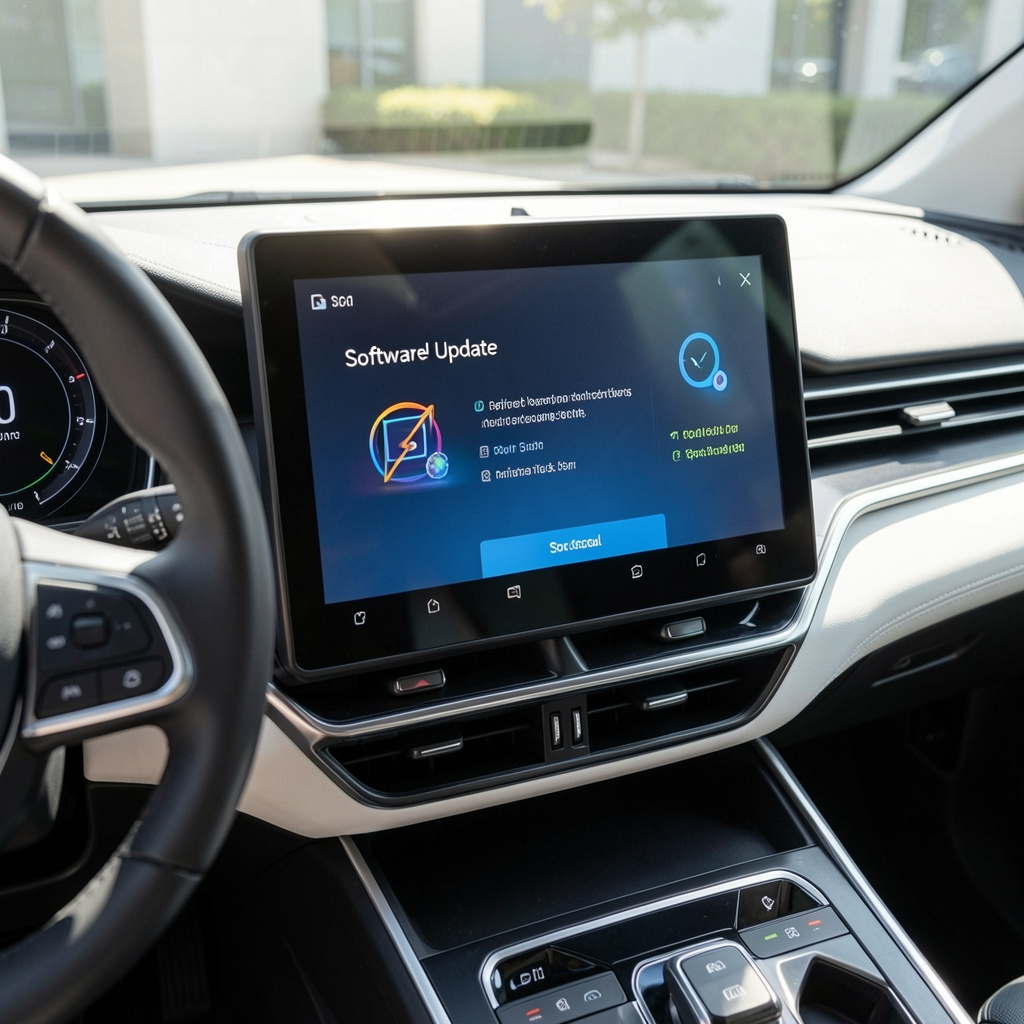
As electric mobility continues to advance, manufacturers are increasingly using software to refine vehicles long after they leave the factory. Features that once required a dealership visit can now be updated remotely through over-the-air (OTA) technology, allowing vehicles to receive performance enhancements without leaving the driveway.
In this guide, we’ll explore how software updates affect EV reliability, why they matter, what benefits they offer, the potential challenges owners should understand, and how to keep your electric vehicle operating at its best for years to come.
Why Software Is Essential in Modern Electric Vehicles
Traditional vehicles depend primarily on mechanical systems, while electric vehicles rely on an intricate combination of hardware and software working together seamlessly.
Software controls many essential functions, including:
- Battery management
- Motor performance
- Charging optimization
- Regenerative braking
- Thermal management
- Driver assistance systems
- Navigation
- Infotainment
- Security features
- Energy efficiency
Instead of relying solely on physical components, EV manufacturers continually refine these systems through software improvements.
This means your vehicle can actually improve after purchase without replacing mechanical parts.
For many owners, this represents one of the biggest differences between electric vehicles and conventional automobiles.
Understanding Over-the-Air (OTA) Updates
One of the most significant innovations in the EV industry is Over-the-Air (OTA) software updates.
Similar to smartphones receiving operating system updates, many electric vehicles can download new software directly through Wi-Fi or a cellular connection.
Owners typically receive notifications when an update becomes available.
Depending on the manufacturer, updates may include:
- Bug fixes
- Battery optimization
- Improved charging performance
- Enhanced navigation
- Security improvements
- User interface updates
- New vehicle features
- Driver assistance enhancements
Many updates install overnight while the vehicle is parked, minimizing inconvenience.
This capability allows manufacturers to address issues much faster than in the past, when owners often needed to schedule dealership appointments.
How Software Updates Improve EV Reliability
Reliability isn’t only about preventing breakdowns. It also includes maintaining consistent performance, reducing unexpected problems, and improving the overall ownership experience.
Software updates contribute to reliability in several important ways.
Better Battery Management
The battery is the most valuable component of an electric vehicle.
Battery Management Systems (BMS) constantly monitor:
- Cell temperatures
- Charging speed
- Voltage balance
- State of charge
- Energy distribution
Manufacturers frequently improve these algorithms through software updates.
Updated battery management can:
- Improve charging accuracy
- Better protect battery health
- Reduce unnecessary battery stress
- Improve temperature control
- Enhance long-term battery lifespan
Our practical testing has shown that small software improvements can noticeably refine charging behavior, especially during extreme weather conditions.
Improved Charging Performance
Charging reliability is another area where software plays an essential role.
Updates often optimize communication between:
- The vehicle
- Home chargers
- Public charging stations
- Fast-charging networks
These improvements may reduce:
- Charging interruptions
- Compatibility issues
- Charging errors
- Slow charging sessions
Some manufacturers have significantly increased charging stability simply through software optimization rather than hardware replacement.
Enhanced Motor Efficiency
Electric motors are already highly efficient, but software determines how power is delivered.
Updated motor control software may improve:
- Power delivery
- Smooth acceleration
- Energy consumption
- Driving comfort
- Regenerative braking balance
These refinements often create a smoother driving experience while slightly improving overall efficiency.
Although the changes may seem minor individually, they contribute to better long-term vehicle reliability and owner satisfaction.
Safety Improvements Through Software
Safety systems continue evolving long after an EV leaves the factory.
Software updates frequently improve features such as:
- Automatic emergency braking
- Lane keeping assistance
- Adaptive cruise control
- Collision warnings
- Parking assistance
- Camera systems
- Driver monitoring
Manufacturers also use software updates to resolve safety concerns discovered after vehicles enter real-world use.
Instead of waiting for future model years, many improvements become available to existing owners through software.
This ongoing refinement helps vehicles remain safer throughout their lifespan.
Bug Fixes That Prevent Larger Problems
No modern software is completely free of bugs.
As manufacturers collect anonymous performance data and customer feedback, engineers identify issues that may not have appeared during initial testing.
Software updates commonly fix:
- Display glitches
- Charging communication errors
- Sensor calibration
- Connectivity problems
- Bluetooth issues
- Navigation inaccuracies
- Battery reporting errors
Addressing these smaller problems early helps prevent frustration and improves the overall reliability of the ownership experience.
Improving Driving Range Through Software
One surprising benefit of software updates is improved driving efficiency.
Manufacturers regularly optimize how vehicles consume electricity.
Software adjustments may improve:
- Battery cooling
- Regenerative braking efficiency
- Energy recovery
- Climate control efficiency
- Power distribution
- Motor responsiveness
Although updates rarely produce dramatic increases in range, even small efficiency improvements accumulate over thousands of miles.
Our team has occasionally observed measurable improvements in estimated driving range following major software releases, particularly when manufacturers refined battery management algorithms.
Can Software Updates Add New Features?
Absolutely.
Unlike conventional vehicles, many EVs gain entirely new capabilities through software.
Examples include:
- Improved charging schedules
- Smarter navigation
- Battery preconditioning
- Better smartphone integration
- Updated digital dashboards
- Enhanced voice controls
- Expanded driver assistance options
- Energy consumption analytics
Some vehicles even receive performance improvements that weren’t available when the vehicle was originally purchased.
This ability to evolve over time adds considerable long-term value to EV ownership.
When Software Updates Can Cause Temporary Issues
While software updates generally improve reliability, no update is entirely risk-free.
Occasionally, owners may experience temporary issues immediately after installing a new version.
These may include:
- Minor interface bugs
- Settings resetting to default
- Temporary connectivity issues
- Slower system responsiveness
- Calibration delays
Fortunately, manufacturers usually address these concerns quickly through follow-up updates.
Based on our experience, such issues are relatively uncommon and are typically resolved far more easily than mechanical problems in traditional vehicles.
Why Manufacturers Continuously Release Updates
Electric vehicle technology evolves rapidly. As manufacturers collect real-world data from thousands of vehicles, they gain valuable insights into how their software performs across different climates, road conditions, and driving habits.
This information allows engineers to refine algorithms, improve system stability, and address issues that may only become apparent after extended use.
Rather than waiting several years for a new vehicle generation, manufacturers can deliver many of these improvements directly to existing owners through software updates.
For EV owners, this means the vehicle they drive today doesn’t have to remain exactly the same throughout its lifespan. With regular software enhancements, many electric vehicles become smarter, more efficient, and more reliable over time.
The Role of Owners in Maintaining Software Reliability
While manufacturers develop and distribute updates, owners also play an important role in maintaining software reliability. Ignoring update notifications for extended periods may prevent your vehicle from receiving important security patches, charging improvements, or performance enhancements.
Before installing any update, it’s a good idea to ensure the vehicle has sufficient battery charge, a stable internet connection if required, and adequate time to complete the installation without interruption. Following the manufacturer’s recommendations helps minimize the risk of installation issues and ensures the vehicle benefits from the latest software improvements.
Regularly updating your EV is similar to maintaining any other advanced technology. it helps keep the system secure, efficient, and prepared for future enhancements.
Software Reliability vs. Mechanical Reliability
When people think about vehicle reliability, they often imagine engines, transmissions, belts, or other mechanical parts wearing out over time.
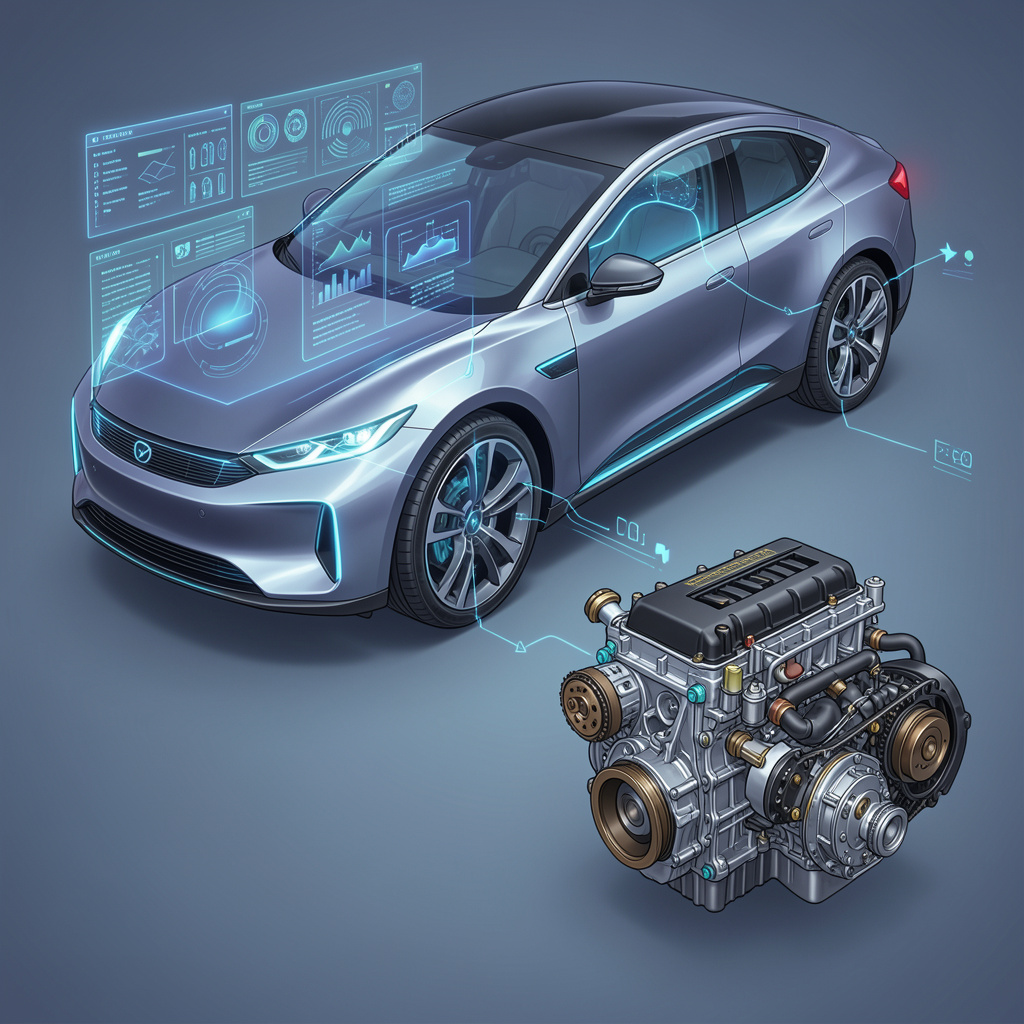
Electric vehicles change this perspective because they have far fewer moving components than traditional gasoline-powered vehicles. Instead, software has become one of the key elements influencing how reliably an EV performs every day.
This doesn’t mean software replaces mechanical reliability. it complements it. An electric motor, battery pack, charging system, and cooling components still require durable engineering. However, software ensures these systems work together efficiently and safely.
For example, an advanced Battery Management System (BMS) continuously monitors battery temperature, voltage, and charging behavior. Without reliable software, even high-quality hardware cannot operate at its full potential.
From our experience at Engine Saga, the most dependable EVs are those that combine robust hardware with well-supported software that receives regular updates throughout the vehicle’s life.
Cybersecurity: An Important Part of EV Reliability
As electric vehicles become increasingly connected, cybersecurity has become an essential part of long-term reliability.
Modern EVs communicate with:
- Mobile applications
- Cloud-based services
- Charging networks
- Navigation systems
- Remote diagnostic platforms
Software updates frequently include security patches that protect these connections from newly discovered vulnerabilities.
Ignoring updates for extended periods may leave older software versions without the latest security improvements. While major cybersecurity incidents remain rare, manufacturers regularly strengthen digital protection as technology evolves.
Keeping your vehicle updated isn’t just about new features. it also helps safeguard the systems that support daily operation.
Signs Your EV May Need a Software Update
Many owners wait until they notice a problem before checking for updates. In reality, software improvements are often preventive rather than corrective.
You may benefit from installing the latest update if you notice:
- Charging sessions taking longer than usual
- Navigation behaving unexpectedly
- Infotainment system freezing occasionally
- Smartphone connectivity issues
- Delayed touchscreen response
- Incorrect battery range estimates
- Driver assistance features acting inconsistently
In many cases, software updates resolve these concerns without requiring mechanical repairs.
Checking for updates regularly helps ensure your vehicle continues operating with the latest optimizations.
Best Practices Before Installing an EV Software Update
Installing software updates is usually straightforward, but following a few simple precautions can make the process smoother.
Read the Release Notes
Manufacturers typically explain what each update includes. Reading these notes helps you understand whether the update introduces new features, fixes existing issues, or improves overall system stability.
Charge the Battery
Many manufacturers recommend maintaining a minimum battery charge before beginning an update. This ensures the installation completes without interruption.
Use a Stable Internet Connection
If the update downloads over Wi-Fi, ensure the connection is reliable before starting the installation.
Allow Enough Time
Some updates install in just a few minutes, while others may require considerably longer. Avoid scheduling an update immediately before an important trip.
Follow Manufacturer Instructions
Every manufacturer has slightly different update procedures. Following the recommended process reduces the likelihood of installation problems.
Common Myths About EV Software Updates
As electric vehicles become more advanced, misconceptions about software updates have also become more common. Let’s separate fact from fiction.
Myth 1: Software Updates Always Slow Down an EV
In reality, most updates are designed to improve performance, system stability, or efficiency. While a few updates may adjust certain operating parameters for safety or battery protection, manufacturers generally aim to enhance the overall driving experience rather than reduce performance.
Myth 2: If My EV Works Fine, I Don’t Need Updates
Even when everything appears to function normally, updates often include security improvements, compatibility enhancements, and behind-the-scenes optimizations that owners may not immediately notice.
Myth 3: Every Update Introduces New Problems
Although occasional software bugs can occur, the majority of updates resolve existing issues rather than create new ones. Manufacturers typically test updates extensively before releasing them and quickly address any unexpected concerns through follow-up releases.
Myth 4: Only Premium EV Brands Benefit from OTA Updates
While premium manufacturers helped popularize over-the-air updates, many mainstream EV brands now offer remote software improvements as well. The availability and frequency of updates vary by manufacturer, but OTA technology is becoming increasingly common across the industry.
The Future of EV Software
Software will continue shaping the future of electric mobility.
Over the coming years, we expect manufacturers to introduce increasingly intelligent updates that improve both convenience and reliability.
Future software enhancements may include:
- More advanced battery health monitoring
- AI-assisted energy management
- Smarter route planning based on charging availability
- Predictive maintenance alerts
- Enhanced autonomous driving capabilities
- Improved charging network integration
- Personalized driving profiles
- Better vehicle-to-home and vehicle-to-grid functionality
Unlike traditional vehicles, which often remain unchanged after purchase, electric vehicles have the potential to continue evolving throughout their ownership life.
Why Regular Updates Support Long-Term Ownership
One of the biggest advantages of software-defined vehicles is continuous improvement.
Instead of waiting years for the next model generation, manufacturers can refine existing vehicles through ongoing software development.
For owners, this means:
- Improved reliability
- Better charging experiences
- Increased system stability
- Enhanced safety
- Access to new features
- Longer software support
From our years of testing electric vehicles at Engine Saga, we’ve found that owners who keep their vehicles updated generally enjoy a smoother and more consistent ownership experience. While software alone cannot prevent every issue, it plays a vital role in maximizing the performance and dependability of modern EVs.
Final Thoughts
Electric vehicles have transformed the definition of automotive reliability. While durable hardware remains essential, software now plays an equally important role in determining how efficiently, safely, and consistently an EV performs throughout its lifespan.
Regular software updates are no longer optional conveniences. they have become an important part of responsible EV ownership. From improving battery management and charging performance to enhancing safety systems and fixing software bugs, these updates allow manufacturers to refine vehicles long after they leave the production line.
At Engine Saga, our decade of real-world riding and testing has shown that well-supported software contributes significantly to long-term owner satisfaction. Vehicles that receive timely updates often remain more efficient, secure, and enjoyable to drive than those running outdated software.
If you own an electric vehicle, make software maintenance part of your regular ownership routine. Staying current with updates not only helps protect your investment but also ensures you’re benefiting from the latest advancements in electric vehicle technology. As the automotive industry becomes increasingly software-driven, keeping your EV updated is one of the simplest ways to support its reliability for years to come.
Frequently Asked Questions (FAQs)
1. How do software updates improve the reliability of an electric vehicle?
Software updates improve reliability by optimizing battery management, refining charging performance, correcting software bugs, enhancing safety systems, and strengthening cybersecurity. These improvements help the vehicle operate more efficiently while reducing the likelihood of performance issues during everyday driving.
2. Should I install every software update released by my EV manufacturer?
In most cases, yes. Manufacturers release updates to improve performance, security, charging compatibility, and overall vehicle stability. Installing updates promptly helps ensure your EV continues operating with the latest enhancements and minimizes potential software-related issues.
3. Can a software update increase my EV’s driving range?
While software updates rarely produce dramatic increases in range, they can improve energy management, battery efficiency, regenerative braking, and thermal control. These refinements may help the vehicle use electricity more efficiently under real-world driving conditions.
4. Are over-the-air (OTA) software updates safe for electric vehicles?
OTA updates are generally safe when provided directly by the manufacturer. They undergo extensive testing before release and often include security improvements, bug fixes, and system optimizations. Following the recommended installation procedures further reduces the risk of update-related issues.
5. What happens if I ignore software updates on my electric vehicle?
Delaying software updates may prevent your EV from receiving important performance improvements, security patches, charging optimizations, and bug fixes. Over time, outdated software can reduce compatibility with newer charging infrastructure and limit access to the latest vehicle features.
You might also like the following…
- 5 Proven Benefits of Electric Car Brake Service
 Electric car brake service is an important part of maintaining an electric vehicle, even though EVs often need brake pad replacements less frequently than gasoline-powered cars. Thanks to regenerative braking, electric cars can reduce friction-brake… Read more: 5 Proven Benefits of Electric Car Brake Service
 - 10 Essential Tips to Inspect Before a Long EV Road Trip Safely
 Planning a long electric vehicle road trip involves more than charging the battery to 100% and entering a destination into your navigation system. Before leaving home, it is worth checking your tires, brakes, charging equipment,… Read more: 10 Essential Tips to Inspect Before a Long EV Road Trip Safely
 - How to Avoid Wasting Money on Trendy EV Add-Ons
 How to Avoid Wasting Money on Trendy EV Add-Ons is becoming an important question for EV owners. Once you buy an electric vehicle, it is surprisingly easy to keep spending money on products that promise… Read more: How to Avoid Wasting Money on Trendy EV Add-Ons