
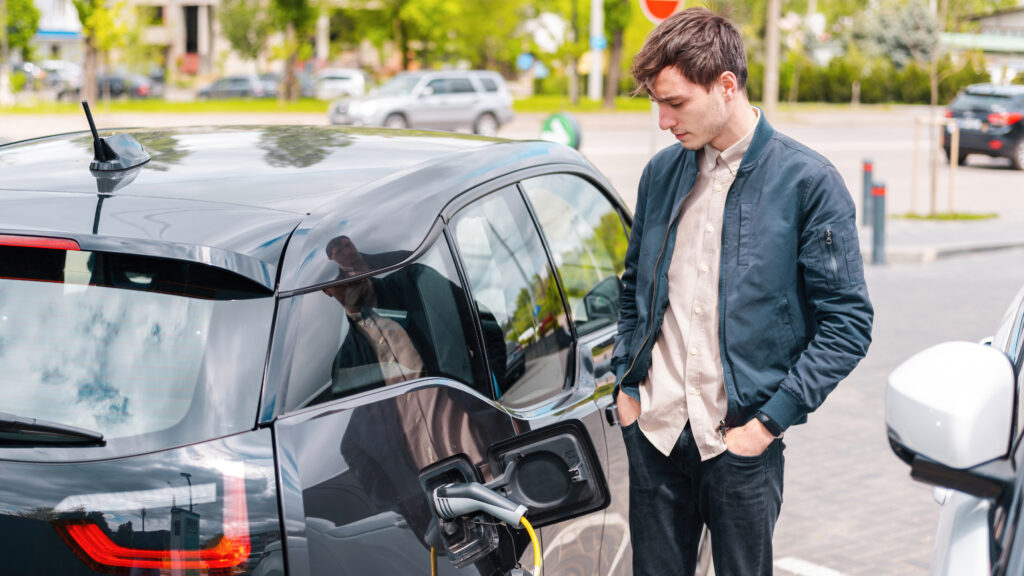
Charging Station Etiquette is something every electric vehicle owner should understand before relying on public charging infrastructure. As electric vehicle ownership continues to grow across the United States, more drivers are sharing the same charging stations every day. Knowing how to charge respectfully, avoid unnecessary delays, and consider other EV owners helps create a better experience for everyone. Whether you’re new to EV ownership or have been driving electric for years, following proper charging station etiquette can reduce frustration, improve charger availability, and make public charging more efficient
Unlike traditional gas stations, EV charging locations often require significantly more time per session. That means every driver using public charging infrastructure becomes part of a larger ecosystem where cooperation, awareness, and courtesy directly affect everyone else’s experience.
At Engine Saga, we’ve spent years testing EVs, traveling through cities, navigating road trips, and observing how charging habits shape the ownership experience…
One thing has become clear: most charging frustrations aren’t caused by the chargers themselves. They’re caused by misunderstandings about how shared charging spaces should work.
Good charging station etiquette isn’t about following strict rules. It’s about making public charging smoother, more efficient, and less stressful for everyone involved.
Let’s explore what every EV driver should know.
Why Charging Station Etiquette Matters More Than Ever
As EV adoption increases, public charging stations are becoming busier.
In many locations, drivers may encounter:
- Limited charging stalls
- Peak-hour congestion
- Long-distance travelers needing urgent charging
- Drivers waiting for available chargers
- Different vehicle types with different charging speeds
Unlike fueling a gasoline vehicle, charging often takes enough time for queues and delays to develop.
This makes respectful charging behavior essential.
Good etiquette helps:
- Reduce conflicts
- Improve charger availability
- Support efficient station usage
- Create a better EV community experience
Simply put, every charging session affects more than one driver.
Understanding That Charging Stations Are Shared Resources
One of the most important mindset shifts for new EV owners is understanding that public charging stations are shared spaces.
The charger you’re using may be the charger someone else is counting on to continue their trip.
This doesn’t mean rushing unnecessarily.
It means being aware that public infrastructure serves a community rather than a single vehicle.
Drivers who understand this principle naturally make better charging decisions.
They become more considerate without sacrificing their own needs.
Don’t Occupy a Charger Longer Than Necessary
One of the most common complaints among EV drivers involves vehicles remaining connected after charging is complete.
Many charging networks now send notifications when:
- Charging slows significantly
- The battery reaches the target level
- The charging session ends
Ignoring those notifications can create unnecessary delays.
Why This Matters
A charger sitting occupied by a fully charged vehicle helps nobody.
Meanwhile:
- Another driver may be waiting
- A road-tripper may need urgent charging
- A station may already be operating near capacity
Returning promptly after charging finishes is one of the simplest and most appreciated charging habits.
Avoid “Parking” at Charging Stations
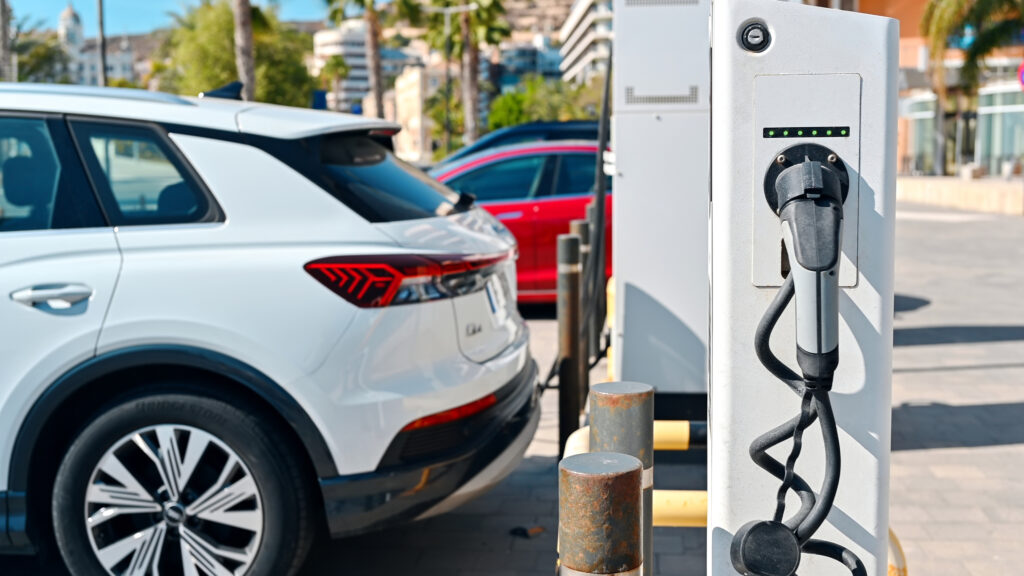
Charging spaces are not premium parking spots.
They are designed specifically for active charging.
Unfortunately, some drivers leave their vehicles in charging stalls without connecting them.
This behavior creates avoidable frustration.
Common Examples
- Parking in a charging space for convenience
- Using charging stalls as regular parking
- Blocking access without charging
Even if other stalls appear available, circumstances can change quickly.
Treat charging spaces as functional infrastructure, not reserved parking.
Charge Only What You Need During Busy Times
Many experienced EV drivers adjust their charging behavior based on station demand.
For example:
During a quiet period, charging to a higher battery level may be reasonable.
During peak demand, taking only the energy needed to continue the journey can improve charger availability for everyone.
This is especially important with DC fast charging.
The Reality of Charging Curves
Most EVs charge fastest at lower battery percentages.
As batteries fill, charging speeds naturally slow.
The final percentage often takes disproportionately longer.
During crowded periods, staying connected for those last few percentage points may provide little benefit compared to freeing the charger for another driver.
Be Mindful of Charging Cables
Charging cables are valuable equipment.
Treat them with care.
Avoid:
- Dragging connectors on the ground
- Twisting cables unnecessarily
- Leaving cables where people can trip
- Forcing connectors into ports
A damaged cable can affect future users and may take a charger out of service entirely.
Respecting equipment helps keep stations operational.
Leave the Charging Area Clean
Good charging etiquette extends beyond the charger itself.
Simple habits matter:
- Dispose of trash properly
- Avoid leaving food containers
- Keep charging areas organized
- Respect nearby businesses
Charging stations often serve as a first impression of EV culture.
A clean and respectful environment benefits everyone.
Communicate When Necessary
Most charging sessions require no interaction.
However, communication can be helpful in certain situations.
Examples include:
- Letting another driver know when you’ll finish soon
- Clarifying charger availability
- Coordinating usage during busy periods
Polite communication usually resolves situations faster than assumptions.
Most EV drivers appreciate courtesy and cooperation.
Understand Different Charging Needs
Not every driver arrives with the same situation.
Some may be:
- Commuters
- Road-trippers
- Rideshare drivers
- Delivery operators
- First-time EV owners
A driver with 5% battery remaining may have very different priorities than someone topping off from 70%.
Recognizing these differences helps foster empathy.
Charging stations work best when drivers remain flexible and understanding.
Avoid Blocking Access
Sometimes a vehicle can obstruct charger access even without occupying the charging stall itself.
Examples include:
- Poor parking alignment
- Blocking cable reach
- Restricting access to adjacent stalls
Before leaving your vehicle, consider whether others can easily use nearby equipment.
A few extra seconds of positioning can prevent major inconvenience.
Respect Charging Network Rules
Different charging networks may have unique policies.
These may include:
- Idle fees
- Parking restrictions
- Time limits
- Reservation systems
Understanding local rules helps avoid penalties and supports efficient station operation.
Ignoring station guidelines often creates problems for both drivers and operators.
The Growing Importance of Idle Fees
Many networks now use idle fees.
These charges begin after:
- Charging is complete
- A grace period expires
Idle fees serve an important purpose.
They encourage charger turnover.
Rather than viewing them as punishment, drivers should see them as tools that improve charger availability for everyone.
Charging Etiquette on Road Trips
Road-trip charging requires additional awareness.
Travel corridors often experience:
- Heavy seasonal demand
- Limited charging alternatives
- Tight travel schedules
In these situations:
- Return promptly to your vehicle
- Avoid unnecessary charging beyond travel needs
- Have backup charging options
- Respect queue systems
Road-trip charging becomes much easier when drivers cooperate.
Hotel Charging Etiquette
Destination charging presents unique challenges.
Hotels often have limited charging stations.
Common best practices include:
- Moving your vehicle once charging is complete
- Following hotel charging policies
- Allowing other guests access when possible
A shared approach benefits all EV travelers.
Workplace Charging Etiquette
Workplace charging can create long-term habits.
Employees should:
- Follow company guidelines
- Share charging access fairly
- Avoid monopolizing limited chargers
- Move vehicles when requested
Organizations increasingly depend on cooperative charging behavior to support growing EV adoption.
What New EV Owners Often Get Wrong
Mistake #1: Treating Chargers Like Fuel Pumps
Charging sessions are longer and require different planning.
The mindset should focus on shared usage rather than rapid turnover alone.
Mistake #2: Charging to 100% Every Time
In many situations, especially busy public locations, charging only what is needed improves overall station efficiency.
Mistake #3: Ignoring Notifications
Most charging apps provide updates.
Responding promptly improves charger availability.
Mistake #4: Forgetting About Other Drivers
Public charging is a community experience.
Awareness goes a long way.
What We Have Learned at Engine Saga
After years of EV ownership and real-world testing, we’ve noticed something interesting.
The best charging experiences rarely depend on technology alone.
They depend on people.
Drivers who:
- Communicate clearly
- Respect shared infrastructure
- Charge thoughtfully
- Stay aware of others
create a better experience for everyone.
Charging station etiquette isn’t about strict enforcement.
It’s about mutual respect.
As EV adoption grows, the charging habits we build today will shape the culture of tomorrow’s electric mobility ecosystem.
The goal isn’t perfection.
The goal is consideration.
And in a shared charging environment, consideration goes a very long way
Frequently Asked Questions (FAQs)
1. Why is charging station etiquette important for EV drivers?
Charging station etiquette helps maximize charger availability, reduce wait times, and improve the overall charging experience. As public charging networks become busier, respectful behavior ensures that shared infrastructure remains efficient and accessible for all drivers.
2. Should I move my EV immediately after charging is complete?
In most public charging situations, moving your vehicle promptly is considered good practice. Leaving a fully charged vehicle connected unnecessarily can delay other drivers and reduce overall charging station efficiency, especially during peak demand periods.
3. Is it rude to charge an EV to 100% at a public fast charger?
Not necessarily. However, during busy periods, charging only the energy needed for your journey is often more considerate. Since charging speeds slow significantly at higher battery levels, extended sessions can increase wait times for others.
4. What should I do if all charging stations are occupied?
Remain patient and observe station activity. Many drivers are nearing completion and may leave soon. Avoid confrontational behavior and communicate politely if necessary. Having backup charging locations identified can also reduce stress.
5. How can new EV owners become better charging station users?
The best approach is to stay aware of others, monitor charging progress, follow network rules, avoid unnecessary charger occupancy, and respect shared infrastructure. These habits improve both individual convenience and the broader EV ownership experience.
You might also like the following…
- 5 Proven Benefits of Electric Car Brake Service
 Electric car brake service is an important part of maintaining an electric vehicle, even though EVs often need brake pad replacements less frequently than gasoline-powered cars. Thanks to regenerative braking, electric cars can reduce friction-brake… Read more: 5 Proven Benefits of Electric Car Brake Service
 - 10 Essential Tips to Inspect Before a Long EV Road Trip Safely
 Planning a long electric vehicle road trip involves more than charging the battery to 100% and entering a destination into your navigation system. Before leaving home, it is worth checking your tires, brakes, charging equipment,… Read more: 10 Essential Tips to Inspect Before a Long EV Road Trip Safely
 - How to Avoid Wasting Money on Trendy EV Add-Ons
 How to Avoid Wasting Money on Trendy EV Add-Ons is becoming an important question for EV owners. Once you buy an electric vehicle, it is surprisingly easy to keep spending money on products that promise… Read more: How to Avoid Wasting Money on Trendy EV Add-Ons
Pingback: 10 Essential Tips to Inspect Before a Long EV Road Trip Safely