
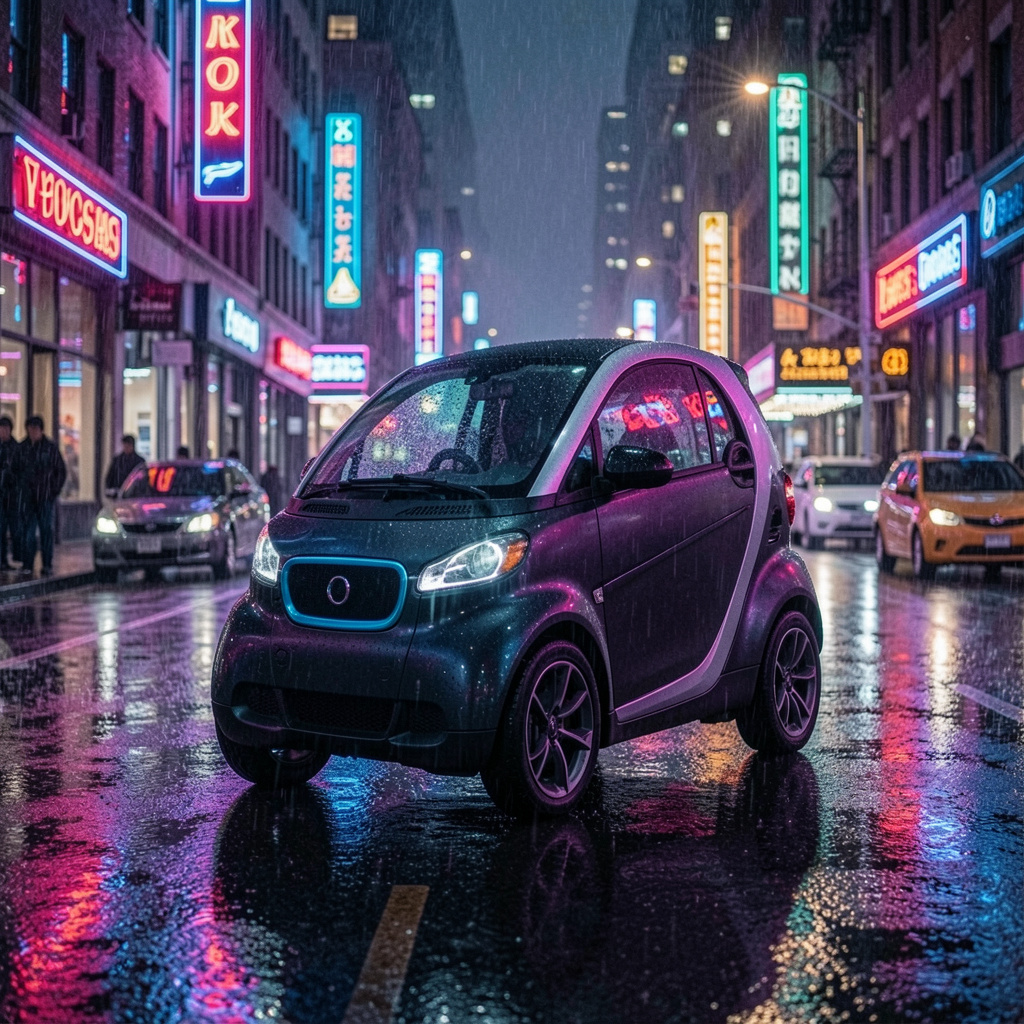
Electric vehicles have become increasingly practical for urban transportation. With more models entering the market every year, choosing an EV is no longer about finding an electric vehicle. it’s about finding the right electric vehicle for your lifestyle.
At Engine Saga, we’ve spent years evaluating EVs in real-world environments, from crowded downtown streets and suburban neighborhoods to daily commutes and weekend errands. One lesson continues to stand out:
The best EV for daily city driving is not necessarily the one with the biggest battery, the highest horsepower, or the most advanced technology...
The best city EV is the one that fits your daily routine effortlessly.
This guide will help you understand exactly what matters when selecting an electric vehicle for urban driving and what features deserve your attention before making a purchase.
Why City Driving Changes the EV Buying Decision
Many buyers begin their search by comparing advertised range figures.
While range matters, city driving creates a very different ownership experience than long-distance highway travel.
Urban drivers typically deal with:
- Frequent stop-and-go traffic
- Short daily commutes
- Limited parking space
- Tight streets
- Regular errands
- Lower average speeds
These conditions shift priorities significantly.
A vehicle that excels on long highway journeys may not be the most practical choice for everyday city use.
The goal isn’t maximizing specifications.
The goal is maximizing convenience.
Start With Your Daily Driving Habits
Before comparing vehicles, evaluate how you actually drive.
Ask yourself:
- How many miles do I travel daily?
- How often do I drive beyond my city?
- Do I have access to charging at home?
- Do I park in a garage, driveway, or public area?
- How many passengers do I regularly carry?
These questions reveal more about your ideal EV than any brochure.
Many urban commuters travel far less than they initially assume.
Understanding your true daily usage helps avoid overbuying.
Range: Important, But Often Overestimated
Range is usually the first specification buyers examine.
However, many city drivers purchase far more range than they realistically need.
Consider this:
If your daily commute is 25 miles, a vehicle offering 250 miles of range may already provide several days of driving before needing a charge...
This doesn’t mean range is unimportant.
It means range should be evaluated within the context of actual use.
When Higher Range Makes Sense
Additional range may be beneficial if:
- You frequently take weekend trips
- Public charging is limited nearby
- You cannot charge regularly at home
- You prefer fewer charging sessions
Otherwise, excessive range can sometimes mean paying for capacity you rarely use.
Size Matters More Than Many Drivers Realize
One of the biggest advantages of city-focused EVs is maneuverability.
Urban environments often present:
- Tight parking spaces
- Congested roads
- Narrow streets
- Crowded parking garages
A compact EV can reduce daily stress significantly.
Benefits include:
- Easier parking
- Better visibility
- Simpler navigation through traffic
- Improved maneuverability
Bigger vehicles may offer more interior space, but city drivers should carefully consider whether they truly need it.
Efficiency Can Be More Valuable Than Maximum Range
Many shoppers focus exclusively on battery size.
However, efficiency often provides greater long-term benefits.
An efficient EV:
- Consumes less energy
- Costs less to charge
- Maximizes available range
- Performs better in urban conditions
Because city driving frequently involves regenerative braking and lower speeds, some EVs achieve impressive efficiency in urban environments.
This can translate directly into lower operating costs.
Charging Convenience Should Influence Your Decision
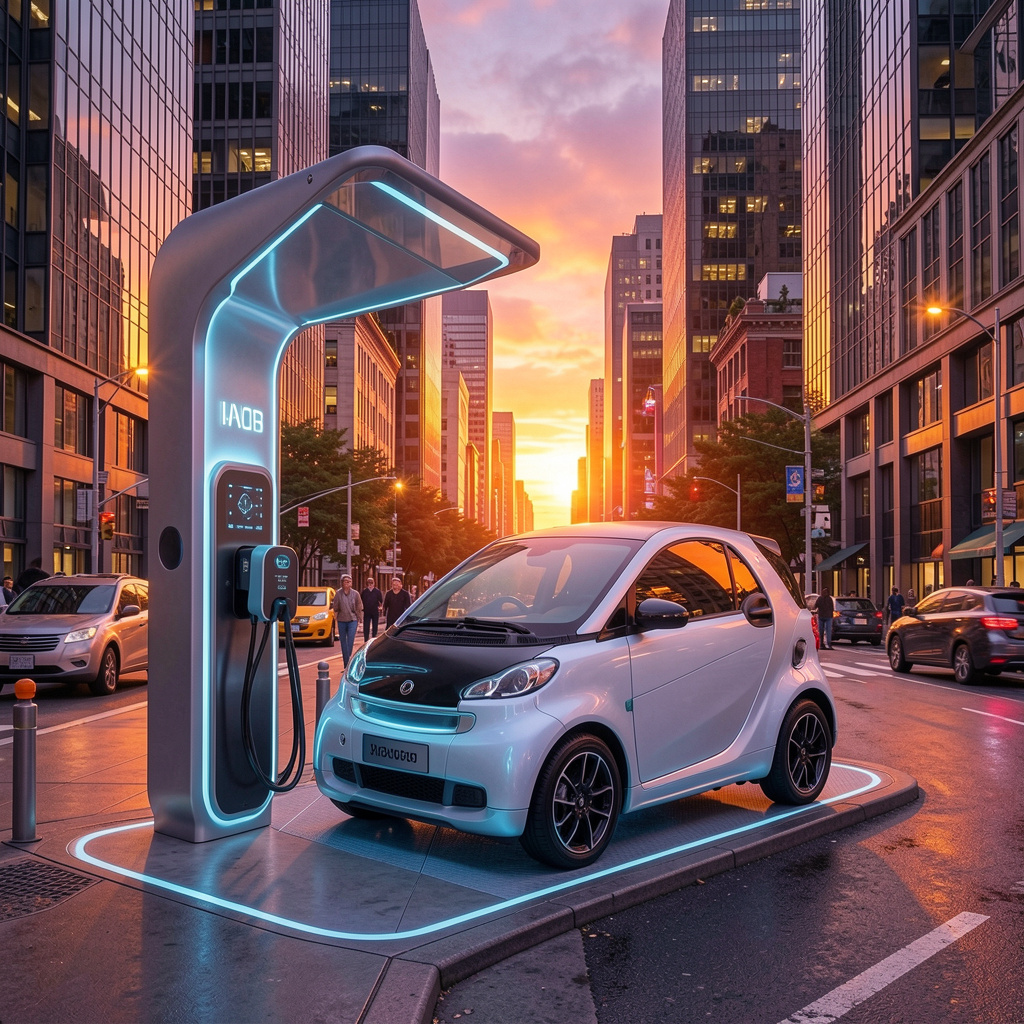
A great EV becomes even better when charging is simple.
Before buying, evaluate your charging situation.
Home Charging Access
If you can charge at home:
- Daily ownership becomes easier
- Public charging dependence decreases
- Battery management becomes simpler
Many EV owners rarely visit public chargers because overnight home charging covers most daily needs.
Apartment and Urban Living
If home charging isn’t available:
- Public charging access becomes more important
- Workplace charging may add value
- Nearby charging networks deserve consideration
The best EV for your city may depend partly on local charging infrastructure.
Comfort Matters During Daily Commuting
City driving often involves spending significant time behind the wheel.
Even short trips add up.
Look for features that improve comfort:
- Supportive seating
- Good visibility
- Intuitive controls
- Smooth ride quality
- Effective climate control
Daily usability often matters more than flashy specifications.
The vehicle should feel comfortable during routine driving, not just impressive during a test drive.
Technology Should Simplify, Not Complicate
Modern EVs are packed with technology.
Some systems genuinely improve daily life.
Others add complexity without meaningful benefit.
Look for practical features such as:
- Reliable navigation
- Smartphone integration
- Charging station mapping
- Battery monitoring tools
- Parking assistance systems
Technology should reduce stress rather than create it.
The best systems feel intuitive from day one.
Safety Features Are Especially Valuable in Cities
Urban environments contain constant activity.
Drivers encounter:
- Pedestrians
- Cyclists
- Delivery vehicles
- Intersections
- Dense traffic
Advanced safety systems can provide additional awareness.
Useful features include:
- Blind-spot monitoring
- Automatic emergency braking
- Rear cross-traffic alerts
- Lane departure warnings
- Parking sensors
While no technology replaces attentive driving, these systems can enhance confidence.
Regenerative Braking Makes a Bigger Difference in Cities
Regenerative braking is one of the most useful EV features for urban driving.
It captures energy during deceleration and returns it to the battery.
Benefits include:
- Improved efficiency
- Reduced brake wear
- Smoother driving experience
- Enhanced energy recovery
City traffic creates frequent opportunities for regeneration.
This makes urban environments particularly favorable for EV efficiency.
Some drivers even prefer one-pedal driving after gaining experience with regenerative systems.
Don’t Ignore Real-World Practicality
Many purchase decisions are influenced by marketing.
Real-world ownership depends on everyday practicality.
Consider:
Cargo Space
Can groceries fit comfortably?
Passenger Room
Will family members ride comfortably?
Visibility
Can you easily see surrounding traffic?
Ease of Entry
Will daily use remain convenient over time?
Small details often become major factors after ownership begins.
Total Ownership Cost Matters More Than Purchase Price
Many buyers focus exclusively on sticker price.
A smarter approach evaluates overall ownership costs.
Consider:
- Charging expenses
- Maintenance requirements
- Insurance costs
- Tire replacement costs
- Warranty coverage
An EV with a slightly higher purchase price may deliver lower long-term operating expenses.
This broader perspective often leads to better decisions.
Reliability and Service Support Matter
The ownership experience extends beyond the vehicle itself.
Research:
- Service availability
- Warranty coverage
- Customer support reputation
- Parts accessibility
A reliable support network adds confidence.
Even excellent vehicles benefit from strong service infrastructure.
Urban Drivers Don’t Always Need Maximum Performance
Performance figures attract attention.
For city driving, however, extreme acceleration is rarely essential.
Most urban drivers benefit more from:
- Smooth power delivery
- Predictable handling
- Comfortable ride quality
- Efficient operation
Balanced performance usually creates a better daily experience than excessive power.…
Common Mistakes Buyers Make
Mistake #1: Buying Too Much Range
Many urban drivers purchase battery capacity they rarely use.
Mistake #2: Ignoring Charging Access
Charging convenience directly impacts ownership satisfaction.
Mistake #3: Prioritizing Features Over Practicality
Daily usability should remain the primary consideration.
Mistake #4: Choosing Size Without Need
Larger vehicles can create unnecessary challenges in cities.
Mistake #5: Focusing Only on Purchase Price
Long-term ownership costs deserve equal attention.
What We Have Learned at Engine Saga
After years of evaluating electric vehicles in real-world urban environments, we’ve discovered something surprising.
The happiest city EV owners are rarely those with the biggest batteries or the most expensive vehicles.
They’re the owners whose vehicles fit naturally into their lives.
The best EV for daily city driving delivers:
- Sufficient range
- Easy maneuverability
- Efficient energy usage
- Convenient charging
- Comfortable daily operation
When these factors align, ownership becomes remarkably simple.
The vehicle stops feeling like new technology and starts feeling like a natural part of your routine...
And ultimately, that’s what a great city EV should do.
It shouldn’t demand constant attention.
It should quietly make everyday mobility easier.
Frequently Asked Questions (FAQs)
1. What range is ideal for a daily city-driving EV?
Most urban drivers do not need maximum range. A vehicle that comfortably exceeds your weekly commuting needs while allowing flexibility for errands and occasional longer trips is often more practical than purchasing the largest available battery
2. Is a compact EV better than a larger electric SUV for city use?
In many urban environments, compact EVs offer significant advantages. Easier parking, improved maneuverability, better efficiency, and reduced stress in crowded areas often make smaller vehicles more practical for daily city driving.
3. How important is home charging when choosing an EV?
Home charging can significantly improve the ownership experience. Overnight charging reduces reliance on public infrastructure and makes daily driving more convenient. However, strong local public charging networks can also support successful EV ownership.
4. Should city drivers prioritize battery size or efficiency?
Efficiency is often more valuable for urban commuting. An efficient EV can maximize usable range while lowering charging costs. Many city drivers benefit more from energy efficiency than from the largest possible battery pack.
5. What features should first-time EV buyers prioritize for city driving?
New buyers should focus on practicality, including range suitable for daily needs, easy charging access, strong safety features, good visibility, comfortable seating, and intuitive technology that enhances rather than complicates everyday driving.
You might also like the following…
- 5 Proven Benefits of Electric Car Brake Service
 Electric car brake service is an important part of maintaining an electric vehicle, even though EVs often need brake pad replacements less frequently than gasoline-powered cars. Thanks to regenerative braking, electric cars can reduce friction-brake… Read more: 5 Proven Benefits of Electric Car Brake Service
 - 10 Essential Tips to Inspect Before a Long EV Road Trip Safely
 Planning a long electric vehicle road trip involves more than charging the battery to 100% and entering a destination into your navigation system. Before leaving home, it is worth checking your tires, brakes, charging equipment,… Read more: 10 Essential Tips to Inspect Before a Long EV Road Trip Safely
 - How to Avoid Wasting Money on Trendy EV Add-Ons
 How to Avoid Wasting Money on Trendy EV Add-Ons is becoming an important question for EV owners. Once you buy an electric vehicle, it is surprisingly easy to keep spending money on products that promise… Read more: How to Avoid Wasting Money on Trendy EV Add-Ons