
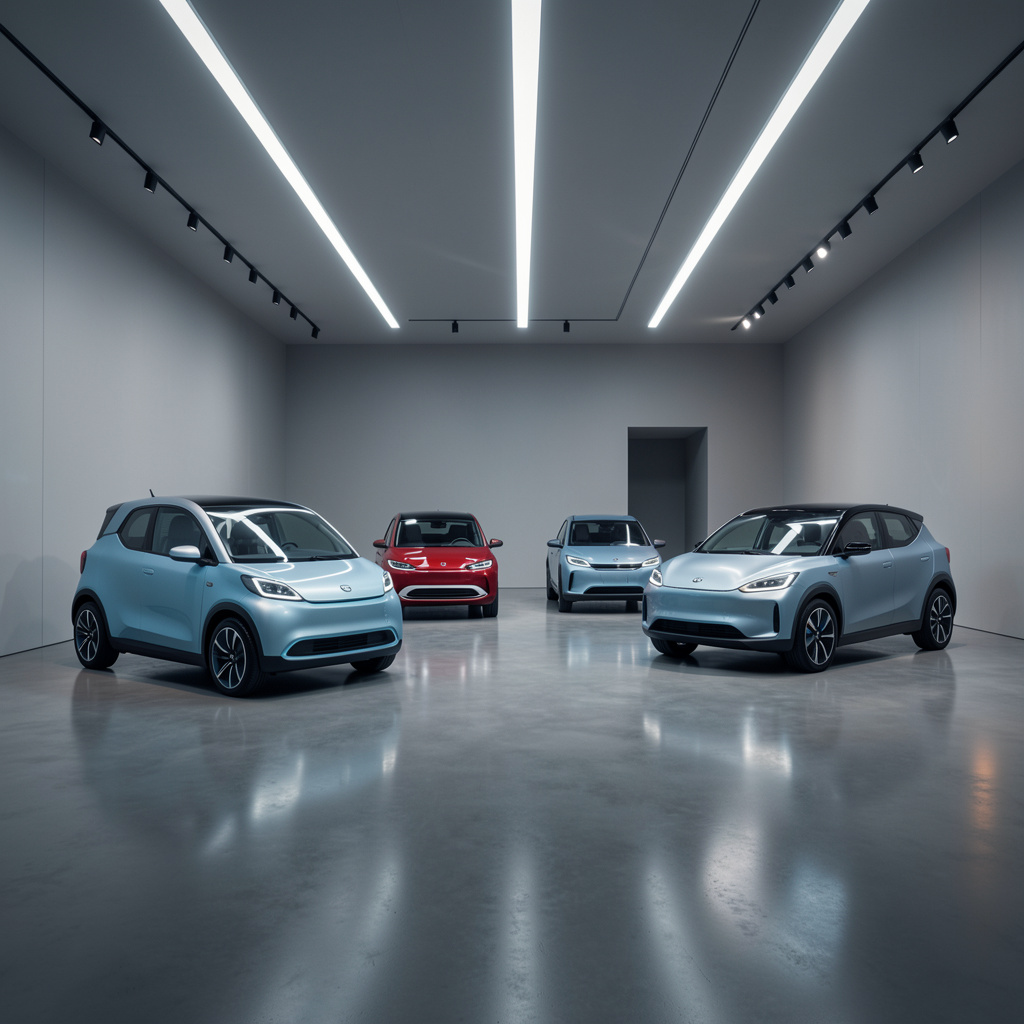
Compact EV vs Crossover EV is one of the most important comparisons for anyone planning to buy an electric vehicle today. Choosing an EV is no longer just about switching from gasoline to electric power it’s about finding the right vehicle that matches your lifestyle, driving habits, and everyday needs. With more electric models available than ever before, deciding between a compact EV and a crossover EV can significantly impact your comfort, running costs, practicality, and long-term satisfaction.
While both offer advanced technology, lower maintenance requirements, and eco-friendly performance, they are designed to serve different types of drivers. Understanding their key differences will help you make a confident and informed decision that fits your daily routine and future travel plans
Whether you’re a daily commuter navigating crowded city streets or a family planning weekend road trips, selecting the right EV can significantly improve your ownership experience.
The best choice depends on how you drive, who travels with you, how much cargo you carry, and what you expect from your vehicle over the coming years.
At Engine Saga, we’ve spent years evaluating vehicles in real-world conditions rather than relying solely on manufacturer specifications. Through extensive testing and practical experience, we’ve found that buyers who understand their own driving habits before purchasing an EV tend to be far happier with their decision in the long run.
This guide compares compact EVs and crossover EVs from every practical angle, including performance, driving comfort, efficiency, cargo space, ownership costs, charging habits, and long-term usability.
By the end, you’ll know exactly which type of electric vehicle fits your lifestyle better.
Understanding Compact EVs
Compact electric vehicles are designed primarily for efficiency, agility, and urban convenience. They typically feature smaller exterior dimensions while maximizing interior space through smart electric vehicle architecture.
Unlike traditional gasoline cars, electric platforms allow manufacturers to move batteries beneath the floor, creating surprisingly spacious cabins despite smaller footprints.
Typical Characteristics
- Lightweight construction
- Smaller battery packs
- Excellent energy efficiency
- Easier city maneuverability
- Lower purchase prices
- Faster parking in tight spaces
- Reduced operating costs
Compact EVs appeal to commuters, first-time EV buyers, students, couples, and anyone who spends most of their driving time in cities.
Understanding Crossover EVs
Crossover EVs combine SUV-inspired styling with the efficiency advantages of electric powertrains. They provide higher seating positions, larger cargo areas, and greater passenger comfort while remaining easier to drive than traditional full-size SUVs.
As EV technology has matured, crossovers have become one of the fastest-growing vehicle categories because they balance practicality with everyday comfort.
Typical Characteristics
- Elevated driving position
- Larger battery capacity
- More passenger space
- Increased cargo room
- Better long-distance comfort
- Family-oriented design
- Optional all-wheel drive
Crossover EVs are ideal for families, outdoor enthusiasts, and buyers seeking greater versatility without stepping into large SUV territory.
Compact EV vs Crossover EV at a Glance
| Feature | Compact EV | Crossover EV |
| City Driving | Excellent | Very Good |
| Highway Comfort | Good | Excellent |
| Parking Ease | Excellent | Good |
| Interior Space | Moderate | Excellent |
| Cargo Capacity | Moderate | High |
| Energy Efficiency | Higher | Slightly Lower |
| Initial Purchase Cost | Lower | Higher |
| Family Friendliness | Good | Excellent |
| Long Trips | Good | Excellent |
| Visibility | Standard | Higher |
While both offer the benefits of electric mobility, the differences become more noticeable when considering daily routines and long-term ownership.
City Driving: Where Compact EVs Shine
Urban driving is where compact EVs truly excel. Their smaller dimensions make navigating congested streets, narrow parking garages, and crowded neighborhoods much less stressful.
Electric motors provide instant torque, allowing compact EVs to accelerate smoothly from traffic lights while maintaining impressive energy efficiency during stop-and-go traffic.
Smaller vehicles also consume less electricity because they weigh less and require less energy to move. Over thousands of miles, this efficiency can translate into noticeable savings on charging costs.
For drivers whose daily routine involves commuting, grocery shopping, and running errands, a compact EV often delivers everything needed without the added size of a crossover.
Why Crossover EVs Feel More Comfortable
While compact EVs prioritize efficiency, crossover EVs focus on versatility and comfort.
The elevated seating position offers a commanding view of the road, reducing driver fatigue during longer journeys. Many drivers also appreciate the easier entry and exit, especially older adults or families with young children.
The additional cabin width and legroom create a more relaxed environment for passengers, making crossovers better suited for extended travel.
Noise insulation is often improved in crossover models as well, resulting in quieter highway driving experiences.
Interior Space Comparison
One of the biggest deciding factors between these two categories is cabin space.
Compact EVs make excellent use of available room, but physics still limits overall passenger and cargo capacity.
If your daily driving mostly involves one or two occupants, you’ll likely find a compact EV perfectly adequate.
However, once children, pets, sports equipment, luggage, or camping gear become part of the equation, crossover EVs quickly demonstrate their advantages.
Compact EV Interior Benefits
- Easier access to controls
- Cozy driving environment
- Lower step-in height
- Efficient cabin design
- Sufficient space for everyday commuting
Crossover EV Interior Benefits
- More rear-seat comfort
- Larger cargo area
- Flexible folding seats
- Better family practicality
- Increased headroom
These differences become especially important during vacations, airport pickups, or weekend adventures.
Cargo Capacity: Everyday Practicality
Cargo space often matters more than buyers initially expect.
A compact EV easily accommodates grocery bags, backpacks, laptops, and daily essentials. However, transporting larger items may require folding rear seats or making multiple trips.
Crossover EVs provide significantly greater cargo flexibility. Strollers, bicycles, luggage, pet carriers, and home improvement supplies fit more comfortably without compromising passenger seating.
If your lifestyle regularly involves carrying bulky equipment or traveling with multiple passengers, the additional cargo volume can make ownership far more convenient.
Driving Experience and Performance
Both compact EVs and crossover EVs benefit from the instant torque that electric motors deliver. Acceleration feels smooth, responsive, and enjoyable regardless of vehicle size.
Compact EVs generally feel more agile thanks to their lighter weight and shorter wheelbase. They respond quickly to steering inputs and are especially fun in urban environments.
Crossover EVs, while slightly heavier, provide greater stability on highways and rougher roads. Their suspension systems are often tuned for comfort, absorbing bumps more effectively and offering a composed ride during long-distance travel
Battery Size and Real-World Driving Range
One of the first specifications buyers notice when comparing EVs is battery capacity. While a larger battery generally delivers more driving range, it also adds weight, increases the purchase price, and can slightly reduce overall efficiency.
Compact EVs usually feature battery packs between 40 kWh and 65 kWh, depending on the model. These batteries are optimized for city commuting and moderate highway driving. In real-world conditions, many compact EVs comfortably deliver 180 to 300 miles (290-480 km) on a full charge, making them more than capable of handling daily errands, work commutes, and occasional weekend trips.
Crossover EVs, on the other hand, commonly offer 60 kWh to 100+ kWh battery packs. Their additional energy storage supports heavier vehicle weights and longer highway journeys, with many delivering 250 to over 350 miles (400-560 km) in practical driving conditions.
However, remember that advertised range rarely reflects everyday use. Weather, driving speed, road elevation, passenger load, climate control usage, and driving style all influence actual range.
A compact EV often achieves a higher efficiency rating due to its lighter weight, while a crossover EV compensates with a larger battery.
Real-World Range Comparison
| Factor | Compact EV | Crossover EV |
| Typical Battery Size | 40-65 kWh | 60-100+ kWh |
| Practical Driving Range | 180-300 miles | 250-350+ miles |
| Energy Efficiency | Excellent | Very Good |
| Highway Performance | Good | Excellent |
| Long-Distance Travel | Suitable | Ideal |
Charging Differences
Charging convenience is another important factor that shapes the EV ownership experience.
Because compact EVs generally have smaller battery packs, they often require less time to recharge. A Level 2 home charger can replenish most compact EVs overnight, making daily charging simple and affordable. DC fast charging is also quicker because there is less total energy to replace.
Crossover EVs take longer to charge due to their larger batteries, but many modern models support higher charging speeds that reduce waiting times during road trips. If you regularly travel long distances, this faster charging capability can offset the additional charging duration.
For most drivers who charge at home overnight, the difference between compact and crossover charging times is rarely a deciding factor. However, frequent highway travelers should consider both battery size and maximum DC fast-charging speed before making a purchase.
Ownership Costs Over Time
Beyond the purchase price, the total cost of owning an EV includes charging expenses, insurance, maintenance, tire replacement, and long-term depreciation.
Compact EVs typically have a lower upfront cost, making them an attractive option for first-time EV buyers or budget-conscious households. Their lighter weight also reduces tire wear and electricity consumption, contributing to lower ongoing expenses.
Crossover EVs generally command higher prices because of their larger batteries, increased interior space, advanced features, and optional all-wheel-drive systems. Insurance premiums may also be slightly higher due to their greater replacement value.
Fortunately, both categories benefit from reduced maintenance compared to gasoline-powered vehicles. With fewer moving parts, no engine oil changes, and regenerative braking systems that reduce brake wear, EV owners often spend less on routine servicing.
Estimated Ownership Comparison
| Ownership Factor | Compact EV | Crossover EV |
| Purchase Price | Lower | Higher |
| Electricity Costs | Lower | Moderate |
| Maintenance | Low | Low |
| Insurance | Generally Lower | Slightly Higher |
| Tire Replacement | Less Frequent | More Frequent |
| Long-Term Value | Strong | Strong |
Safety Comparison
Modern EVs are among the safest vehicles on the road, regardless of size.
The placement of the battery beneath the floor lowers the vehicle’s center of gravity, improving stability and reducing rollover risk.
Advanced driver-assistance systems, including automatic emergency braking, lane-keeping assistance, adaptive cruise control, blind-spot monitoring, and rear cross-traffic alerts, are now common in both compact and crossover EVs.
That said, crossover EVs often provide an additional sense of confidence thanks to their larger dimensions, elevated seating position, and enhanced visibility. Families may also appreciate the extra interior space for properly installing child safety seats.
Ultimately, both vehicle types can provide outstanding occupant protection when equipped with modern safety technologies.
Winter and Extreme Weather Performance
Cold weather affects every electric vehicle by reducing battery efficiency and increasing energy consumption for cabin heating. However, the impact varies depending on battery size and vehicle design.
Compact EVs may experience a more noticeable percentage reduction in range because they start with smaller battery capacities. Even so, preconditioning the battery while plugged in, using seat heaters instead of cabin heat, and maintaining proper tire pressure can help minimize winter efficiency losses.
Crossover EVs often perform better in harsh climates because their larger batteries retain more usable range even after cold-weather reductions. Many also offer all-wheel drive, making them better suited for snow-covered roads, steep inclines, and challenging weather conditions.
Family vs. Commuter: Which One Fits Your Lifestyle?
Choosing between a compact EV and a crossover EV ultimately comes down to how you live, drive, and travel.
A Compact EV Is the Better Choice If You:
- Primarily drive in urban or suburban areas.
- Commute alone or with one passenger.
- Want the lowest running costs.
- Need easy parking in crowded cities.
- Prefer maximum energy efficiency.
- Have limited garage or parking space.
- Want an affordable entry into EV ownership.
A Crossover EV Is the Better Choice If You:
- Frequently travel with family or friends.
- Need extra cargo space for luggage, sports gear, or pets.
- Take regular road trips.
- Live in areas with harsh winters or rough roads.
- Appreciate a higher driving position and greater visibility.
- Want additional flexibility as your lifestyle evolves
Final Verdict: Compact EV vs Crossover EV Which Fits Your Life Better?
After comparing range, comfort, charging, costs, safety, and everyday practicality, the answer becomes surprisingly simple: there is no universally “better” EV category. The right choice depends entirely on your lifestyle.
If your world revolves around city commuting, easy parking, lower ownership costs, and maximum efficiency, a compact EV is likely the smarter investment. Modern compact EVs offer enough range for most daily drivers while keeping charging costs and maintenance expenses impressively low.
If you regularly travel with family, carry luggage or sports gear, take road trips, or want a more spacious and comfortable cabin, a crossover EV will probably serve you better. The extra room, higher seating position, and larger battery capacity make long-distance travel and everyday family life noticeably easier.
At Engine Saga, our practical recommendation is this:
Choose a compact EV for efficiency and affordability. Choose a crossover EV for versatility and comfort.
Both categories represent a major step forward from traditional gasoline vehicles, and either can be an excellent long-term choice when matched to the right driver.
FAQs – People Also Ask
Is a compact EV cheaper to own than a crossover EV?
In most cases, yes. Compact EVs usually have lower purchase prices, consume less electricity, and place less wear on tires. Insurance costs may also be lower, making total ownership expenses noticeably more affordable over several years.
Which EV type is better for long road trips?
Crossover EVs generally perform better on long journeys because they offer larger batteries, more cargo space, improved highway comfort, and often faster DC charging capabilities. Families and frequent travelers usually appreciate the extra range and flexibility.
Do compact EVs have enough range for daily driving?
Absolutely. Most modern compact EVs provide enough real-world range for commuting, shopping, school runs, and weekend errands. Many drivers only need to charge a few times per week when driving typical daily distances.
Are crossover EVs safer than compact EVs?
Both can be extremely safe when equipped with modern driver-assistance systems. Crossover EVs may provide a greater sense of security due to their larger size and higher seating position, but safety ratings vary by individual model.
What is the best EV type for a family of four?
For most families of four, a crossover EV is usually the more practical choice. The additional rear-seat space, cargo capacity, and long-distance comfort make everyday family travel significantly easier than in many compact EVs
You might also like the following…
- What Accessories Most Urban EV Owners Actually Use?
 What Accessories Most Urban EV Owners Actually Use is a more practical question than simply asking which EV accessories are popular. City driving creates a very different set of daily problems than long-distance travel. Tight… Read more: What Accessories Most Urban EV Owners Actually Use?
 - How Tire Wear Changes the True Cost of EV Ownership
 How Tire Wear Changes the True Cost of EV Ownership is a question more EV buyers should ask before looking only at electricity savings and reduced routine maintenance. Electric vehicles can be efficient and economical… Read more: How Tire Wear Changes the True Cost of EV Ownership
 - What Makes an EV a Good Long-Term Purchase?
 What Makes an EV a Good Long-Term Purchase? It comes down to much more than choosing electricity over gasoline. A good electric vehicle should make financial sense, remain dependable as it ages, meet your everyday… Read more: What Makes an EV a Good Long-Term Purchase?