
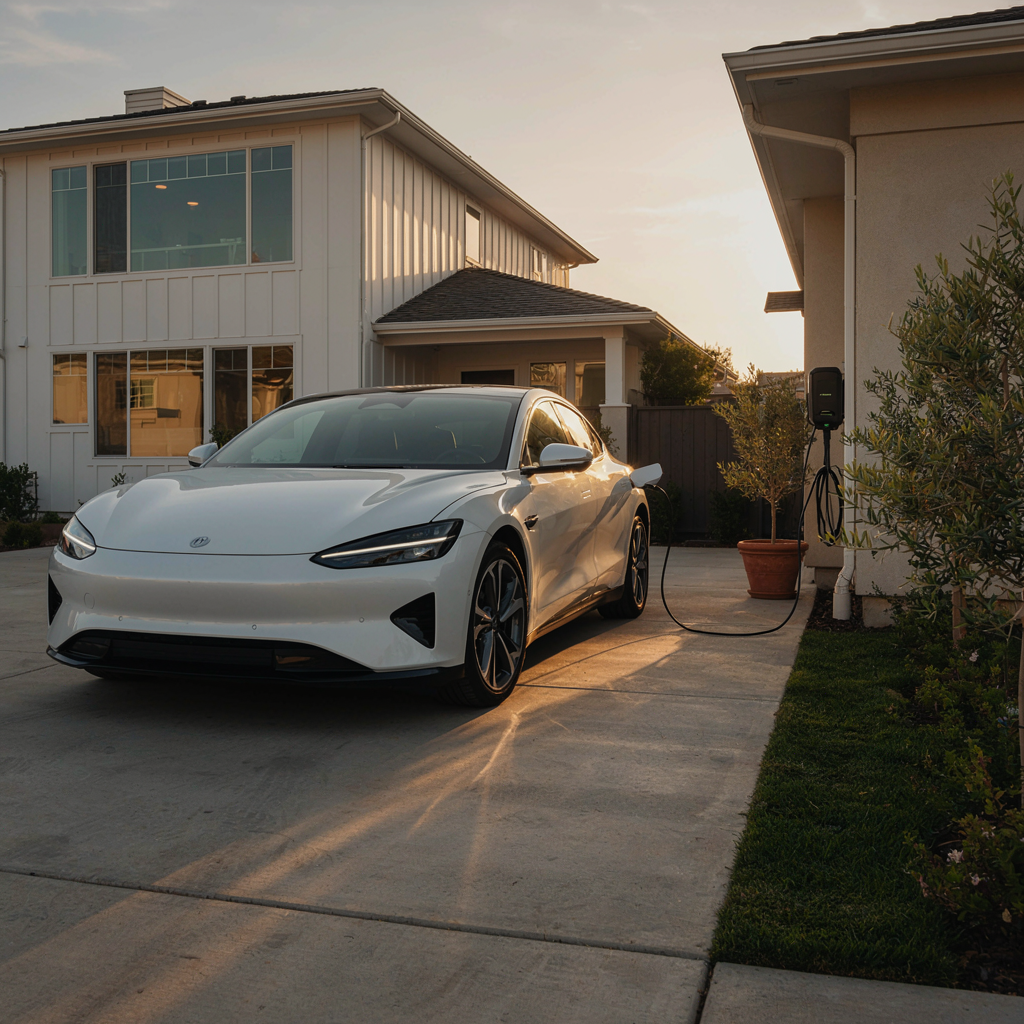
What Makes an EV a Good Long-Term Purchase? It comes down to much more than choosing electricity over gasoline. A good electric vehicle should make financial sense, remain dependable as it ages, meet your everyday driving needs, and continue delivering a satisfying ownership experience years after the initial purchase.
For many drivers, it is a much bigger question: Will this EV still feel like a smart purchase five, eight, or even ten years from now?
That is the question worth asking before getting distracted by horsepower, touchscreen size, acceleration numbers, or the latest technology.
A good long-term EV purchase should fit your everyday driving needs today while remaining practical as your circumstances change.
It should have a dependable battery system, sensible charging capability, reasonable operating costs, useful range, strong safety equipment, accessible service, and software that does not become frustrating after a few years.
At Engine Saga, we look at long-term ownership from a practical driver’s perspective. A vehicle can look impressive on a showroom floor and still become inconvenient once the novelty disappears.
The better question is whether the vehicle continues to make sense after thousands of ordinary miles, changing weather, repeated charging sessions, tire replacements, software updates, and years of daily use.
Here is what separates a genuinely good long-term EV purchase from one that only looks attractive on paper.
1. The Right Range Matters More Than the Biggest Range
Range is one of the first numbers shoppers compare, but maximum range is not automatically the best measure of long-term value.
Think about how you actually drive.
If your regular commute is short and you have convenient home charging, an EV with moderate range may be perfectly adequate. Spending substantially more for a larger battery may not deliver meaningful value.
On the other hand, someone who regularly drives between cities may benefit from a larger battery and a more efficient drivetrain.
The important thing is having enough usable range for your routine without constantly operating at the edge of the battery.
Cold weather, high speeds, hills, heavy loads, traffic, air conditioning, and heating can all affect real-world energy consumption. A vehicle that barely covers your normal route under ideal conditions may become stressful over time.
A good long-term EV gives you a comfortable buffer.
2. Battery Health Is a Long-Term Priority
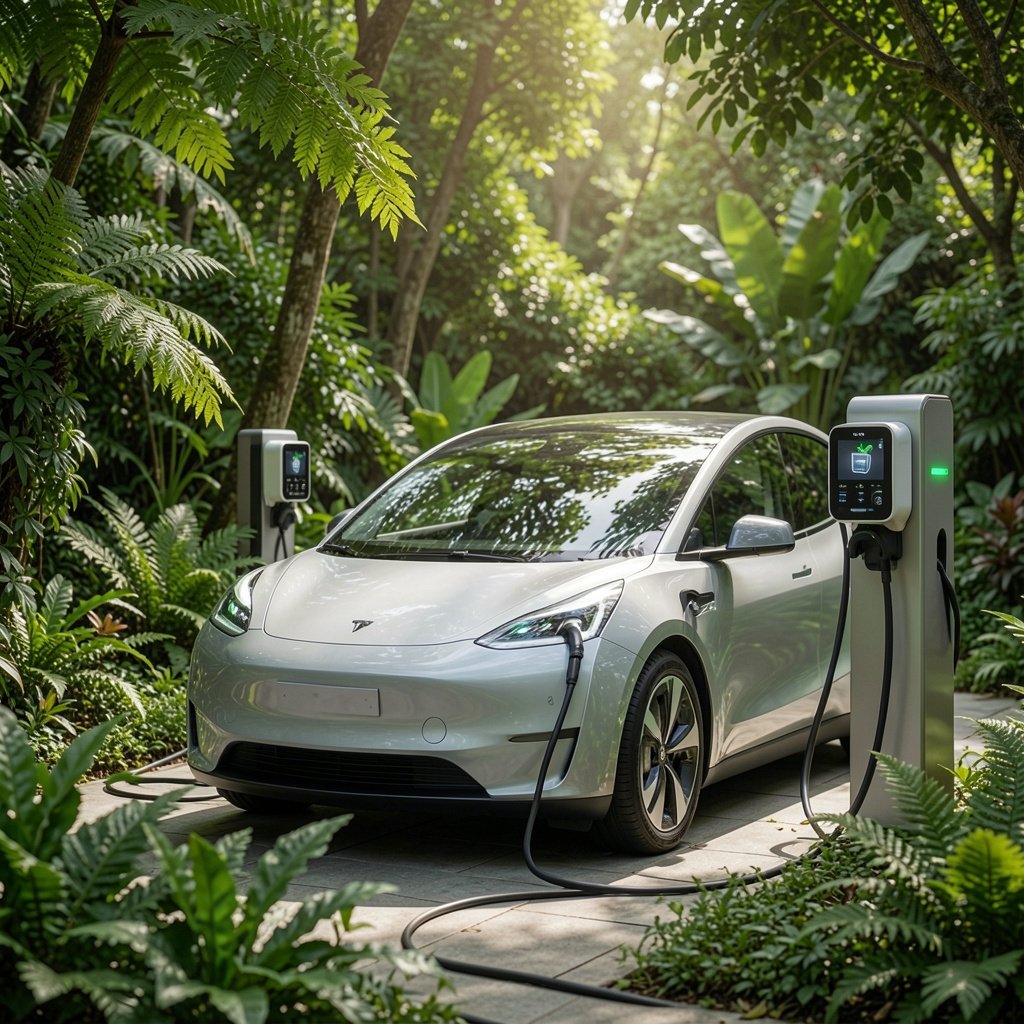
The battery is arguably the most important component to evaluate when considering long-term EV ownership.
Modern EV batteries are engineered for years of use, but battery performance can still change gradually with age, mileage, temperature exposure, charging patterns, and other operating conditions.
That does not mean buyers should be afraid of battery degradation.
Instead, it means battery management deserves more attention than it receives during many purchasing decisions.
Look for an EV with:
- A well-established battery platform
- Effective thermal management
- A strong battery warranty
- Clear charging recommendations
- Accessible battery-health information
- A manufacturer with a credible long-term support strategy
Battery chemistry and thermal-management design can matter more to long-term ownership than simply knowing the battery’s capacity.
A slightly smaller battery in an efficient, well-managed vehicle can make more sense than a huge battery paired with poor efficiency.
3. Charging Convenience Can Make or Break Ownership
A vehicle may have excellent range and still become frustrating if charging is inconvenient.
For long-term ownership, consider where you will charge most often.
Home charging is usually the most convenient option for drivers who have access to it. Plugging in overnight can turn charging into a routine rather than an extra errand.
But public charging capability still matters.
Before buying, consider:
- AC charging capability
- DC fast-charging capability
- Charging speed
- Charging-curve behavior
- Availability of compatible chargers along your regular routes
- Charging-network reliability
- Connector compatibility
- Ease of finding and paying for charging
A good long-term EV should not force you to plan your entire life around charging.
The best setup is one where charging naturally fits into routines you already have.
4. Efficiency Is an Underrated Long-Term Advantage
Two EVs can have similar battery sizes and dramatically different real-world efficiency.
That difference matters.
A more efficient EV can travel farther using the same amount of stored energy. Over years of ownership, that can translate into fewer charging stops and lower electricity consumption.
Efficiency also becomes especially useful when conditions are less favorable.
Instead of focusing exclusively on battery capacity, look at the relationship between battery size, vehicle weight, aerodynamics, motor efficiency, tires, and real-world consumption.
This is one reason we prefer evaluating EVs beyond the specification sheet.
The largest battery is not always the smartest battery.
5. Software Support Should Be Part of Your Purchase Decision
Software has become a major part of modern EV ownership.
Your vehicle may rely on software for charging controls, battery management, navigation, driver-assistance features, climate settings, smartphone connectivity, and vehicle diagnostics.
That makes long-term software support important.
Before buying, find out how the manufacturer handles updates.
Ask:
- Are updates delivered over the air?
- How long is software support expected to continue?
- Does the manufacturer regularly improve existing vehicles?
- Are important functions dependent on a smartphone app?
- What happens if connected services change later?
- Can essential vehicle functions still operate without an internet connection?
A vehicle that receives meaningful updates over time can remain useful longer than one whose technology becomes obsolete quickly.
But software should enhance the vehicle rather than control every basic function.
6. Physical Controls Still Have Long-Term Value
Large touchscreens look modern, but long-term usability is another matter.
Climate controls, windshield defrosting, headlights, wipers, and other frequently used functions should remain intuitive.
This becomes especially important as the vehicle ages.
A good long-term EV is not necessarily the one with the most screens. It is the one you can operate comfortably without constantly searching through menus.
We always recommend spending enough time inside a vehicle before buying it. Sit in the driver’s seat, adjust the controls, try the climate system, inspect visibility, and test the interface.
Technology should make ownership easier, not more complicated.
7. Warranty Coverage Matters More Than Many Buyers Realize
A long-term purchase deserves careful attention to warranty terms.
Do not look only at the headline warranty duration. Understand what is actually covered.
Pay particular attention to:
- Battery warranty
- Battery-capacity coverage
- Electric motor coverage
- Charging equipment
- High-voltage components
- Corrosion coverage
- General vehicle warranty
- Roadside assistance
Battery warranties can have specific conditions regarding capacity retention and other factors.
Read the actual warranty documentation before purchasing.
A strong warranty does not guarantee that nothing will go wrong, but it can reduce financial uncertainty during the ownership period.
8. Service Availability Is a Long-Term Advantage
One of the biggest mistakes buyers can make is assuming an EV does not require maintenance.
EVs generally have fewer moving drivetrain components than conventional gasoline vehicles, but they still require attention.
Tires, brakes, suspension components, steering systems, cabin filters, cooling systems, wipers, lights, and other components can all require service.
The question is not whether an EV needs maintenance.
The question is whether you can get that maintenance performed conveniently and affordably.
A long-term EV purchase becomes more attractive when qualified service centers are reasonably accessible and replacement parts are available.
9. Parts Availability Can Affect Ownership Costs
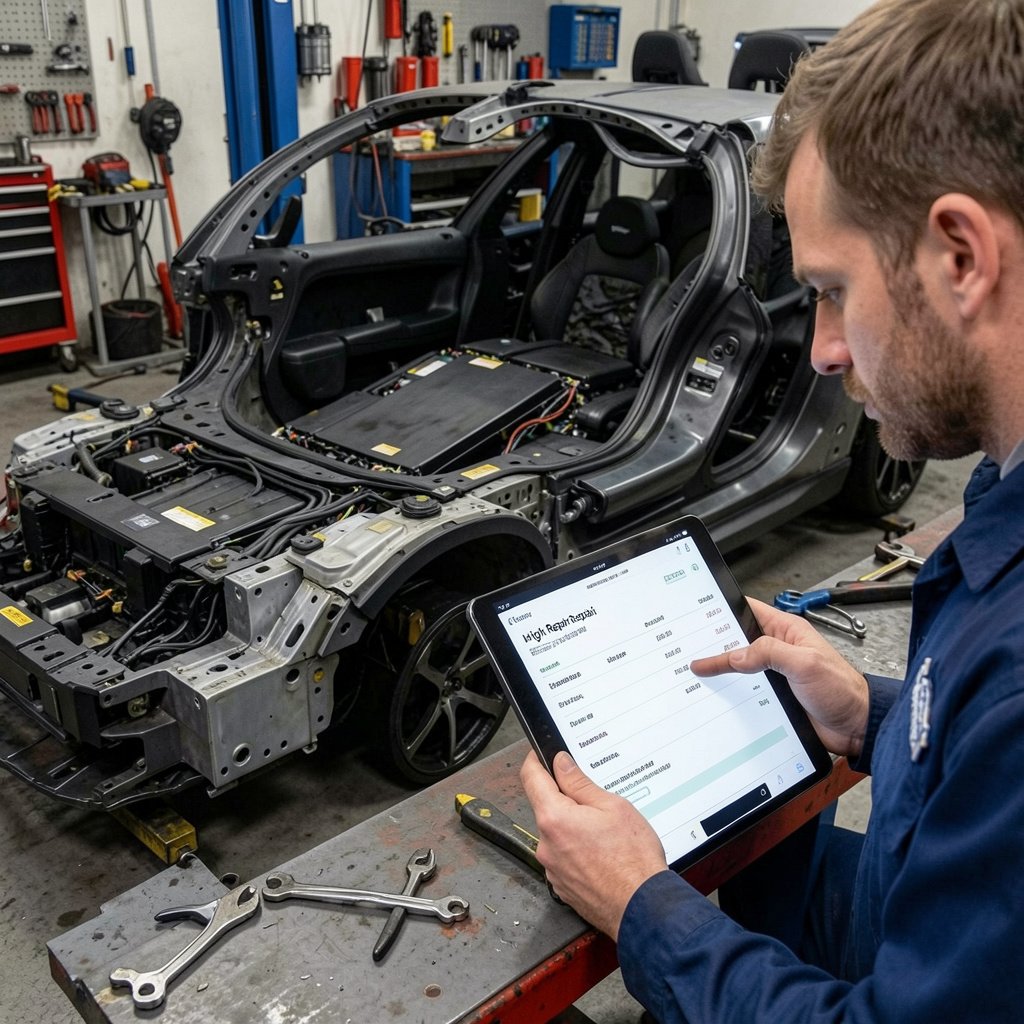
This is particularly important for vehicles from smaller or less established manufacturers.
A vehicle may be affordable to purchase but difficult to maintain if parts take months to arrive or specialized components are expensive.
Before committing to a long-term EV, research the manufacturer’s presence in your market.
Look at:
- Dealer coverage
- Service locations
- Parts availability
- Warranty support
- Recall support
- Battery-service procedures
- Availability of replacement body panels and common wear items
A long-term vehicle should have a long-term support ecosystem behind it.
10. Don’t Ignore Tire Costs
Tires are one of the most predictable ongoing expenses of EV ownership.
EVs can be relatively heavy, and instant motor torque can encourage rapid acceleration. Both factors make tire selection and driving style important.
When comparing vehicles, investigate the tire size.
Oversized wheels may look attractive, but replacement tires can be more expensive. Larger wheels can also influence ride comfort and efficiency.
For a long-term purchase, sensible wheel and tire specifications can be more valuable than aggressive styling.
Keep tire pressure correct, maintain alignment, rotate tires where appropriate, and replace worn tires before performance becomes compromised.
Small maintenance decisions can have a surprisingly large effect over years of ownership.
11. Comfort Matters More After the First Year
A vehicle can feel exciting during a 30-minute test drive and become annoying after a year.
Long-term comfort includes much more than soft seats.
Consider:
- Driving position
- Seat support
- Ride quality
- Cabin noise
- Visibility
- Steering effort
- Suspension behavior
- Storage space
- Rear-seat access
- Cargo capacity
EVs are naturally quiet, which makes tire and road noise more noticeable in some models.
If you intend to keep the vehicle for many years, comfort should be evaluated as seriously as range.
12. Practical Space Makes an EV More Future-Proof
Your current lifestyle may not be your lifestyle five years from now.
Maybe you will travel more, carry larger equipment, have children, move homes, or start using the vehicle for longer trips.
That is why practical space matters.
Look beyond the published cargo number.
Open the trunk. Fold the seats. Check the rear doors. Measure the loading height. Look for useful storage areas.
A vehicle that fits your changing needs has a better chance of remaining useful throughout ownership.
13. Safety Should Not Be Compromised for Range
Long-term value means very little if the vehicle does not provide the level of safety you expect.
Look at independent crash-test results where available and understand the vehicle’s standard safety equipment.
Driver-assistance features can be useful, but they should never be treated as substitutes for attentive driving.
Also consider visibility, braking behavior, lighting, tire performance, and the vehicle’s behavior in poor weather.
Safety technology should be evaluated as part of the entire vehicle rather than as a checklist of marketing features.
14. Real-World Driving Conditions Matter
Manufacturer specifications provide useful information, but they cannot predict exactly how every owner will use an EV.
A vehicle’s real-world performance can change with:
- Temperature
- Speed
- Traffic
- Terrain
- Passenger weight
- Tire pressure
- Wind
- Heating and air conditioning
- Driving style
This is why our Engine Saga approach focuses on practical use.
An EV that looks excellent under ideal conditions may perform differently during a busy commute, winter trip, highway run, or stop-and-go city drive.
Before buying, try to understand how the vehicle performs in conditions similar to your own.
15. Depreciation Is Part of Long-Term Value
Purchase price is only one part of the financial equation.
Depreciation can have a major effect on ownership costs.
Predicting future resale values is difficult because EV technology is changing quickly. New battery technology, updated charging standards, incentives, market demand, and changing consumer preferences can all influence used-EV prices.
That means buyers should avoid assuming that a particular EV will automatically hold its value better than another.
Instead, focus on fundamentals:
- Strong brand support
- Reliable battery technology
- Useful range
- Good efficiency
- Desirable charging capability
- Reasonable condition
- Service availability
- Proven reliability
These characteristics can help an EV remain desirable even as newer models arrive.
16. Don’t Overpay for Features You Will Rarely Use
Long-term value often improves when you buy what you actually need.
It is easy to add thousands to the purchase price by selecting larger wheels, premium packages, advanced entertainment systems, luxury interiors, or features that sound impressive but rarely affect your daily driving.
Ask yourself one question:
Will I still care about this feature after three years?
If the answer is no, it may not deserve a large portion of your budget.
Spend more readily on things that influence daily ownership, such as battery capacity, charging capability, efficiency, safety, comfort, and service support.
17. A Good EV Should Fit Your Charging Lifestyle
Your charging situation should influence your vehicle choice as much as your driving range.
If you have reliable home charging, a moderate-range EV can be extremely convenient.
If you live somewhere without easy access to charging, public-charging capability becomes much more important.
If you frequently travel long distances, charging speed and route coverage should move higher on your priority list.
There is no universally perfect EV.
There is only an EV that fits your circumstances better than another.
18. Look at the Total Cost, Not Just the Sticker Price
A long-term purchase should be evaluated using total ownership cost.
Consider:
Purchase price + financing + charging costs + insurance + tires + maintenance + repairs − resale value = approximate ownership cost.
The calculation will vary from driver to driver.
Electricity rates differ. Insurance costs differ. Driving distances differ. Tire replacement intervals differ.
That is why broad claims such as “EVs always cost X amount less” should be treated carefully.
Your own annual mileage and charging situation provide a much better basis for comparison.
19. Reliability History Beats Hype
One of the strongest long-term indicators is how a vehicle actually performs after owners have accumulated meaningful mileage.
Look beyond launch-day reviews.
Search for information about:
- Recurring mechanical problems
- Software bugs
- Charging issues
- Battery concerns
- Suspension problems
- Recall history
- Parts delays
- Warranty experiences
A new vehicle may have impressive specifications, but a proven platform can sometimes be a safer long-term bet.
That does not mean new EVs should be avoided. It simply means buyers should understand the difference between promising technology and demonstrated durability.
20. The Best Long-Term EV Is the One You Won’t Outgrow Quickly
Ultimately, long-term value is about balance.
A good EV should provide enough range without carrying unnecessary battery weight. It should charge conveniently without making every trip a planning exercise. It should have modern technology without becoming dependent on gimmicks. It should be comfortable enough for daily driving and practical enough for changing needs.
Most importantly, it should fit the way you actually live.
At Engine Saga, that is the standard we prefer: buy for your real life, not for the specification sheet.
A vehicle that perfectly matches your daily needs can remain satisfying for years, even after newer models arrive.
Final Thoughts
What makes an EV a good long-term purchase is not one spectacular feature. It is the combination of battery durability, useful range, efficient energy consumption, convenient charging, reasonable maintenance, strong safety, software support, service availability, practical space, and manageable ownership costs.
The smartest buyer looks beyond today’s excitement.
Before purchasing, ask where you will charge, how far you normally drive, how the vehicle performs in your climate, what battery warranty is included, where it can be serviced, how expensive its tires are, and whether its technology will remain useful as the vehicle ages.
Do not automatically choose the biggest battery or the longest feature list.
Choose the EV that solves your everyday transportation needs with the least ongoing friction.
That is what creates genuine long-term value.
Frequently Asked Questions
1. What makes an EV a good long-term purchase?
A good long-term EV combines dependable battery technology, practical real-world range, efficient energy use, convenient charging, strong warranty coverage, reasonable maintenance costs, accessible service, useful safety features, and enough space to remain practical as your needs change.
2. How long can an EV battery last?
An EV battery is designed for many years of service, although its capacity can gradually decline with age and use. Actual longevity depends on battery chemistry, thermal management, charging behavior, climate, mileage, and vehicle design.
3. Is buying an EV worth it for long-term ownership?
An EV can be an excellent long-term purchase when its range, charging options, electricity costs, service availability, and driving requirements match the owner’s lifestyle. The financial benefit varies depending on mileage, energy prices, insurance, and purchase price.
4. Should I prioritize range or charging speed when buying an EV?
Neither should automatically win. Drivers with convenient home charging may benefit more from sufficient range, while frequent road-trippers may value fast charging and reliable charging access. The better choice depends on your driving pattern.
5. What should I check before buying an EV for long-term ownership?
Check battery warranty coverage, charging capability, real-world range, efficiency, service availability, parts support, tire costs, software support, safety ratings, expected maintenance, insurance costs, and the vehicle’s practicality for your future needs.
You might also like the following…
- 5 Proven Benefits of Electric Car Brake Service
 Electric car brake service is an important part of maintaining an electric vehicle, even though EVs often need brake pad replacements less frequently than gasoline-powered cars. Thanks to regenerative braking, electric cars can reduce friction-brake… Read more: 5 Proven Benefits of Electric Car Brake Service
 - 10 Essential Tips to Inspect Before a Long EV Road Trip Safely
 Planning a long electric vehicle road trip involves more than charging the battery to 100% and entering a destination into your navigation system. Before leaving home, it is worth checking your tires, brakes, charging equipment,… Read more: 10 Essential Tips to Inspect Before a Long EV Road Trip Safely
 - How to Avoid Wasting Money on Trendy EV Add-Ons
 How to Avoid Wasting Money on Trendy EV Add-Ons is becoming an important question for EV owners. Once you buy an electric vehicle, it is surprisingly easy to keep spending money on products that promise… Read more: How to Avoid Wasting Money on Trendy EV Add-Ons