
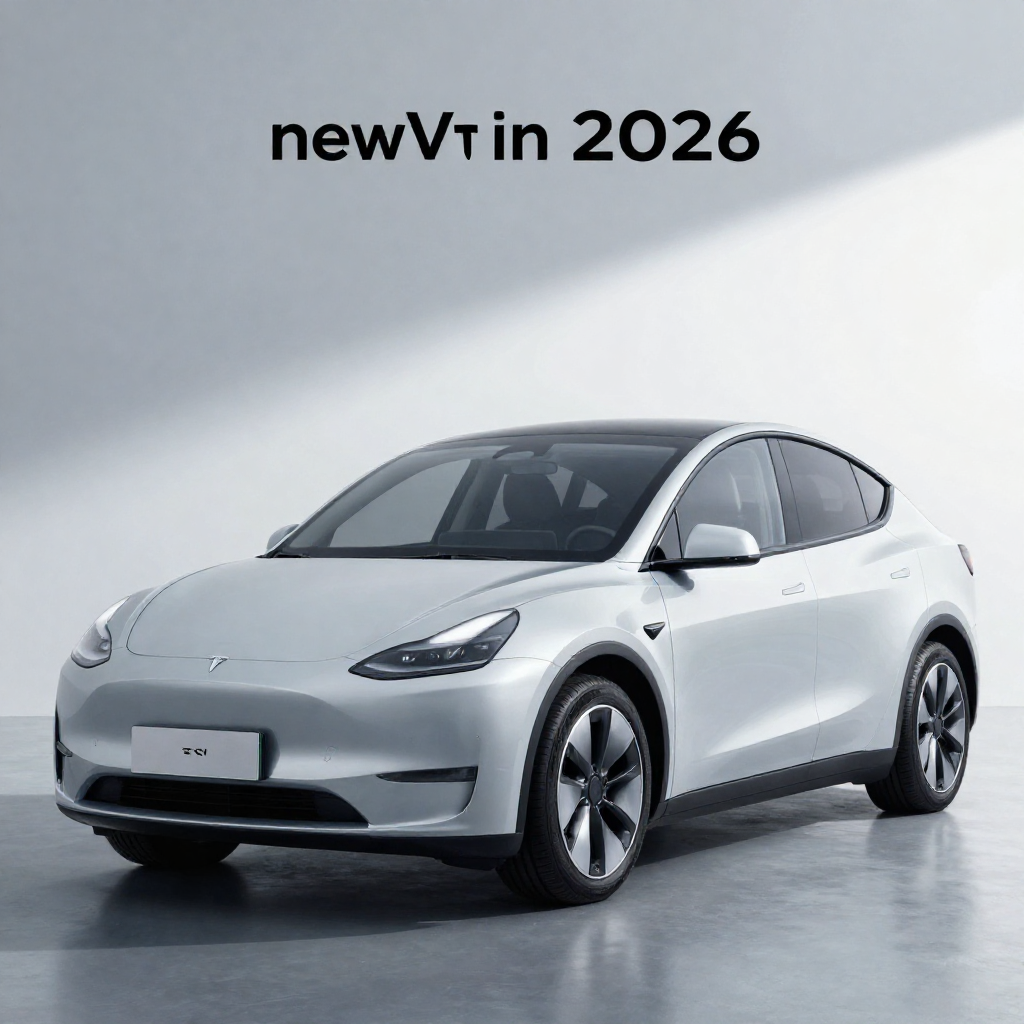
The electric vehicle (EV) market has matured rapidly over the past few years, giving buyers more choices than ever before. Are New EVs or Used EVs Better Value in 2026? It’s a question many first-time EV buyers and experienced motorists are asking as technology improves, battery life becomes more reliable, and the used EV market continues to expand. While a brand-new electric vehicle offers the latest innovations and full warranty coverage, a used EV can provide impressive savings without sacrificing everyday practicality.
The best value depends on your budget, driving habits, and long-term ownership goals.
At Engine Saga, we’ve spent years testing vehicles, following industry trends, and speaking with real EV owners. One thing has become clear: value isn’t determined by price alone.
Factors such as battery health, depreciation, charging needs, maintenance costs, software support, and resale potential all play an important role in deciding whether a new or used EV is the smarter purchase in 2026.
In this comprehensive guide, we’ll compare new and used electric vehicles across every major category to help you make an informed decision. Whether you’re buying your first EV or replacing your current vehicle, this comparison will show which option delivers the best value for your lifestyle.
Why More Buyers Are Considering EVs in 2026
Electric vehicles are no longer considered niche products. They have become a mainstream choice thanks to improved battery technology, expanding charging infrastructure, longer driving ranges, and increased model availability.
In 2026, buyers can choose from affordable city hatchbacks, family-friendly crossovers, premium sedans, and high-performance SUVs.
This wider selection has also created a healthy used EV market, allowing shoppers to find reliable electric vehicles at significantly lower prices than just a few years ago.
As more manufacturers compete in the EV space, consumers benefit from better technology, stronger warranties, and more competitive pricing across both new and used markets.
Understanding the Difference Between New and Used EVs
Before comparing value, it’s important to understand what separates a new EV from a used one.
A new EV is purchased directly from a dealership or manufacturer with zero previous ownership. It comes with the latest hardware, current software, full factory warranties, and untouched battery performance.
A used EV has already been owned by one or more drivers. While it may have accumulated mileage and some battery degradation, many used EVs still offer excellent performance, especially if they have been well maintained.
The decision isn’t simply about buying new or old. It’s about balancing upfront savings against long-term benefits.
Purchase Price: Where Used EVs Have the Advantage
Price is often the first factor buyers consider.
New electric vehicles carry a premium because they include the latest technology, improved safety systems, and manufacturer warranties. Depending on the model, buyers may also pay extra for optional battery sizes, premium interiors, or advanced driver-assistance features.
Used EVs are typically far more affordable because electric vehicles experience significant depreciation during their first few years of ownership. This allows second-hand buyers to purchase higher-spec models at a much lower price.
For budget-conscious shoppers, a used EV can provide exceptional value while still delivering modern electric driving.
Purchase Price Comparison
| Factor | New EV | Used EV |
| Initial Cost | Higher | Lower |
| Financing | Easier | Varies |
| Manufacturer Incentives | Often Available | Limited |
| Immediate Savings | Low | High |
Depreciation: A Hidden Opportunity
Depreciation is one of the biggest costs of vehicle ownership.
Like most cars, new EVs lose a portion of their value during the first few years. Although depreciation rates vary by brand and demand, the largest value drop usually occurs soon after purchase.
This works in favor of used EV buyers. Someone purchasing a three- or four-year-old electric vehicle often avoids the steepest depreciation while still receiving a vehicle with many years of useful battery life remaining.
For buyers focused on long-term value rather than owning the latest model, depreciation can make used EVs particularly attractive.
Battery Health: The Biggest Concern for Used EV Buyers
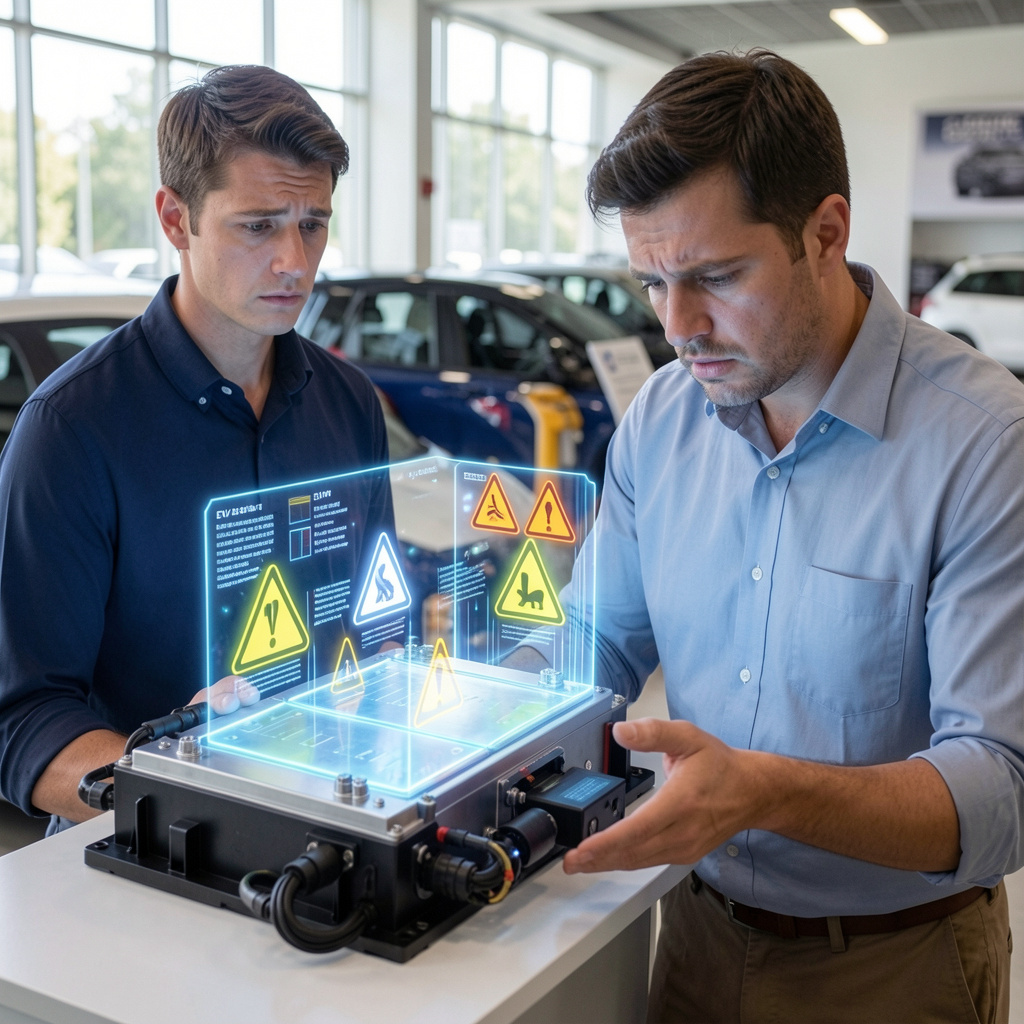
Battery condition is often the first question people ask when shopping for a used electric vehicle.
Fortunately, modern lithium-ion batteries are designed to last much longer than many early buyers expected. Most retain a high percentage of their original capacity after years of regular use, especially when charged and maintained properly.
Battery degradation occurs gradually rather than suddenly. A well-maintained EV with moderate mileage can still provide excellent daily driving range.
When evaluating a used EV, buyers should check:
- Battery health report
- Remaining battery warranty
- Charging history
- Service records
- Previous accident history
- Average driving range
These details provide a much clearer picture than mileage alone.
Technology and Features
Technology evolves quickly, and this is where new EVs usually hold a clear advantage.
Manufacturers continue to improve battery efficiency, charging speeds, infotainment systems, driver-assistance features, and software capabilities each year.
Buying new gives you access to:
- Latest battery chemistry
- Faster DC charging
- Improved heat pumps
- Better energy management
- Advanced safety technology
- Larger infotainment displays
- New software updates
- Enhanced driver assistance
However, many used EVs built within the last three to five years still include features such as adaptive cruise control, smartphone integration, navigation, wireless updates, and comprehensive safety systems.
Unless cutting-edge technology is your top priority, a recent used EV may still meet all your daily needs.
Driving Range Comparison
One of the biggest improvements in modern electric vehicles is driving range.
New EVs generally offer the longest ranges thanks to larger batteries and improved efficiency.
Many current models comfortably exceed 300 miles (480 km) on a single charge under ideal conditions.
Used EVs may have slightly shorter ranges due to battery degradation or older battery technology. However, many still provide more than enough range for daily commuting, shopping, school runs, and weekend travel.
If your daily driving rarely exceeds 50 to 100 miles, even an older EV may comfortably meet your needs.
Real-World Range Comparison
| Category | New EV | Used EV |
| Average Range | Excellent | Very Good |
| Battery Efficiency | Latest | Slightly Older |
| Long-Distance Travel | Excellent | Good to Excellent |
| Daily Commuting | Excellent | Excellent |
Warranty Coverage
Warranty protection remains one of the strongest reasons to purchase a new EV.
New electric vehicles include comprehensive factory warranties covering the vehicle, battery, and major electrical components. This reduces financial risk during the early years of ownership.
Many used EVs still retain part of their original battery warranty, depending on their age and mileage.
Buyers should always verify the remaining warranty before making a purchase, as battery coverage can provide valuable peace of mind.
Charging Experience
Both new and used EVs can be charged at home or using public charging networks, but newer models often support faster charging speeds and improved charging efficiency.
If you primarily charge overnight at home, the difference may be minimal. However, drivers who frequently travel long distances may appreciate the reduced charging times offered by the latest EV technology.
Maintenance and Running Costs
One of the biggest advantages of owning any electric vehicle is the reduced maintenance compared to a traditional gasoline or diesel car. Since EVs have fewer moving parts, there is no need for engine oil changes, spark plug replacements, timing belts, or exhaust system repairs.
However, there are still some differences in ownership costs between new and used EVs.
A new EV typically requires very little maintenance during its first few years. The vehicle is covered by a factory warranty, and components are brand new, reducing the likelihood of unexpected repairs. Scheduled maintenance usually involves tire rotations, brake inspections, cabin air filter replacements, and software updates.
Used EVs can also be economical to maintain, especially if they have a well-documented service history.
However, older models may eventually require suspension work, tire replacements, or repairs to non-battery components such as climate control systems, door mechanisms, or infotainment hardware.
Overall, maintenance costs remain significantly lower than those of comparable internal combustion engine (ICE) vehicles, making both new and used EVs attractive long-term investments.
Running Cost Comparison
| Ownership Cost | New EV | Used EV |
| Routine Maintenance | Very Low | Low |
| Repair Risk | Very Low | Moderate |
| Electricity Cost | Low | Low |
| Brake Wear | Low | Low |
| Tire Replacement | Normal | Depends on Condition |
Insurance Costs
Insurance is another factor that can influence the overall value of an electric vehicle.
New EVs generally cost more to insure because they have higher replacement values and often include advanced technology that can be expensive to repair after an accident.
Premium trims with larger batteries and sophisticated driver-assistance systems may further increase insurance costs.
Used EVs are often less expensive to insure because their market value has declined over time. However, insurance premiums still vary based on the vehicle’s age, repair costs, location, driving history, and available safety features.
Before making a purchase, it’s always worth obtaining insurance quotes for both a new and used model to understand the total cost of ownership.
Resale Value and Long-Term Investment
Depreciation is unavoidable, but some EVs retain their value better than others.
A new EV experiences the largest depreciation during the first few years of ownership. Buyers who plan to keep their vehicle for many years may not be concerned by this initial value drop, especially if they benefit from the latest technology and warranty coverage.
Used EVs have already undergone much of their depreciation, which means they often lose value more gradually.
This can make them a better financial choice for buyers who expect to sell or trade in the vehicle within a few years.
Factors that help maintain resale value include:
- Strong battery health
- Reliable service history
- Software updates
- High-demand models
- Competitive driving range
- Well-maintained interior and exterior condition
Environmental Impact: Buying New vs. Buying Used
Many people choose electric vehicles to reduce their environmental footprint, but should sustainability influence your decision between a new and used EV?
Purchasing a new EV supports the adoption of cleaner transportation and often provides access to the latest battery technologies, which can improve efficiency and reduce energy consumption.
However, manufacturing a new vehicle requires raw materials, energy, and transportation, all of which contribute to its initial environmental impact.
Buying a used EV extends the lifespan of an existing vehicle, helping to reduce waste and maximize the resources already invested in its production. From a sustainability perspective, keeping an electric vehicle on the road for longer is often one of the most environmentally responsible choices.
If reducing your carbon footprint is a priority, a well-maintained used EV can be just as meaningful as purchasing a new one.
Who Should Buy a New EV?
A new EV is the better option if you:
- Want the latest battery technology and longest driving range.
- Prefer full manufacturer warranty coverage.
- Value advanced safety systems and modern infotainment features.
- Plan to keep the vehicle for many years.
- Want complete confidence in the vehicle’s maintenance history.
- Can comfortably afford the higher upfront cost.
New EVs are especially suitable for drivers who prioritize reliability, cutting-edge technology, and long-term ownership.
Who Should Buy a Used EV?
A used EV is an excellent choice if you:
- Have a limited budget.
- Want to avoid steep first-year depreciation.
- Primarily drive short to moderate daily distances.
- Are comfortable reviewing battery health reports and service records.
- Want premium features at a lower price.
- Prefer getting the best overall value for your money.
For many buyers in 2026, a carefully selected used EV provides an outstanding balance between affordability and everyday performance.
Common Mistakes to Avoid When Buying an EV
Whether purchasing new or used, avoiding a few common mistakes can save you money and frustration.
1. Focusing Only on Purchase Price
A lower price does not always mean better value. Consider insurance, charging costs, maintenance, depreciation, and resale value.
2. Ignoring Battery Health
For used EVs, always request a battery health report and verify the remaining battery warranty.
3. Overestimating Your Range Needs
Many buyers assume they need the longest possible range, but most daily commutes require far less than modern EVs already provide.
4. Forgetting Charging Availability
Consider where you’ll charge your vehicle at home, at work, or using public charging stations and choose an EV that matches your charging habits.
5. Skipping a Vehicle History Check
When buying used, review accident history, maintenance records, and ownership details before making a final decision.
Final Verdict: Are New EVs or Used EVs Better Value in 2026?
There is no one-size-fits-all answer because the best value depends on your priorities.
If you want the latest technology, maximum range, comprehensive warranty protection, and the peace of mind that comes with a brand-new vehicle,
a new EV is worth the higher investment. It delivers the best ownership experience for drivers who plan to keep their vehicle for many years.
However, if your goal is to maximize value, reduce upfront costs, and avoid the steepest depreciation, a used EV is often the smarter financial choice.
Modern electric vehicles are proving to be durable and reliable, meaning many used models still have years of dependable service ahead of them.
At Engine Saga, our experience suggests that buyers should focus less on whether an EV is new or used and more on choosing a vehicle that fits their driving habits, budget, and long-term expectations.
A well-maintained used EV can offer exceptional value, while a new EV provides unmatched peace of mind and access to the latest innovations. The best purchase is the one that aligns with your lifestyle not simply the newest or least expensive option.
Frequently Asked Questions (FAQs)
1. Is it worth buying a used electric vehicle in 2026?
Yes. A quality used EV can provide excellent value in 2026, especially if it has a healthy battery, a documented service history, and remaining warranty coverage. Many used EVs still offer enough range and modern features for everyday driving while costing significantly less than comparable new models.
2. How much battery degradation should I expect in a used EV?
Battery degradation varies depending on age, mileage, climate, and charging habits, but most modern EV batteries retain a large percentage of their original capacity after several years. Reviewing a battery health report before purchase is the best way to understand its remaining performance.
3. Are new EVs cheaper to maintain than used EVs?
New EVs usually require less maintenance during the first few years because all components are new and covered by manufacturer warranties. Used EVs remain relatively inexpensive to maintain compared to gasoline vehicles, but older models may occasionally need repairs outside normal maintenance schedules.
4. What should I check before buying a used electric vehicle?
Inspect the battery health report, remaining battery warranty, charging history, service records, software updates, accident history, and overall vehicle condition. Taking these steps helps ensure you purchase a reliable EV with strong long-term value.
5. Which offers better long-term value: a new EV or a used EV?
For buyers seeking the latest technology and long-term ownership, a new EV offers outstanding value. For shoppers focused on affordability and avoiding early depreciation, a well-maintained used EV often delivers the better financial return while still providing an excellent driving experience.
You might also like the following…
- 5 Proven Benefits of Electric Car Brake Service
 Electric car brake service is an important part of maintaining an electric vehicle, even though EVs often need brake pad replacements less frequently than gasoline-powered cars. Thanks to regenerative braking, electric cars can reduce friction-brake… Read more: 5 Proven Benefits of Electric Car Brake Service
 - 10 Essential Tips to Inspect Before a Long EV Road Trip Safely
 Planning a long electric vehicle road trip involves more than charging the battery to 100% and entering a destination into your navigation system. Before leaving home, it is worth checking your tires, brakes, charging equipment,… Read more: 10 Essential Tips to Inspect Before a Long EV Road Trip Safely
 - How to Avoid Wasting Money on Trendy EV Add-Ons
 How to Avoid Wasting Money on Trendy EV Add-Ons is becoming an important question for EV owners. Once you buy an electric vehicle, it is surprisingly easy to keep spending money on products that promise… Read more: How to Avoid Wasting Money on Trendy EV Add-Ons