
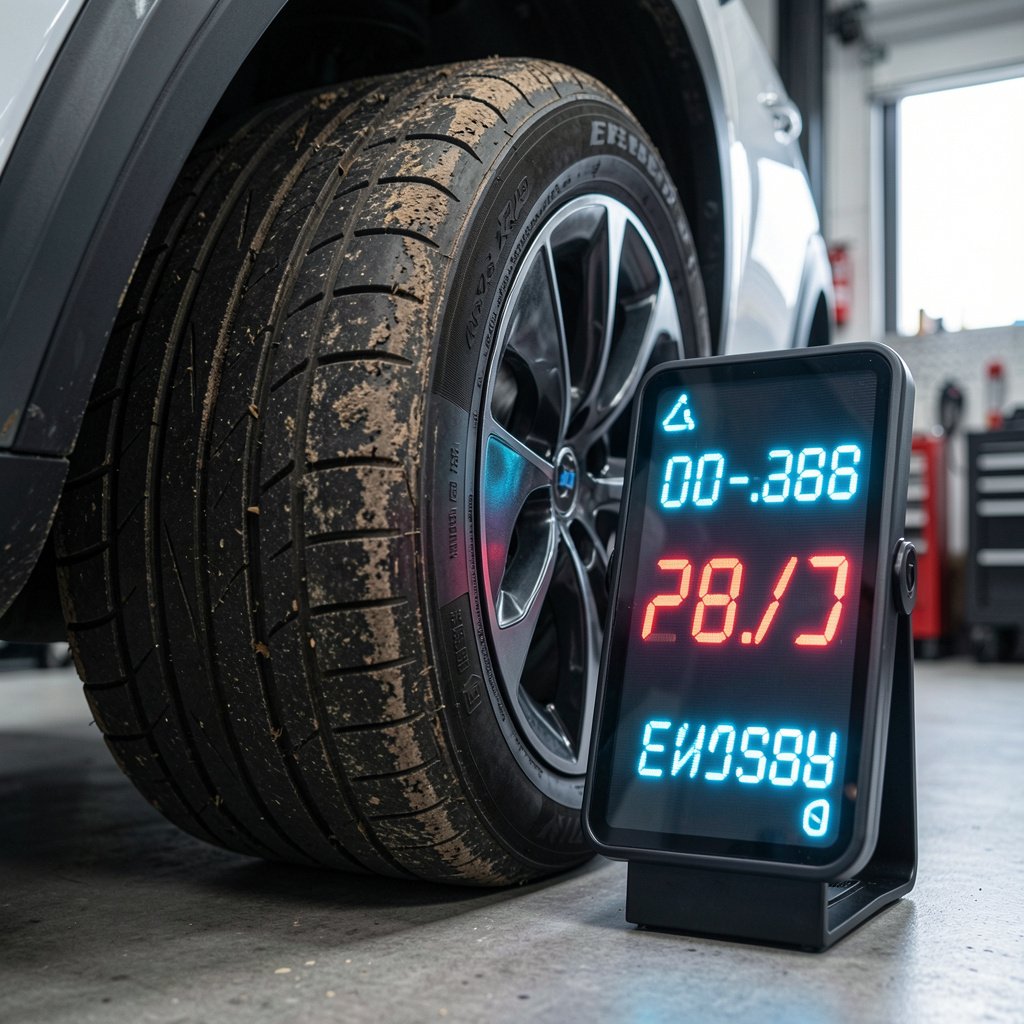
How Tire Wear Changes the True Cost of EV Ownership is a question more EV buyers should ask before looking only at electricity savings and reduced routine maintenance. Electric vehicles can be efficient and economical to operate, but tires are one ownership expense that can quietly become more important over time.
EVs bring instant torque, substantial battery weight, regenerative braking, and often impressive acceleration. Those characteristics make electric driving enjoyable, but they can also change how quickly tires wear.
The result is simple: a vehicle that appears inexpensive to operate on paper may have higher tire costs than a buyer initially expects.
At Engine Saga, we believe the real cost of owning an EV becomes clearer when you look at what happens after the first few months.
We have spent years evaluating vehicles from a practical rider’s perspective, and tires are one of those everyday details that can tell you a lot about how a vehicle is being used.
The good news is that faster tire wear is not inevitable. Driving style, tire selection, inflation, alignment, road conditions, vehicle weight, and maintenance habits all influence how long a set of tires lasts.
Let’s break down what EV owners should know.
Why Tires Matter More to EV Ownership Costs
When people calculate EV ownership costs, they usually start with electricity.
They compare the cost of charging an EV with the cost of gasoline for a comparable vehicle. Then they consider fewer engine-related maintenance requirements.
Those calculations can be useful, but they do not tell the complete story.
Tires are a consumable component. Eventually, every vehicle needs them replaced. The difference is that an EV’s characteristics can influence how quickly that replacement arrives.
A small difference in tire life can become significant over several years.
For example, replacing tires once during ownership is very different from replacing them several times because of aggressive driving, poor alignment, heavy loads, or unsuitable tire selection.
This is why tire wear belongs in any realistic EV ownership-cost calculation.
Why EVs Can Wear Tires Faster
Several characteristics of electric vehicles can contribute to increased tire wear.
Instant Torque
An EV motor can deliver strong torque almost immediately.
That instant response is one of the things drivers love about electric vehicles. Press the accelerator and the vehicle responds without waiting for an engine to build power.
However, repeatedly using hard acceleration places additional stress on the tires.
Wheelspin may not always be obvious, particularly when traction control intervenes quickly. Even without dramatic wheelspin, aggressive acceleration can increase the rate at which the tread wears.
Vehicle Weight
Battery packs can make EVs heavier than comparable gasoline-powered vehicles.
That additional mass affects the tires because they carry the vehicle’s weight every time it moves.
Weight alone does not mean an EV will destroy its tires, but it is one factor that engineers and drivers must consider.
The combination of weight and torque is more important than either factor by itself.
Regenerative Braking
Regenerative braking changes how an EV slows down.
Instead of relying entirely on conventional friction brakes, the electric motor can help slow the vehicle while recovering some energy.
This can reduce brake-pad and rotor wear, which is a financial advantage.
But regenerative braking does not eliminate tire wear. Tires still experience forces during acceleration, cornering, and braking.
Smooth driving remains important.
Tire Size Can Affect Replacement Costs
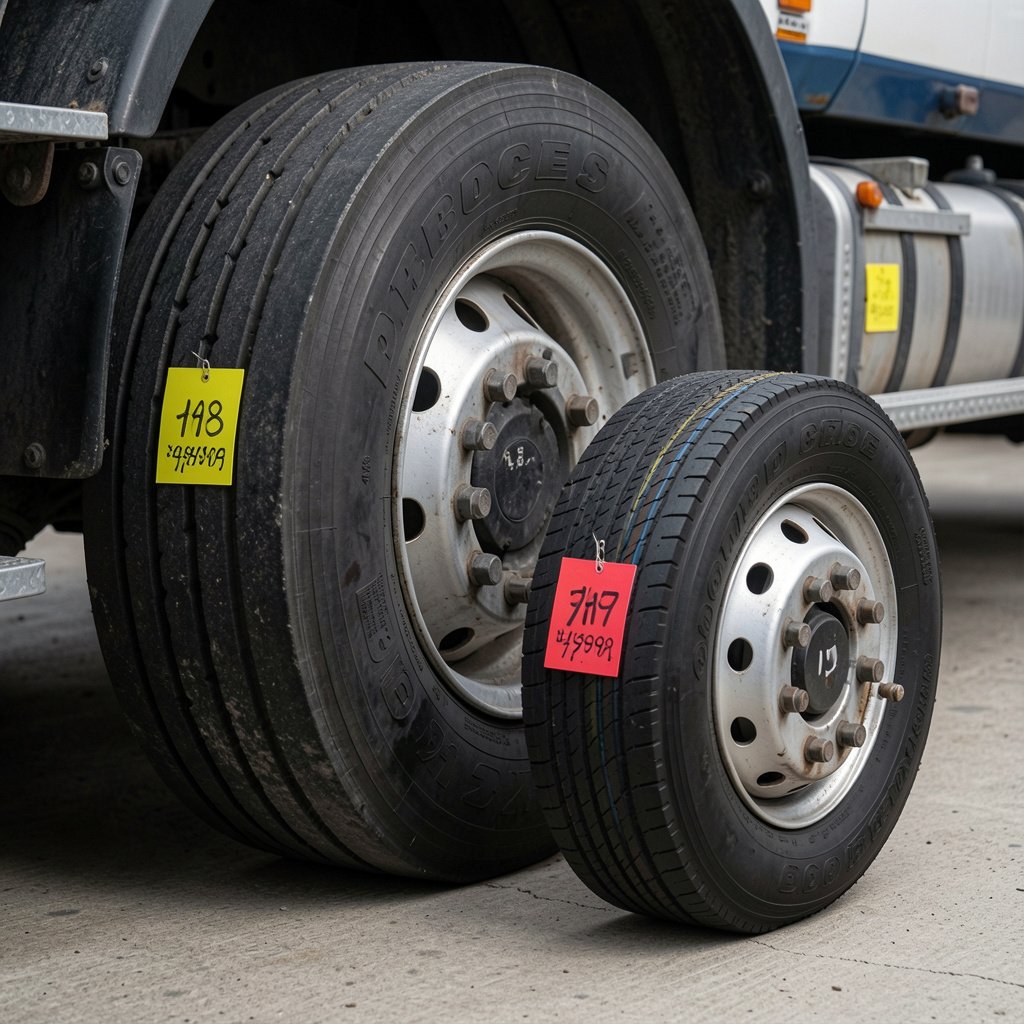
Another factor many buyers overlook is tire size.
Some EVs use relatively large wheels and low-profile tires because they complement the vehicle’s design and handling characteristics.
Large tires can look excellent and may provide responsive handling, but replacements can be considerably more expensive.
Before buying an EV, check the actual replacement cost of the factory tire size.
Do not assume that two vehicles with similar purchase prices will have similar tire expenses.
A model requiring premium, large-diameter tires may cost substantially more to keep equipped with quality rubber over several years.
EV-Specific Tires: Are They Worth It?
Some manufacturers fit tires specifically designed for EVs.
These tires may be engineered around factors such as vehicle weight, rolling resistance, noise reduction, and efficiency.
Low rolling resistance can help reduce energy consumption, potentially supporting better range.
Noise is also more noticeable in an EV because there is less engine noise masking road and tire sounds.
Choosing the right tire therefore involves more than looking at the lowest price.
A cheaper tire may save money at the time of purchase but deliver shorter tread life, higher rolling resistance, more road noise, or less predictable handling.
The right choice should balance:
- Tread life
- Wet grip
- Dry handling
- Rolling resistance
- Road noise
- Ride comfort
- Winter performance
- Price
How Tire Wear Raises the True Cost of EV Ownership
Let’s look beyond the price of a single replacement.
Imagine an EV owner pays $800 for a complete set of tires.
If those tires last 50,000 miles, the cost works out differently than if the same driver gets only 25,000 miles from them.
The purchase price is identical, but the cost per mile is twice as high in the second situation.
A simple way to think about tire cost is:
Tire cost per mile = Total tire replacement cost ÷ Miles driven on the tires
This calculation makes tire longevity easier to compare.
You can also include installation, balancing, alignment, taxes, and disposal fees for a more realistic ownership estimate.
Aggressive Driving Can Become Expensive
One of the easiest ways to increase tire costs is aggressive acceleration.
EVs make this especially tempting because acceleration can be immediate and smooth.
You do not need to drive slowly all the time. The point is to recognize that repeated hard launches have a cost.
If your normal driving style includes frequent rapid acceleration from traffic lights, tire wear can increase noticeably.
Smooth throttle inputs are generally kinder to tires and can also help reduce energy consumption.
That is a useful combination for EV owners because the same driving habit can improve both efficiency and tire longevity.
Tire Pressure Is More Important Than Many Drivers Think
Incorrect tire pressure can affect handling, efficiency, comfort, and tire wear.
Underinflation can increase rolling resistance and cause additional stress on the tire. Overinflation can alter the contact pattern and affect ride and grip.
EV drivers should check tire pressure regularly, particularly when temperatures change significantly.
Use the pressure recommended by the vehicle manufacturer rather than simply following the maximum pressure printed on the tire.
A few minutes spent checking pressure can potentially prevent premature wear and help maintain efficient operation.
Wheel Alignment Can Quietly Destroy a Set of Tires
Alignment problems are another hidden source of tire expense.
A vehicle can feel mostly normal from the driver’s seat while the tires are wearing unevenly.
Common warning signs include:
- Uneven tread wear
- Steering wheel not centered
- Vehicle pulling to one side
- Increased road noise
- Changes in handling
- Rapid wear on an inner or outer tread edge
Potholes, curbs, rough roads, and impacts can knock alignment out of specification.
This is particularly relevant for drivers who regularly travel on poor-quality urban roads.
If one tire is wearing dramatically faster than the others, do not simply replace it. Investigate why it happened.
Tire Rotation Can Extend Tire Life
Regular tire rotation can help distribute wear more evenly.
The exact rotation pattern and interval depend on the vehicle, tire configuration, and whether the tires are directional or staggered.
Always follow the manufacturer’s recommendation.
EV owners should not assume that regenerative braking eliminates the need for tire rotation.
It does not.
Tire rotation is still an important part of routine maintenance and can help you get more usable mileage from a set of tires.
Road Conditions Have a Major Influence
Not every mile is equally demanding on tires.
Smooth highway driving can produce a very different wear pattern from city driving over broken pavement.
Urban roads often involve:
- Frequent acceleration
- Frequent braking
- Tight turns
- Potholes
- Rough surfaces
- Curbs
- Heavy traffic
- Stop-and-go movement
These conditions can increase tire stress.
At Engine Saga, this is why real-world driving matters. A vehicle’s tire performance cannot be fully understood by looking at specifications alone.
The roads you actually drive on are part of the ownership equation.
Weather Can Change Tire Wear
Temperature and weather also influence tire performance.
Cold weather can reduce tire pressure, which means drivers should check pressure more frequently during seasonal changes.
Hot conditions can increase tire temperatures, especially during sustained highway driving.
Winter conditions can also require specialized tires in areas that regularly experience snow and freezing temperatures.
Using the right tire for the climate is not simply about safety. It can also help ensure predictable wear and performance.
Do Bigger Wheels Always Mean Higher Tire Costs?
Not necessarily, but they can.
Larger wheels often require larger or lower-profile tires. These can cost more to replace and may offer less sidewall protection against pothole damage.
Smaller wheels with taller sidewalls can sometimes provide a more comfortable ride and better protection against rough road impacts.
If long-term ownership cost is a priority, wheel size deserves attention during the buying process.
A vehicle’s standard wheel package may be more economical than an optional performance package.
Tire Repairability Is Another Consideration
EV owners should also understand what happens when a tire is damaged.
A puncture in the tread area may be repairable, depending on its size and location.
Sidewall damage generally requires replacement.
Some EVs use tire repair kits instead of traditional spare tires to reduce weight and preserve cargo space.
That can be convenient, but it also means drivers should understand what emergency equipment is included with the vehicle.
For longer road trips, knowing how your vehicle handles a tire failure is worth considering before you need to find out the hard way.
How to Reduce EV Tire Costs
The best way to control tire expenses is not to search for the cheapest tires.
Instead, focus on maximizing the value you receive from every set.
Drive Smoothly
Avoid unnecessary hard launches and aggressive cornering.
Smooth acceleration and braking are easier on tires and can also improve energy efficiency.
Check Tire Pressure
Make tire-pressure checks part of your regular vehicle routine.
Do not wait until a tire looks visibly low.
Maintain Alignment
Have alignment checked if you hit a significant pothole, curb, or road obstacle, especially if the steering feels different afterward.
Rotate Tires as Recommended
Regular rotation helps distribute wear and can improve the usable life of the set.
Inspect Tread Regularly
Do not wait until a dashboard warning appears.
Look for uneven wear, cracks, embedded objects, or unusual tread patterns.
Choose Tires for Your Driving Conditions
A tire designed for your climate and driving environment is generally a better long-term choice than simply buying the cheapest available option.
The Cheapest Tire Is Not Always the Cheapest Option
Price is important, but purchase price alone can be misleading.
Suppose Tire A costs $600 and lasts 25,000 miles.
Tire B costs $800 but lasts 50,000 miles.
Tire B costs more upfront, but its cost per mile is considerably lower.
That is why EV owners should evaluate tire value rather than simply tire price.
A tire that lasts longer while maintaining appropriate wet and dry performance may be the better financial choice.
How Tires Fit Into a Five-Year EV Budget
When planning a five-year ownership budget, include tires from the beginning.
A realistic budget can include:
| Expense | Why It Matters |
| Electricity | Primary EV energy cost |
| Home charging equipment | Initial charging investment |
| Insurance | Can vary significantly by model |
| Tires | Recurring consumable expense |
| Alignment | Helps prevent uneven wear |
| Tire rotation | Supports even tread wear |
| Maintenance | Includes non-powertrain items |
| Repairs | Unexpected ownership costs |
| Depreciation | Major long-term expense |
Tires may not be the largest cost on this list, but they are predictable enough that ignoring them makes your ownership estimate less accurate.
What EV Buyers Should Check Before Purchase
Before committing to an EV, take a few minutes to investigate its tire requirements.
Check the:
- Factory tire size
- Recommended tire types
- Replacement tire prices
- Typical tread-life ratings
- Wheel size
- Availability of affordable alternatives
- Seasonal tire requirements
- Warranty information
- Alignment specifications
If the vehicle has unusually expensive tires, include that cost in your purchase decision.
This is especially important for buyers who plan to keep the EV for many years.
The Bigger Picture: EV Savings Are Still Possible
It is important not to overstate the tire issue.
EVs can still offer meaningful operating advantages.
Reduced engine-related maintenance, energy efficiency, regenerative braking, and convenient home charging can all contribute to lower ownership costs.
The point is not that tires cancel out those advantages.
The point is that a realistic ownership calculation should include every recurring expense.
An EV can be economical while still requiring careful tire management.
In fact, good tire habits can reinforce the very advantages EV owners want.
Proper pressure and smooth driving can improve both tire longevity and energy efficiency.
Final Thoughts
How Tire Wear Changes the True Cost of EV Ownership is ultimately a lesson in looking beyond the obvious numbers.
Electricity costs and reduced powertrain maintenance are important advantages, but tires remain one of the most significant consumable expenses for any vehicle. EV weight, instant torque, wheel size, driving style, road conditions, tire pressure, and alignment can all influence how quickly that expense arrives.
The good news is that much of tire wear is manageable.
Choose suitable tires, maintain the correct pressure, rotate them according to the manufacturer’s schedule, keep the wheels aligned, and resist the temptation to use all of an EV’s instant torque at every traffic light.
At Engine Saga, we believe real ownership costs are found in these everyday details. A vehicle’s specification sheet tells you what it can do. Your maintenance habits determine how economically it continues doing it.
For EV owners, taking care of the tires is not just about extending tread life. It is about getting the most value from every mile.
Frequently Asked Questions
1. Do EVs wear tires faster than gasoline cars?
EVs can wear tires faster in some situations because they are often heavier and deliver instant torque. However, actual tire life depends heavily on driving style, tire selection, pressure, alignment, road conditions, and maintenance.
2. Why are EV tires sometimes more expensive?
Some EVs use larger, low-rolling-resistance, reinforced, or specially engineered tires designed to handle additional vehicle weight while maintaining efficiency and comfort. Those characteristics can increase replacement costs compared with basic tires.
3. How can I make my EV tires last longer?
Maintain the manufacturer’s recommended tire pressure, rotate tires on schedule, keep wheel alignment correct, avoid aggressive acceleration, inspect tread regularly, and select tires appropriate for your vehicle and local driving conditions.
4. Does regenerative braking reduce tire wear?
Regenerative braking mainly reduces wear on conventional brake components by allowing the electric motor to help slow the vehicle. It does not eliminate tire wear because tires still experience forces during acceleration, braking, cornering, and road impacts.
5. Should tire costs be included when calculating EV ownership costs?
Yes. Tires are a recurring consumable expense and should be included alongside electricity, insurance, maintenance, charging equipment, and depreciation. Considering tire cost per mile gives a more realistic picture of long-term EV ownership.
You might also like the following…
- 5 Proven Benefits of Electric Car Brake Service
 Electric car brake service is an important part of maintaining an electric vehicle, even though EVs often need brake pad replacements less frequently than gasoline-powered cars. Thanks to regenerative braking, electric cars can reduce friction-brake… Read more: 5 Proven Benefits of Electric Car Brake Service
 - 10 Essential Tips to Inspect Before a Long EV Road Trip Safely
 Planning a long electric vehicle road trip involves more than charging the battery to 100% and entering a destination into your navigation system. Before leaving home, it is worth checking your tires, brakes, charging equipment,… Read more: 10 Essential Tips to Inspect Before a Long EV Road Trip Safely
 - How to Avoid Wasting Money on Trendy EV Add-Ons
 How to Avoid Wasting Money on Trendy EV Add-Ons is becoming an important question for EV owners. Once you buy an electric vehicle, it is surprisingly easy to keep spending money on products that promise… Read more: How to Avoid Wasting Money on Trendy EV Add-Ons