
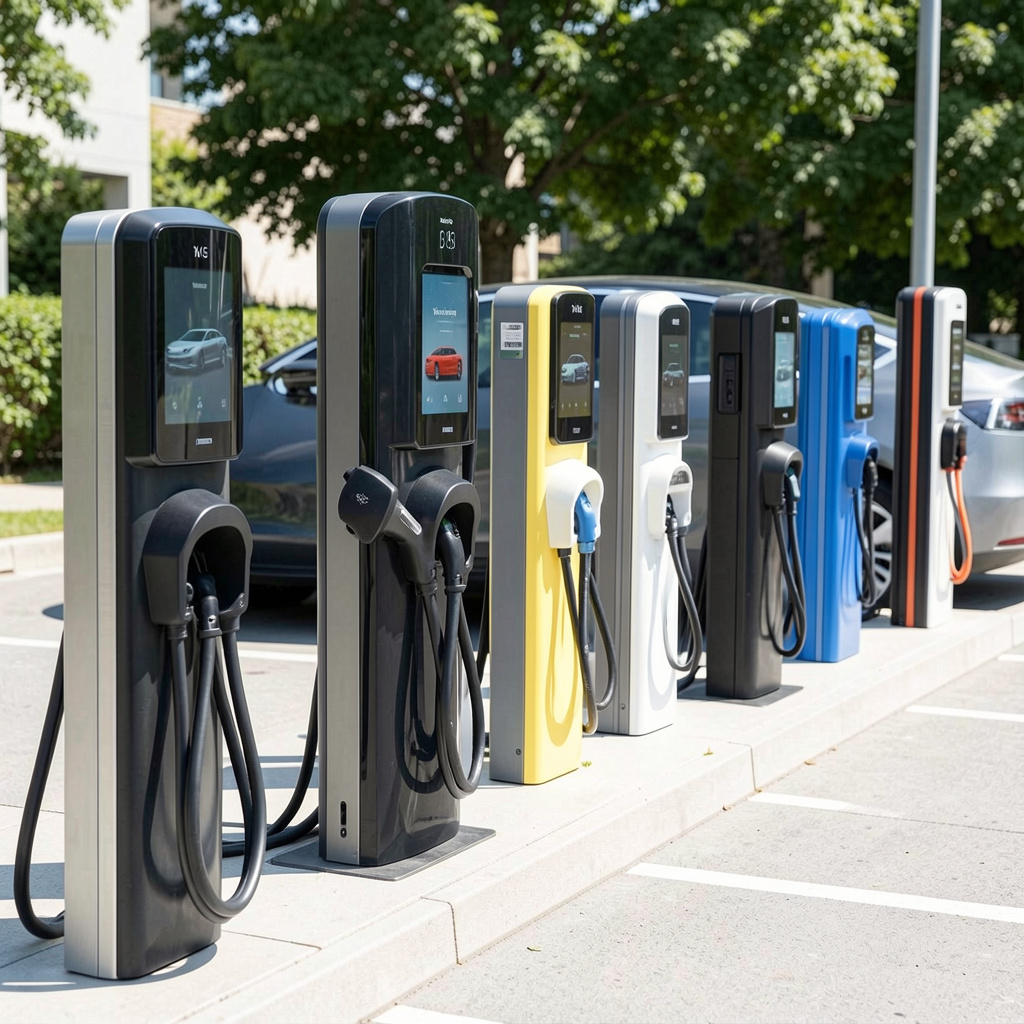
Public EV charging has improved dramatically over the last few years. Today, drivers have access to thousands of charging stations across cities, highways, shopping centers, workplaces, and travel corridors. Yet every experienced EV owner eventually notices something interesting: not all public chargers perform the same way.
You might visit one charging station where your vehicle starts charging immediately at impressive speeds, while another station with the same advertised power rating takes much longer, experiences connection issues, or even fails to initiate a charging session.
This inconsistency often leads drivers to wonder why some public chargers seem far more reliable than others.
At Engine Saga, we’ve spent years evaluating electric vehicles under real-world driving conditions rather than depending solely on laboratory figures or manufacturer claims. Throughout countless charging sessions across different locations, we’ve learned that charger performance depends on far more than the number printed on the charging unit.
In this guide, we’ll explain what makes some public chargers work better than others, why charging experiences vary, and what EV owners should look for before plugging in.
Whether you’re planning a long road trip or simply searching for a dependable charger near home, understanding these factors can save time, reduce frustration, and improve every charging stop.
What Makes Some Public Chargers Work Better Than Others?
The answer lies in a combination of technology, maintenance, network quality, installation standards, and environmental conditions.
Two chargers may advertise the same charging speed, yet deliver completely different real-world performance.
Several factors influence how well a charging station performs, including:
- Charger hardware quality
- Power delivery capability
- Grid connection
- Software reliability
- Regular maintenance
- Network monitoring
- Connector condition
- Vehicle compatibility
- Ambient temperature
- Overall station design
The best public charging stations excel in all these areas rather than focusing on only one specification.
Why Charger Performance Matters
Reliable charging isn’t only about convenience.
Better-performing chargers help drivers:
- Spend less time waiting
- Complete road trips more efficiently
- Reduce range anxiety
- Improve travel planning
- Experience fewer charging interruptions
- Gain greater confidence in EV ownership
Poor-performing chargers, on the other hand, may lead to unnecessary delays even when they appear available.
The Quality of Charging Hardware
One of the biggest differences between charging stations is the hardware itself.
High-quality charging equipment is designed for continuous public use and frequent charging sessions throughout the day.
Reliable hardware typically includes:
- Durable connectors
- Heavy-duty cooling systems
- High-quality power electronics
- Weather-resistant construction
- Advanced safety monitoring
- Stable communication systems
These components help maintain consistent charging performance even during heavy usage.
Power Output Isn’t the Whole Story
Many drivers assume that a charger labeled as 150 kW or 350 kW will always charge at those speeds.
In reality, charging speed depends on multiple factors working together.
Maximum charging power is influenced by:
- Vehicle battery capability
- Battery temperature
- Charger capacity
- Battery state of charge
- Power sharing between charging stalls
- Grid limitations
For example, your EV may only accept 120 kW even when connected to a charger capable of delivering much more.
Likewise, a busy charging station may distribute available power among several vehicles, reducing charging speeds for each driver.
Reliable Software Makes a Huge Difference
Modern public chargers function as connected computers rather than simple electrical outlets.
Software controls nearly every aspect of the charging process, including:
- Vehicle communication
- Authentication
- Payment processing
- Charging initiation
- Session monitoring
- Remote diagnostics
- Firmware updates
Well-maintained software reduces charging errors while improving overall reliability.
Poor software, however, can result in:
- Failed charging sessions
- Payment issues
- Frozen screens
- Incorrect charger status
- Connection failures
These problems often frustrate drivers even when the charger itself remains physically operational.
Regular Maintenance Keeps Chargers Reliable
Even the most advanced charging equipment requires routine maintenance.
Public chargers operate outdoors throughout the year and experience constant use.
Maintenance typically includes:
- Cable inspection
- Connector replacement
- Software updates
- Cooling system servicing
- Electrical safety testing
- Display repairs
- Cleaning charging ports
Charging networks that invest in preventive maintenance generally experience fewer service interruptions.
Location Plays a Bigger Role Than Many Drivers Realize
The physical location of a charging station affects both convenience and long-term reliability.
Well-designed charging sites often feature:
- Easy vehicle access
- Good lighting
- Weather protection
- Nearby amenities
- Wide parking spaces
- Clear signage
- Reliable internet connectivity
These factors improve both driver satisfaction and charger performance.
Internet Connectivity Matters
Most modern charging stations remain connected to cloud-based management systems.
A stable internet connection allows chargers to:
- Report availability
- Process payments
- Receive software updates
- Monitor performance
- Detect faults
- Restart remotely when necessary
Poor connectivity can interrupt these functions and reduce overall reliability.
The Importance of Cooling Systems
Fast charging generates significant heat.
To maintain safe operating temperatures, chargers use sophisticated cooling systems.
These may include:
- Air cooling
- Liquid cooling
- Temperature sensors
- Automatic power adjustment
If a charger becomes too hot, it may automatically reduce charging power to protect internal components.
This explains why charging speeds sometimes decrease during extremely hot weather or after continuous heavy use.
Grid Capacity Influences Charging Performance
One factor that drivers rarely see is the local electrical grid.
Even high-performance chargers depend on sufficient electrical infrastructure.
Charging stations located in areas with stronger grid capacity often provide:
- More consistent charging speeds
- Better reliability
- Higher simultaneous charging capability
- Reduced power fluctuations
As electrical infrastructure continues improving, charging performance should become more consistent across different regions.
Why Some Charging Networks Perform Better
Different charging providers use different approaches to equipment selection, maintenance schedules, customer support, and software management.
Networks that consistently deliver strong performance usually invest heavily in:
| Feature | Benefit |
| High-quality hardware | Greater durability |
| Routine maintenance | Fewer equipment failures |
| Remote monitoring | Faster repairs |
| Modern software | Reliable charging sessions |
| Multiple charging stalls | Reduced waiting times |
| Customer support | Faster issue resolution |
These investments contribute to a better experience for EV drivers.
How We Evaluate Public Chargers at Engine Saga
At Engine Saga, we believe charger quality should be judged by real-world performance rather than marketing specifications. During our road tests, we evaluate charging stations using the same practical criteria that matter to everyday EV drivers.
Before plugging in, we inspect the condition of the charging cables, connectors, display screen, parking layout, and overall accessibility.
Once charging begins, we observe how quickly the session starts, whether the charger maintains a stable connection, and if the charging speed remains consistent throughout the session.
We also compare the advertised charging power with the actual performance delivered to the vehicle. While every EV has different charging capabilities, we look for consistency rather than peak numbers.
A charger that delivers stable performance from start to finish is often more valuable than one that briefly reaches a higher output before slowing dramatically.
Another important factor is the user experience. Clear instructions, responsive payment systems, reliable mobile app integration, and accurate real-time status updates all contribute to a smoother charging stop.
By combining technical evaluation with practical driving experience, we gain a more complete understanding of why some public chargers consistently outperform others.
Common Signs of a High-Quality Public Charger
Experienced EV drivers quickly recognize the characteristics of dependable charging stations.
Look for chargers that offer:
- Clean and well-maintained connectors
- Recent positive user reviews
- Stable charging sessions
- Multiple available charging stalls
- Bright lighting and easy access
- Fast customer support
- Modern payment options
- Clear operating instructions
These features often indicate that the charging network actively maintains its equipment and prioritizes driver satisfaction.
Common Reasons Some Public Chargers Perform Poorly
Even chargers with impressive specifications can deliver disappointing real-world performance. Through our testing, we’ve found that several recurring issues affect charging reliability.
Lack of Preventive Maintenance
Public chargers operate in all weather conditions and are used by hundreds of drivers every month. Without regular inspections, components naturally wear over time.
Common maintenance-related issues include:
- Damaged charging cables
- Worn connector pins
- Faulty touchscreens
- Payment terminal failures
- Cooling system problems
- Loose electrical connections
Charging networks that follow proactive maintenance schedules generally experience fewer outages and provide a more consistent charging experience.
Software and Communication Errors
Modern chargers rely on software to communicate with both the vehicle and the charging network.
When software isn’t updated or communication fails, drivers may experience:
- Charging sessions that won’t start
- Unexpected session interruptions
- Payment verification problems
- Incorrect charger status in mobile apps
- Authentication failures
Although these issues are becoming less common, they remain one of the leading causes of charging frustration.
Shared Power Between Charging Stalls
Many fast-charging stations share electrical capacity across multiple charging stalls.
For example, if two vehicles begin charging simultaneously, the station may divide its available power instead of delivering maximum output to each vehicle.
This doesn’t necessarily indicate a faulty charger. it’s simply how the station is designed to manage available electricity.
Understanding power sharing helps drivers set realistic expectations, especially during busy travel periods.
Vehicle Battery Conditions
The charger isn’t always responsible for slower charging speeds.
Several vehicle-related factors can reduce charging performance, including:
- High battery state of charge
- Cold battery temperatures
- Hot battery temperatures
- Battery protection systems
- Vehicle charging limits
As the battery approaches full capacity, charging speed naturally decreases to protect long-term battery health.
How to Choose the Best Public Charger Every Time
Finding a reliable charger becomes much easier when you know what to look for.
Check Recent Driver Reviews
Community feedback often provides the most up-to-date information.
Look for comments mentioning:
- Successful charging sessions
- Actual charging speeds
- Broken equipment
- Waiting times
- Parking conditions
Recent reviews usually offer a realistic picture of current charger performance.
Compare Multiple Charging Apps
Different charging platforms collect different information.
Using more than one app helps verify:
- Charger availability
- Network status
- Pricing
- User ratings
- Nearby alternatives
This extra step often prevents unnecessary delays.
Prioritize Well-Maintained Networks
Some charging providers consistently invest in:
- Better hardware
- Faster repairs
- Frequent software updates
- Larger charging locations
- Improved customer support
These investments often translate into a better charging experience.
Look Beyond Maximum Power Ratings
A charger advertising extremely high power isn’t automatically the best choice.
Instead, prioritize stations that offer:
- Stable charging performance
- Positive user reviews
- Reliable uptime
- Multiple charging stalls
- Good maintenance history
Consistency usually matters more than peak charging speed.
Myths About Public Charger Performance
Myth 1: Every Fast Charger Delivers Maximum Speed
Reality: Charging speed depends on the charger, the vehicle, battery temperature, battery level, and local power availability.
Myth 2: New Chargers Never Experience Problems
Even recently installed charging stations can experience software bugs, network outages, or hardware faults.
Regular maintenance remains essential.
Myth 3: Higher Price Always Means Better Charging
Some premium charging stations justify higher costs through superior reliability and amenities, but price alone doesn’t guarantee better performance.
Driver reviews and real-world experience remain valuable indicators.
Myth 4: Older Chargers Should Always Be Avoided
Well-maintained older charging stations often perform more consistently than newer stations that haven’t yet resolved software or configuration issues.
Condition matters more than age.
The Future of Public EV Charging
The public charging experience continues to improve as charging networks invest in new technologies.
Future developments are expected to include:
- Faster ultra-rapid charging
- AI-powered fault detection
- Predictive maintenance
- Smarter load balancing
- Plug-and-Charge technology
- Larger charging hubs
- Better integration with vehicle navigation
- Improved payment systems
- More renewable energy integration
These improvements will reduce downtime, increase charging reliability, and make EV ownership even more convenient.
Engine Saga’s Practical Advice
After years of testing public charging stations across different routes and environments, one lesson stands out: the most reliable charging experience comes from preparation rather than chance.
We recommend:
- Planning charging stops before leaving.
- Keeping at least two charging apps installed.
- Reading recent driver reviews.
- Choosing stations with multiple charging stalls.
- Maintaining a comfortable battery reserve.
- Having a backup charging location in mind.
These simple habits have consistently helped us avoid delays and complete trips with greater confidence.
Final Verdict
So, what makes some public chargers work better than others?
The answer isn’t a single feature; it’s the combination of quality hardware, dependable software, strong electrical infrastructure, regular maintenance, and effective network management.
While no public charging network is perfect, today’s best charging providers are delivering increasingly reliable experiences for EV owners. By understanding what influences charger performance and making informed choices, drivers can significantly reduce charging-related stress.
At Engine Saga, our real-world testing has shown that the best public chargers aren’t always the newest or the fastest on paper.
They’re the ones that consistently deliver reliable performance, clear communication, and a hassle-free charging experience. As public charging infrastructure continues to expand, these differences will become even more important for everyday EV drivers.
Frequently Asked Questions
1. Why do two chargers with the same power rating deliver different charging speeds?
Although chargers may advertise identical maximum output, actual charging speed depends on your vehicle’s charging capability, battery temperature, battery level, power sharing, and the charger’s overall condition. These combined factors determine real-world performance.
2. How can I identify a reliable public charging station before arriving?
Checking recent user reviews, live charger status, maintenance history, and the number of available charging stalls provides valuable insight. Stations with consistently positive feedback usually offer a more dependable charging experience.
3. Does weather affect how well public chargers work?
Yes. Extremely hot or cold temperatures can influence both charger performance and battery charging speed. Many charging systems automatically adjust power delivery to protect equipment and maintain safe operating conditions.
4. Is the fastest charger always the best choice?
Not necessarily. A charger with slightly lower advertised power but excellent reliability, stable performance, and shorter waiting times may deliver a better overall charging experience than a higher-powered station with frequent issues.
5. Will public charger reliability improve in the future?
Yes. Charging networks continue investing in improved hardware, predictive maintenance, AI-powered monitoring, smarter software, and larger charging hubs. These advancements are expected to deliver more reliable and consistent charging experiences for EV drivers.
- 5 Proven Benefits of Electric Car Brake Service
 Electric car brake service is an important part of maintaining an electric vehicle, even though EVs often need brake pad replacements less frequently than gasoline-powered cars. Thanks to regenerative braking, electric cars can reduce friction-brake… Read more: 5 Proven Benefits of Electric Car Brake Service
 - 10 Essential Tips to Inspect Before a Long EV Road Trip Safely
 Planning a long electric vehicle road trip involves more than charging the battery to 100% and entering a destination into your navigation system. Before leaving home, it is worth checking your tires, brakes, charging equipment,… Read more: 10 Essential Tips to Inspect Before a Long EV Road Trip Safely
 - How to Avoid Wasting Money on Trendy EV Add-Ons
 How to Avoid Wasting Money on Trendy EV Add-Ons is becoming an important question for EV owners. Once you buy an electric vehicle, it is surprisingly easy to keep spending money on products that promise… Read more: How to Avoid Wasting Money on Trendy EV Add-Ons