
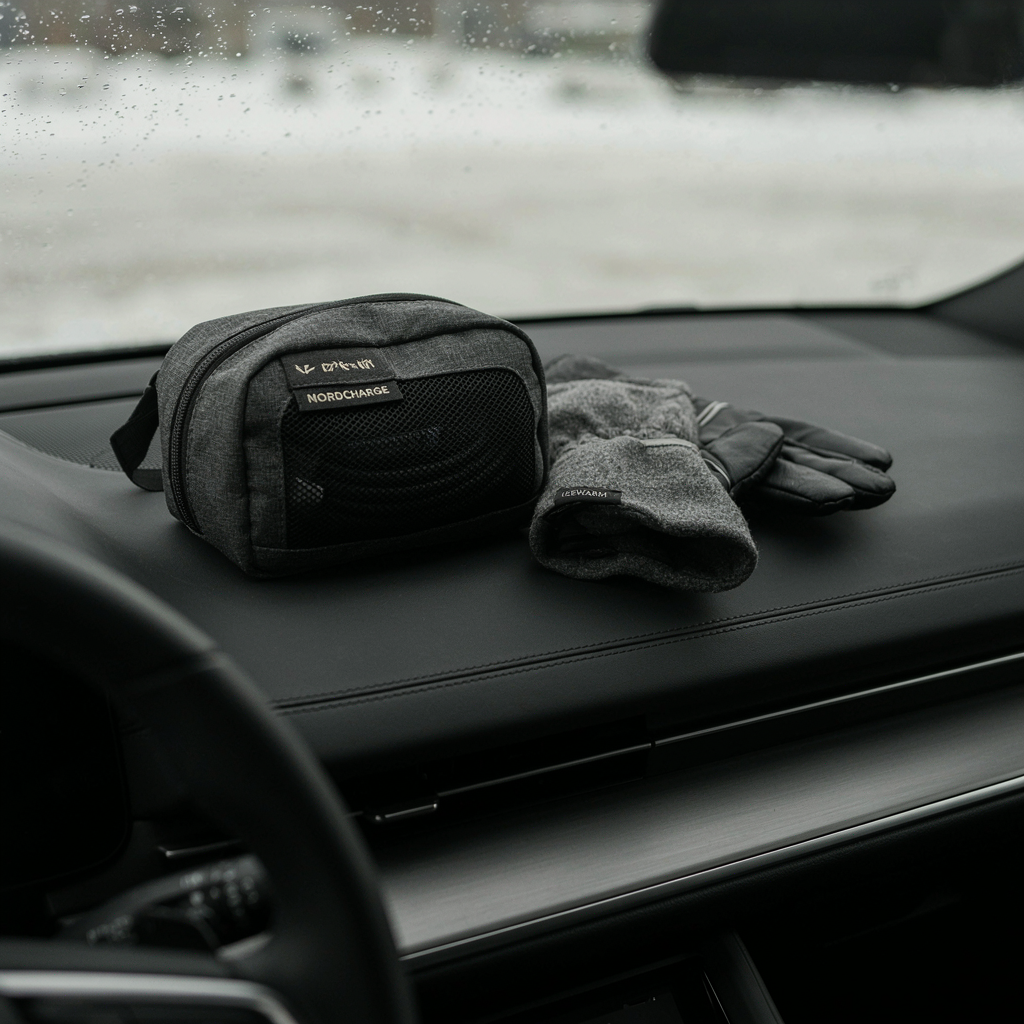
Best Accessories for Cold Weather EV Driving can make a noticeable difference when temperatures fall and winter conditions start affecting your electric vehicle’s range, charging speed, comfort, and everyday usability. Cold weather does not make an EV incapable of handling winter, but it does change how the vehicle uses energy. With the right equipment and a few practical habits, drivers can stay comfortable, protect their vehicle, and reduce unnecessary range loss.
Cabin heating consumes additional electricity, cold batteries can deliver less usable range, charging may take longer, and snow, ice, road salt, and poor visibility can make ordinary trips more demanding.
That does not mean winter EV driving has to be stressful. In our experience at Engine Saga, the biggest difference often comes from preparation rather than expensive upgrades.
The right accessories can make winter driving more comfortable, protect important components, improve visibility, and help you manage the practical challenges that come with lower temperatures.
The U.S. Department of Energy recommends winterizing an EV by considering covered parking, preconditioning while plugged in, maintaining an appropriate charge level, and protecting outdoor charging connectors from snow and ice.
Cold temperatures can also significantly affect EV efficiency because additional energy is needed for heating.
Here are the accessories worth considering before the temperature really drops.
Why Cold Weather Requires a Different EV Setup
Before buying anything, it helps to understand what winter is actually doing to your EV.
The battery does not suddenly become damaged simply because temperatures fall. Instead, its chemistry and thermal-management system have to work harder under cold conditions. At the same time, heating the cabin adds another electrical load.
The Department of Energy notes that extreme temperatures can reduce EV range because more energy is required to heat or cool the cabin. Its research also shows that cabin heating can be one of the largest contributors to winter range loss.
That is why our approach at Engine Saga is simple: don’t buy accessories just because they are marketed as “winter EV gear.” Buy the items that solve an actual cold-weather problem.
1. EV Charging Port Cover
A charging port cover is one of the simplest accessories you can add for winter.
Snow, freezing rain, road spray, and ice can make charging-port areas difficult to use. Although EV charging connectors are designed for outdoor conditions, heavy snow and sleet can still create practical problems.
A properly designed charging-port cover helps keep precipitation and ice away from the inlet when the vehicle is parked.
Look for:
- A vehicle-compatible design
- Weather-resistant material
- Secure attachment
- Easy installation and removal
- A design that does not interfere with the charging connector
Do not improvise with materials that could obstruct the port or interfere with the vehicle’s charging system. Always follow the vehicle manufacturer’s instructions.
The Department of Energy specifically recommends protecting outdoor charging connectors from freezing conditions and mentions magnetic charging-inlet covers or bags as one possible solution.
2. Heated Seat Covers or Seat Heating Accessories
If your EV already has heated seats, use them.
If it does not, a properly designed heated seat cover can provide another way to stay comfortable without relying entirely on cabin heating.
Why does this matter?
Instead of trying to warm the entire cabin immediately, localized heating allows the driver and passengers to feel comfortable while the vehicle gradually reaches the desired interior temperature.
However, compatibility matters. Do not use a heated accessory that interferes with airbags, seat sensors, seat belts, or the manufacturer’s seat-cover requirements.
For EV drivers who regularly commute in cold conditions, targeted comfort can be more useful than simply turning the cabin temperature all the way up.
3. EV-Compatible Floor Mats
Winter brings more than cold air. It brings mud, melting snow, water, salt, and grit.
That makes a good set of all-weather floor mats one of the most practical cold-weather EV accessories.
Look for deep channels and raised edges that can contain melted snow and dirty water. A mat that can be removed and cleaned easily is especially useful for daily commuters.
This is not just about keeping the interior looking good.
Water and slush can accumulate around the footwell, while road salt can become a persistent nuisance if it is repeatedly tracked inside. A properly fitted floor mat makes winter cleanup much easier.
Our preference is simple: choose fit and coverage over flashy designs.
4. Winter-Ready Windshield Cover
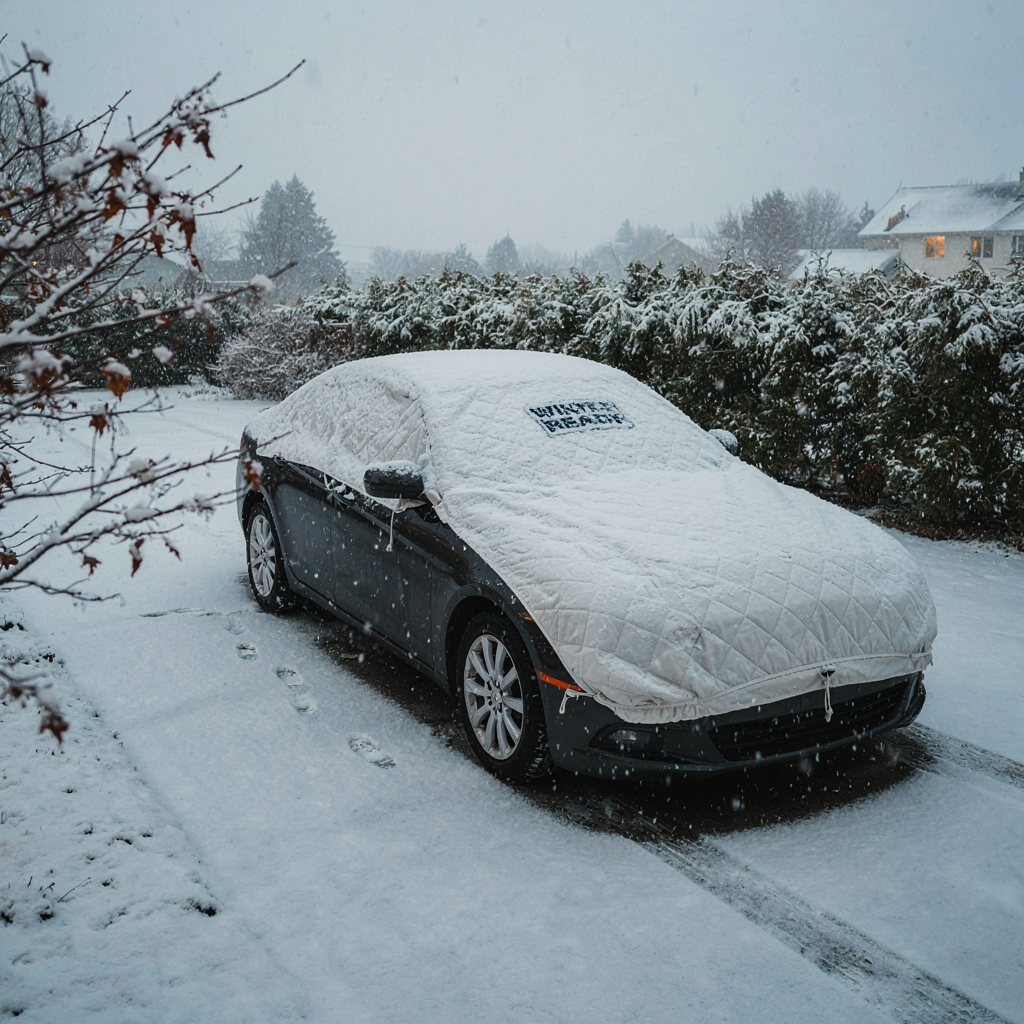
A windshield cover can save several minutes on a freezing morning.
Instead of scraping ice directly from the glass, you remove the cover and start driving with a much clearer windshield.
A good cover should:
- Fit the windshield properly
- Resist wind
- Be easy to fold and store
- Have a water-resistant exterior
- Cover enough glass to make morning cleanup easier
For EV owners who park outside overnight, this is one of those inexpensive accessories that can quickly become part of the daily routine.
Just remember that a windshield cover does not replace proper windshield defrosting when visibility remains impaired.
5. Ice Scraper and Snow Brush
This accessory sounds obvious, but it deserves a place in every winter EV.
A compact ice scraper and soft snow brush can remove frozen buildup without requiring excessive effort.
Choose a scraper with a comfortable grip and a brush that is gentle enough for exterior surfaces. Avoid aggressively scraping areas where delicate trim, sensors, cameras, or glass could be damaged.
Modern EVs often depend heavily on cameras and sensors for driver-assistance features. Keeping these areas clean is especially important in snow and freezing conditions.
A snow brush should therefore be treated as safety equipment, not simply a convenience item.
6. Tire Pressure Gauge and Portable Inflator
Cold weather can affect tire pressure, which makes a reliable tire-pressure gauge particularly useful during winter.
An inexpensive portable inflator gives you another layer of convenience when pressure needs correcting away from a service station.
Why does this matter for EV drivers?
EVs are sensitive to efficiency, and tires are one of the easiest areas for drivers to monitor themselves. Incorrect tire pressure can affect handling, comfort, tire wear, and energy consumption.
Check the pressure according to the vehicle manufacturer’s recommended specification rather than guessing based on the number printed on the tire itself.
We recommend checking pressures regularly as temperatures change rather than waiting until the dashboard warning appears.
7. Winter Tires Where Conditions Require Them
For drivers who regularly encounter snow, ice, or consistently cold winter roads, winter tires can be far more important than cosmetic accessories.
This is one area where buying the cheapest option rarely makes sense.
Winter tires are designed specifically for colder conditions, with tread compounds and patterns intended to maintain grip at temperatures where ordinary tires may become less effective.
However, the correct choice depends on your region and driving conditions.
If your winter mainly consists of cold, wet roads with little snow, an appropriate all-season or all-weather setup may be sufficient depending on the vehicle and local requirements. If you regularly drive on snow and ice, dedicated winter tires may make considerably more sense.
The important point is to match the tire to your environment rather than buying based on marketing claims.
8. Portable EV Charging Cable Storage Bag
Cold-weather charging can become messy.
A charging cable that is wet, dirty, or covered in slush is unpleasant to handle. A dedicated storage bag keeps the cable contained and helps prevent your trunk or cargo area from becoming a collection point for winter grime.
Choose a bag that:
- Fits your charging cable comfortably
- Has water-resistant construction
- Is easy to carry
- Allows the cable to be stored without excessive bending
- Can be cleaned easily
This is especially useful for drivers who frequently use public chargers.
A storage bag will not improve range, but it can make the everyday charging experience considerably less frustrating.
9. Portable Power Bank for Your Phone
Your EV may be full, but your phone might not be.
That can become a problem when your smartphone is being used for navigation, charging-station apps, vehicle access, or roadside assistance.
A compact power bank is inexpensive insurance.
Cold temperatures can also affect the performance of consumer batteries, so keep the power bank stored appropriately and avoid leaving it exposed to extreme temperatures unnecessarily.
The goal is not to carry a suitcase full of emergency equipment. It is simply to make sure your communication and navigation tools remain available when you need them.
10. Emergency Winter Kit
An EV winter emergency kit should be tailored to your driving environment.
Useful items can include:
- Flashlight
- Reflective vest
- First-aid supplies
- Gloves
- Warm blanket
- Basic roadside tools
- Portable phone charger
- Drinking water
- High-visibility warning equipment
If you regularly travel through areas where snow or freezing weather can cause delays, consider expanding the kit according to the conditions you actually face.
The most important principle is accessibility. Emergency equipment buried under luggage is not much help when you need it.
11. Microfiber Towels and Cleaning Cloths
Winter road grime can quickly cover windows, mirrors, cameras, and charging equipment.
Keeping several microfiber cloths in the vehicle gives you an easy way to deal with moisture and dirt.
Use separate cloths for different purposes where practical. You do not want a cloth covered in road grit being used on a sensitive display or camera lens.
Small accessories like this rarely appear in flashy EV winter guides, but they are exactly the kind of practical items that become useful after a few weeks of real-world driving.
12. Waterproof Cargo Organizer
Winter accessories can quickly turn your trunk into a mess.
An organizer gives everything a dedicated location.
Keep your scraper, gloves, charging cable, emergency equipment, cleaning supplies, and other winter gear separated instead of allowing everything to roll around the cargo area.
A waterproof or water-resistant organizer is particularly useful because snow and slush inevitably find their way into winter equipment.
This also helps you avoid carrying unnecessary items throughout the year. At the end of winter, remove the gear you no longer need.
13. Portable Work Light
A compact rechargeable work light can be surprisingly useful.
Imagine arriving at a public charger after dark and needing to inspect a cable, connector, tire, or luggage compartment. Your phone flashlight can work, but a dedicated light is easier to position and leaves your phone available for navigation.
Look for a small model with:
- Long battery life
- A sturdy housing
- Simple controls
- Hands-free mounting or a stable base
- Weather resistance appropriate to your use
Again, this is about preparation rather than technology for technology’s sake.
14. Water-Resistant Gloves
Winter charging often means standing outside while handling equipment in freezing temperatures.
A pair of insulated, water-resistant gloves can make that experience considerably more comfortable.
Choose gloves that provide enough dexterity to operate charging equipment, open doors, and use your phone when necessary.
Avoid oversized gloves that make it difficult to handle connectors safely.
For regular public-charging users, this may be one of the most frequently used accessories in the entire winter kit.
15. A Reliable Tire Repair or Roadside Kit
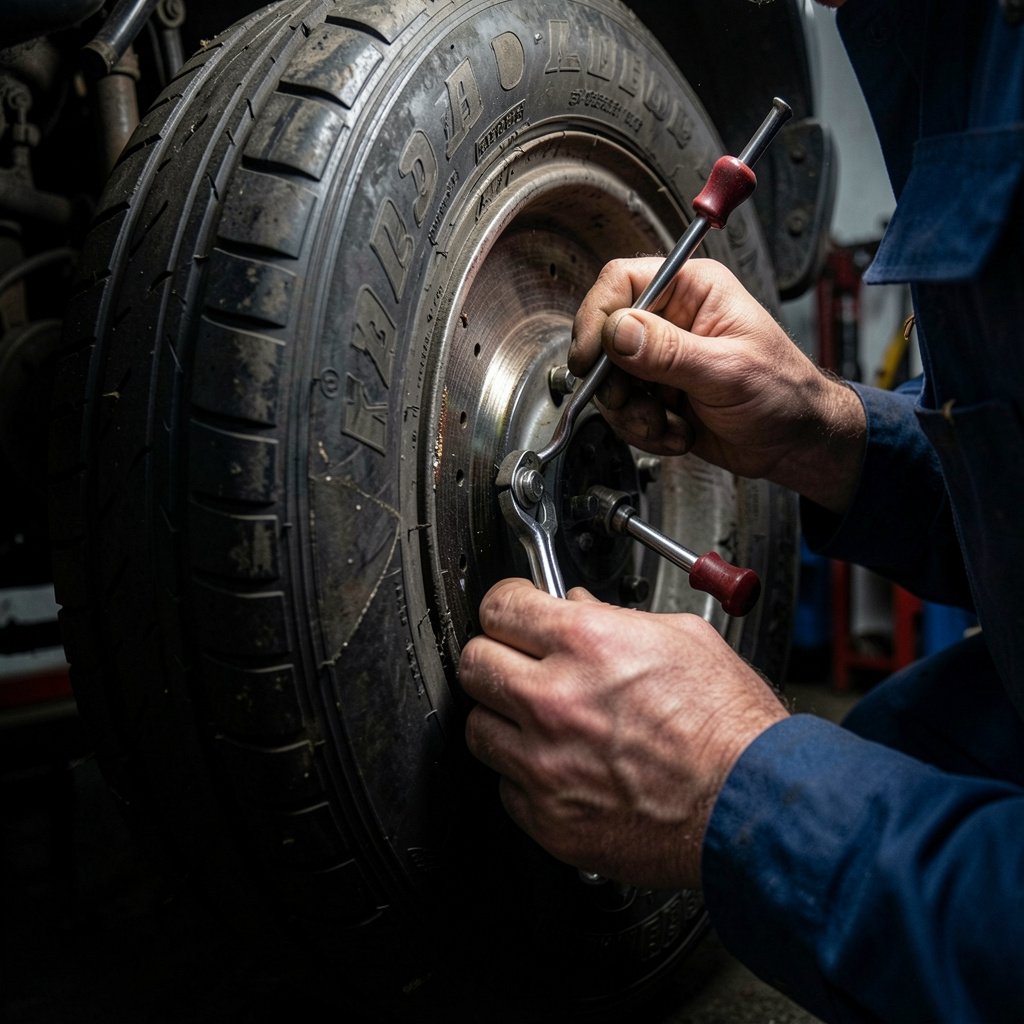
A basic tire emergency solution can provide peace of mind, but the correct equipment depends heavily on your EV.
Some EVs do not have traditional spare tires, while others may provide repair kits or specific roadside procedures.
Before buying a tire inflator, sealant, or repair product, check your vehicle’s owner’s manual. Using an incompatible product can create additional problems.
The objective is not to turn your EV into a mobile repair shop. It is to have an appropriate response available for minor roadside situations until professional assistance is possible.
The Accessory That Matters Most: Preconditioning
There is one “accessory” that costs nothing but can make a significant difference: using your EV’s preconditioning function correctly.
If your EV supports preconditioning, warming the cabin and battery while the vehicle is still connected to a charger can reduce the amount of energy that needs to come from the battery during the initial part of your drive.
The Department of Energy recommends warming the vehicle before driving and notes that doing so while charging can help preserve available battery energy for driving.
This is one reason we would rather see a driver understand their vehicle’s thermal-management features than spend hundreds of dollars on unnecessary winter gadgets.
How to Build a Smart Cold-Weather EV Kit
You do not need every accessory mentioned above.
Start with the conditions you actually experience.
For mild winter conditions, prioritize:
- All-weather floor mats
- Tire-pressure gauge
- Windshield cover
- Ice scraper and snow brush
- Charging-cable storage bag
- Gloves
For colder or snowier regions, consider adding:
- Winter tires
- Portable inflator
- Emergency winter kit
- Work light
- Extra charging-port protection
- More comprehensive roadside equipment
For long-distance winter travel, preparation should go further. Check your battery level, route, charging locations, tire condition, weather forecast, and expected driving conditions before leaving.
Cold-weather range can vary significantly with temperature, heating demand, speed, terrain, and driving style. DOE data has found that all-electric vehicles can experience substantial efficiency reductions in cold conditions, although the exact impact varies by vehicle and circumstances.
Accessories We Would Skip
Winter marketing can make almost anything sound essential.
We would be cautious about accessories that promise dramatic range increases without explaining how they work.
Also be careful with:
- Unapproved battery heaters
- Poorly fitted seat covers
- Accessories that block sensors
- Cheap charging-port modifications
- Excessively heavy cargo organizers
- Improvised heating devices
- Non-approved electrical equipment
Your EV’s battery and charging systems are engineered as a complete system. Adding accessories should never mean bypassing manufacturer safety instructions.
Our Engine Saga Winter Approach
After years of looking at vehicles from a practical rider’s perspective, we have learned that useful accessories are usually the ones that solve small problems repeatedly.
A windshield cover saves time every frosty morning.
Good floor mats make winter cleanup easier.
A tire-pressure gauge encourages better maintenance.
Proper gloves make public charging more comfortable.
A charging-port cover helps protect against freezing precipitation.
A simple emergency kit can turn an inconvenient delay into a manageable one.
None of these items magically creates extra battery capacity. Instead, they help the driver work with the conditions rather than fighting them.
And that is the bigger lesson with cold-weather EV driving.
Final Thoughts
The best accessories for cold weather EV driving are not necessarily the most expensive ones. They are the products that improve visibility, traction, charging convenience, cabin comfort, cleanliness, and emergency preparedness without interfering with the vehicle’s designed systems.
Start with the basics: proper tires, tire-pressure monitoring, floor protection, windshield preparation, charging protection, gloves, and a small emergency kit. Then add accessories based on your climate and driving routine.
Most importantly, understand that winter range loss is not automatically a sign that something is wrong with your EV.
Cold temperatures increase energy demands, particularly for cabin heating, while battery temperature can influence performance and charging behavior.
At Engine Saga, we prefer practical preparation over unnecessary gadgets. A well-prepared EV driver who understands preconditioning, charging habits, tire condition, and winter road conditions will usually get more value from a small collection of smart accessories than from a trunk full of products they rarely use.
Frequently Asked Questions
1. What are the best accessories for cold weather EV driving?
The most useful cold-weather EV accessories include all-weather floor mats, an ice scraper, windshield cover, tire-pressure gauge, portable inflator, charging-port protection, winter gloves, and an emergency kit. The right combination depends on your local climate.
2. Does cold weather reduce EV range?
Yes. Cold weather can reduce EV efficiency because the vehicle uses additional energy for cabin heating and battery thermal management. The amount of range reduction varies with temperature, vehicle design, driving conditions, speed, and heating technology.
3. Should I precondition my EV in winter?
Yes, when your vehicle supports it. Preconditioning the cabin and battery while the EV is plugged in can use external electrical power instead of drawing as much energy from the battery after you begin driving.
4. Are winter tires worth it for an electric vehicle?
Winter tires can be worthwhile for EV drivers who regularly encounter snow, ice, or consistently cold conditions. They can improve traction and control, but the best tire choice depends on your local weather, roads, vehicle requirements, and driving habits.
5. How can I protect my EV charging port during winter?
If you charge outdoors, keep the charging inlet and connector protected from snow, sleet, and freezing precipitation. A properly designed charging-port cover can help, provided it is compatible with your vehicle and does not interfere with charging.
You might also like the following…
- 5 Proven Benefits of Electric Car Brake Service
 Electric car brake service is an important part of maintaining an electric vehicle, even though EVs often need brake pad replacements less frequently than gasoline-powered cars. Thanks to regenerative braking, electric cars can reduce friction-brake… Read more: 5 Proven Benefits of Electric Car Brake Service
 - 10 Essential Tips to Inspect Before a Long EV Road Trip Safely
 Planning a long electric vehicle road trip involves more than charging the battery to 100% and entering a destination into your navigation system. Before leaving home, it is worth checking your tires, brakes, charging equipment,… Read more: 10 Essential Tips to Inspect Before a Long EV Road Trip Safely
 - How to Avoid Wasting Money on Trendy EV Add-Ons
 How to Avoid Wasting Money on Trendy EV Add-Ons is becoming an important question for EV owners. Once you buy an electric vehicle, it is surprisingly easy to keep spending money on products that promise… Read more: How to Avoid Wasting Money on Trendy EV Add-Ons