
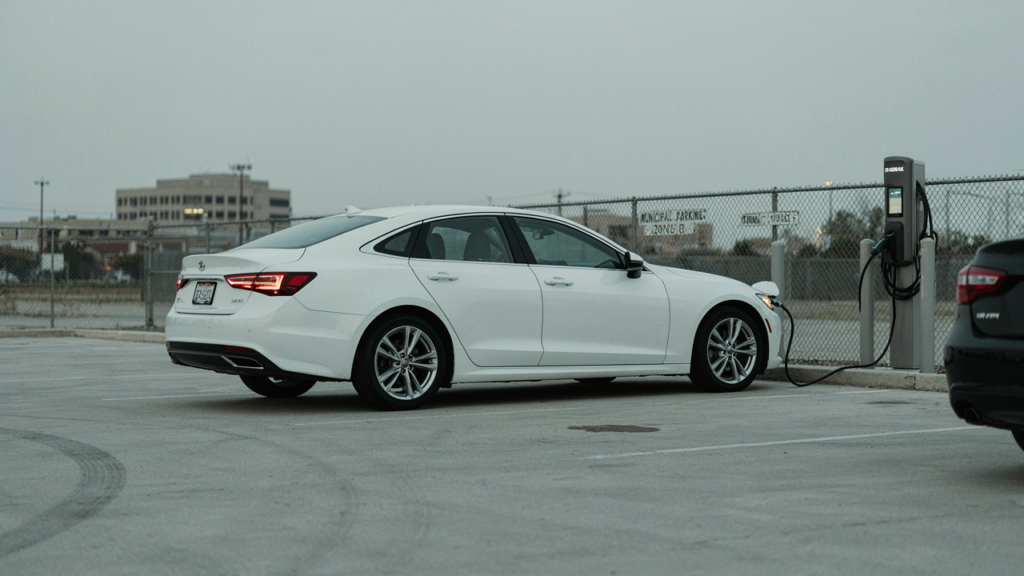
How to Upgrade Visibility Without Overdoing the Style is an important question for EV owners who want better visibility without turning their vehicle into a collection of unnecessary accessories.
Good visibility is not just about making an EV look more noticeable. It is about helping other road users recognize where you are, helping you see clearly, and improving confidence during everyday driving.
Electric vehicles are often quiet at low speeds, and that makes visual awareness especially valuable in busy urban environments. Pedestrians, cyclists, motorcycles, and other drivers may not always notice an approaching EV immediately.
At the same time, adding too many lights, reflective accessories, stickers, or decorative modifications can create clutter or even interfere with visibility.
After years of practical riding and driving, our approach is simple: upgrade visibility where it genuinely helps, keep the design clean, and never allow an accessory to interfere with the vehicle’s original safety equipment.
Why Visibility Matters More Than Style
A vehicle can look great and still be difficult to notice in certain situations.
Urban traffic creates plenty of visual competition. Storefronts, signs, headlights, advertisements, parked vehicles, pedestrians, and street lighting all compete for attention.
An EV needs to remain visually understandable within that environment.
Visibility matters particularly during:
- Dawn and dusk
- Night driving
- Rainy conditions
- Poorly lit streets
- Busy intersections
- Parking-lot exits
- Heavy pedestrian traffic
- Lane changes
- Urban stop-and-go traffic
The goal is not to make the vehicle excessively bright or visually aggressive. Instead, the goal is to make its presence easier to recognize.
Start With the Factory Lighting
Before buying aftermarket lighting, make sure the original lighting system is working properly.
Check your:
- Headlights
- Daytime running lights
- Brake lights
- Turn signals
- Rear lights
- Hazard lights
- License-plate illumination where applicable
A dirty lens can reduce the effectiveness of a light. Moisture inside a housing can indicate a problem. A weak or damaged bulb or LED module should be addressed before adding decorative lighting.
This is one of the simplest visibility upgrades because it does not require installing anything.
A clean, properly functioning factory lighting system should always be the foundation.
Use Reflective Elements Carefully
Reflective materials can improve how a vehicle is noticed when illuminated by another road user’s headlights.
Small reflective strips or accents can be useful on appropriate areas of a vehicle, particularly around edges or locations that help define its shape.
However, more reflective material is not automatically better.
Too many bright strips can make the vehicle look visually messy and reduce the clean appearance many EV owners prefer.
A few strategically placed accents are usually enough.
The same principle applies to helmets, bags, jackets, and other riding equipment. Reflective details can add visibility without turning everyday equipment into a highly decorated design.
Choose High-Quality Visibility Accessories
If you decide to add an aftermarket visibility accessory, quality should come before appearance.
Look for products that:
- Fit securely
- Are designed for automotive use
- Do not block existing lights
- Do not interfere with sensors
- Do not obstruct the driver’s view
- Are weather resistant
- Have appropriate electrical specifications
- Can be removed without damaging the vehicle
Cheap lighting accessories may look impressive in product photos but can create installation problems, electrical issues, glare, or premature failure.
A visibility accessory should make the vehicle easier to understand visually, not make it harder to operate.
Daytime Visibility Does Not Mean More Lights
Many owners assume that improving daytime visibility requires adding additional lamps.
It often does not.
A clean vehicle with functioning daytime running lights, appropriate exterior contrast, and a visible body profile may already be sufficiently noticeable.
If your vehicle supports automatic lighting, keeping the system maintained and using it correctly can be more useful than adding decorative LEDs.
The key is consistency.
Other road users need to recognize your vehicle’s position and movement. Excessive lighting can create unnecessary visual noise.
Don’t Overdo LED Lighting
LED accessories are popular because they are inexpensive, efficient, and available in many designs.
They can also be one of the easiest ways to ruin a clean EV exterior.
Avoid turning visibility upgrades into decorative lighting everywhere.
Underbody lighting, flashing accents, excessive colored LEDs, or extremely bright aftermarket lamps may distract other road users or create glare.
Depending on your location, certain colors, flashing patterns, or external lighting configurations may also be restricted by local vehicle regulations.
For road-going vehicles, always prioritize legal and safety-compliant lighting over appearance.
Keep Headlights Properly Aimed
A headlight that points too high can create glare for other drivers.
A headlight that points too low may reduce your useful forward visibility.
This is why headlight alignment matters.
If your EV has adjustable headlight settings, follow the manufacturer’s instructions. If the lights appear misaligned after a repair, suspension change, collision, or front-end work, have them inspected.
Installing brighter bulbs is not necessarily an improvement if the beam pattern becomes poor.
Useful illumination is about where the light goes, not simply how bright the source appears.
Keep Windshield and Windows Clean
One of the most overlooked visibility upgrades costs almost nothing.
A clean windshield makes a major difference.
Dust, oily film, fingerprints, dried washer fluid, and road residue can scatter light, especially at night. Headlights from approaching vehicles can then create distracting glare.
Clean:
- Windshield
- Side windows
- Rear glass
- Exterior mirrors
- Camera lenses
- Sensor areas
Do not forget the inside of the windshield.
A dirty interior surface can produce significant glare when the dashboard and cabin lights reflect against the glass.
Protect Your Mirrors
Mirrors are an essential part of vehicle visibility and awareness.
Make sure they are correctly adjusted and remain clean.
If your EV uses cameras instead of traditional mirrors in certain applications, keep those cameras clean and unobstructed as well.
Avoid placing decorative stickers, accessories, or reflective materials near areas used by cameras or sensors.
Modern EVs may rely on multiple cameras and sensors for driver-assistance functions, parking features, and surrounding awareness. Obstructing them can reduce their effectiveness.
Consider High-Visibility Exterior Accents
If you want a subtle style upgrade that also improves visibility, consider using contrast strategically.
A small amount of reflective or high-contrast material can help define the vehicle’s edges without changing its overall appearance.
Examples might include:
- Reflective wheel accents
- Small reflective door-edge markings
- High-visibility details on accessories
- Reflective charging-bag elements
- High-visibility emergency equipment
The trick is restraint.
One or two functional accents usually look cleaner than covering every available surface.
Don’t Cover Safety Lighting With Accessories
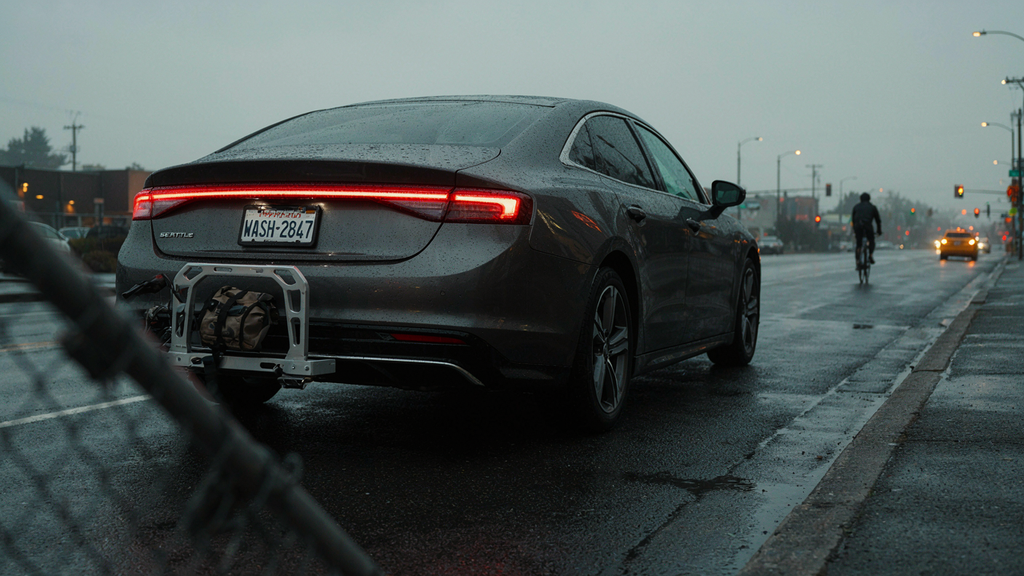
This sounds obvious, but it is surprisingly easy to do.
Some accessories attach near:
- Tail lamps
- Turn signals
- License plates
- Side markers
- Sensors
- Cameras
Before installing anything, look at the vehicle from different angles.
Ask yourself whether the accessory could hide part of a light or sensor.
Also consider how it behaves when the trunk, hatch, doors, or charging port are opened.
A storage accessory that blocks a rear light is not a good storage solution.
Visibility Accessories for EV Parking
Visibility is not only about driving.
Parking lots and charging areas can create their own visibility challenges.
A small reflective marker, high-visibility charging cable bag, or reflective emergency accessory can make equipment easier to identify in low light.
This is especially useful when you are connecting a charging cable after dark.
However, keep charging areas clear and avoid accessories that create trip hazards.
Good visibility should make the vehicle easier to navigate around, not introduce new obstacles.
Make Your EV More Visible at Intersections
Intersections deserve extra attention because multiple road users approach from different directions.
Your headlights and daytime lighting help, but your positioning matters too.
Do not rely entirely on accessories to make other road users notice you.
Use appropriate lane positioning, signal your intentions clearly, maintain reasonable speeds, and make sure your vehicle’s factory lights are visible.
For pedestrians and cyclists, visual awareness works best when combined with predictable driving behavior.
A stylish visibility accessory cannot compensate for poor positioning or unclear signals.
Avoid Excessive Window Tint
Window tint can improve cabin comfort and reduce sunlight, but overly dark tint can work against visibility.
The driver needs a clear view of the surroundings, especially at night.
Before choosing tint, consider:
- Local legal limits
- Nighttime visibility
- Weather conditions
- Front-window restrictions
- Mirror visibility
- Camera and sensor requirements
A darker window is not automatically a better window.
For a commuter EV, maintaining clear visibility is generally more important than achieving the darkest possible appearance.
Keep Emergency Visibility Equipment Separate
A small emergency triangle, reflective vest, flashlight, or other appropriate roadside equipment can be more useful than decorative visibility accessories.
Store emergency items somewhere accessible.
You do not want to bury a flashlight under luggage when you need it after dark.
The best emergency equipment is equipment you can reach quickly without creating additional cabin clutter.
Visibility vs. Style: Finding the Balance
Here is a practical way to think about common upgrades:
| Upgrade | Visibility Benefit | Style Impact | Practical Priority |
| Clean factory lights | High | None | High |
| Proper headlight aiming | High | None | High |
| Reflective accents | Medium | Low | Medium |
| Clean mirrors | High | None | High |
| Clean windshield | High | None | High |
| High-quality visibility gear | Medium-High | Low | Medium |
| Decorative LED strips | Variable | High | Low |
| Excessive exterior lighting | Variable | High | Low |
| Dark window tint | Variable | Medium | Situational |
| Reflective emergency equipment | High in emergencies | Low | High |
This table highlights an important point: the most effective visibility improvements are often the least dramatic-looking.
Think About Other Road Users
A useful visibility upgrade should help other people understand what your vehicle is doing.
For example, brake lights communicate slowing. Turn signals communicate direction. Headlights establish your presence in darkness.
That communication is more important than simply appearing bright.
This is why we prefer functional modifications over purely decorative ones.
If an accessory makes the vehicle more recognizable while preserving the original lighting and signals, it has a clear purpose.
If it simply adds another flashing light because it looks interesting, think twice.
Avoid Modifications That Create Glare
Glare can make conditions worse for everyone.
Extremely bright lights, poorly aimed auxiliary lamps, reflective dashboard surfaces, and certain aftermarket LED installations can send unwanted light toward other drivers.
The objective is not maximum brightness.
It is useful visibility without unnecessary glare.
If a modification makes it uncomfortable to look toward your vehicle from a normal driving position, it deserves another evaluation.
Build a Clean Visibility Setup
For most EV commuters, a sensible visibility setup might include:
- Properly functioning factory lights
- Correctly aimed headlights
- Clean windshield and mirrors
- Clean cameras and sensors
- A few subtle reflective accents
- Appropriate emergency visibility equipment
- Legal, properly installed lighting
- No accessories blocking signals or sensors
That is enough for most daily driving.
You do not need to cover the vehicle in LEDs or reflective tape.
Check Visibility After Every Modification
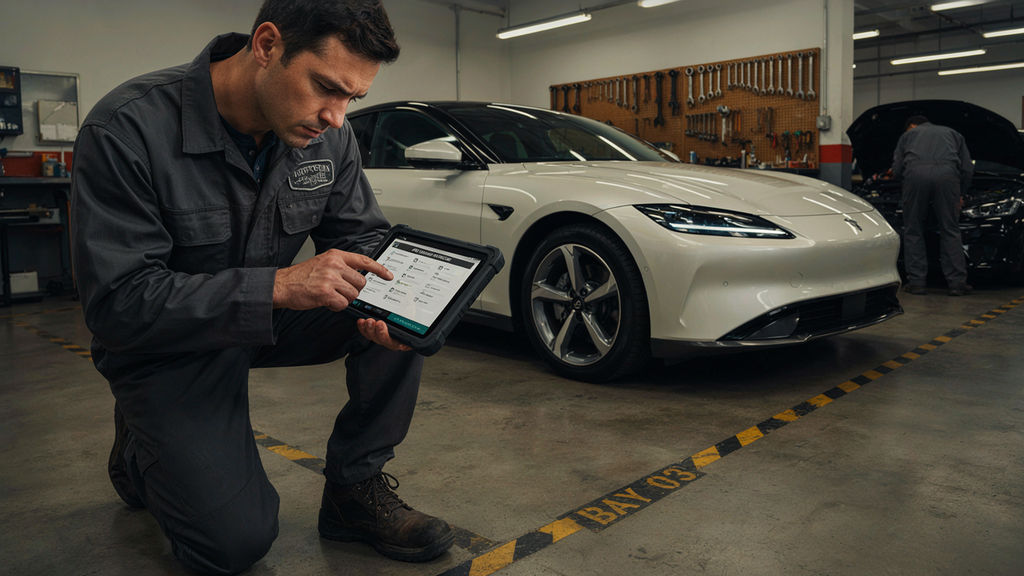
Whenever you install an accessory, take a few minutes to inspect the vehicle from different positions.
Stand:
- Directly in front
- Behind the vehicle
- At both rear corners
- At both front corners
- From a typical parking distance
Check whether any lights, signals, reflectors, cameras, or sensors are obstructed.
Then sit in the driver’s seat and make sure the accessory has not created a blind spot.
This small inspection can prevent an accessory from creating an unintended problem.
Final Thoughts
How to Upgrade Visibility Without Overdoing the Style comes down to one simple idea: improve communication, not decoration.
Start with the basics. Keep factory lights clean and functional. Maintain clear glass and mirrors. Make sure headlights are correctly aimed. Keep cameras and sensors unobstructed. If you add reflective or lighting accessories, choose high-quality products and use them sparingly.
A well-designed EV does not need to look like a rolling light show to be visible.
The best visibility modifications are often the ones you barely notice aesthetically but appreciate every time you drive at night, enter a busy intersection, park in a crowded area, or deal with poor weather.
For us, that is the right balance: make the EV easier to see without making it harder to understand, harder to operate, or unnecessarily complicated.
Frequently Asked Questions(FAQs)
1. What is the best way to improve EV visibility without changing its appearance?
Start by maintaining the factory lighting system, keeping the windshield and mirrors clean, checking headlight alignment, and keeping cameras and sensors unobstructed. Small reflective accents can then provide additional visibility without dramatically changing the vehicle’s appearance.
2. Are LED light strips a good visibility upgrade for EVs?
LED strips are not automatically a good visibility upgrade. Their usefulness depends on placement, brightness, color, installation quality, and local regulations. Poorly positioned lights can distract other road users or create glare, so functional lighting should take priority.
3. Can reflective stickers improve an EV’s nighttime visibility?
Reflective materials can make parts of an EV easier to notice when illuminated by another vehicle’s headlights. Small, strategically positioned accents can be useful, but excessive reflective graphics may create visual clutter and should never cover important lights or markings.
4. Should I install brighter headlights to improve EV visibility?
Brighter headlights are not necessarily safer or more effective. Beam pattern and proper aiming are equally important. An aftermarket light that produces excessive glare or poorly distributes illumination can reduce safety for other drivers even if it appears brighter.
5. How can I improve EV visibility in rain and bad weather?
Keep headlights, taillights, mirrors, windows, cameras, and sensors clean. Use appropriate windshield-wiper blades and washer fluid, maintain proper lighting, and reduce speed when conditions require it. Visibility upgrades cannot replace cautious driving in poor weather.
You might also like the following…
- 5 Proven Benefits of Electric Car Brake Service
 Electric car brake service is an important part of maintaining an electric vehicle, even though EVs often need brake pad replacements less frequently than gasoline-powered cars. Thanks to regenerative braking, electric cars can reduce friction-brake… Read more: 5 Proven Benefits of Electric Car Brake Service
 - 10 Essential Tips to Inspect Before a Long EV Road Trip Safely
 Planning a long electric vehicle road trip involves more than charging the battery to 100% and entering a destination into your navigation system. Before leaving home, it is worth checking your tires, brakes, charging equipment,… Read more: 10 Essential Tips to Inspect Before a Long EV Road Trip Safely
 - How to Avoid Wasting Money on Trendy EV Add-Ons
 How to Avoid Wasting Money on Trendy EV Add-Ons is becoming an important question for EV owners. Once you buy an electric vehicle, it is surprisingly easy to keep spending money on products that promise… Read more: How to Avoid Wasting Money on Trendy EV Add-Ons