
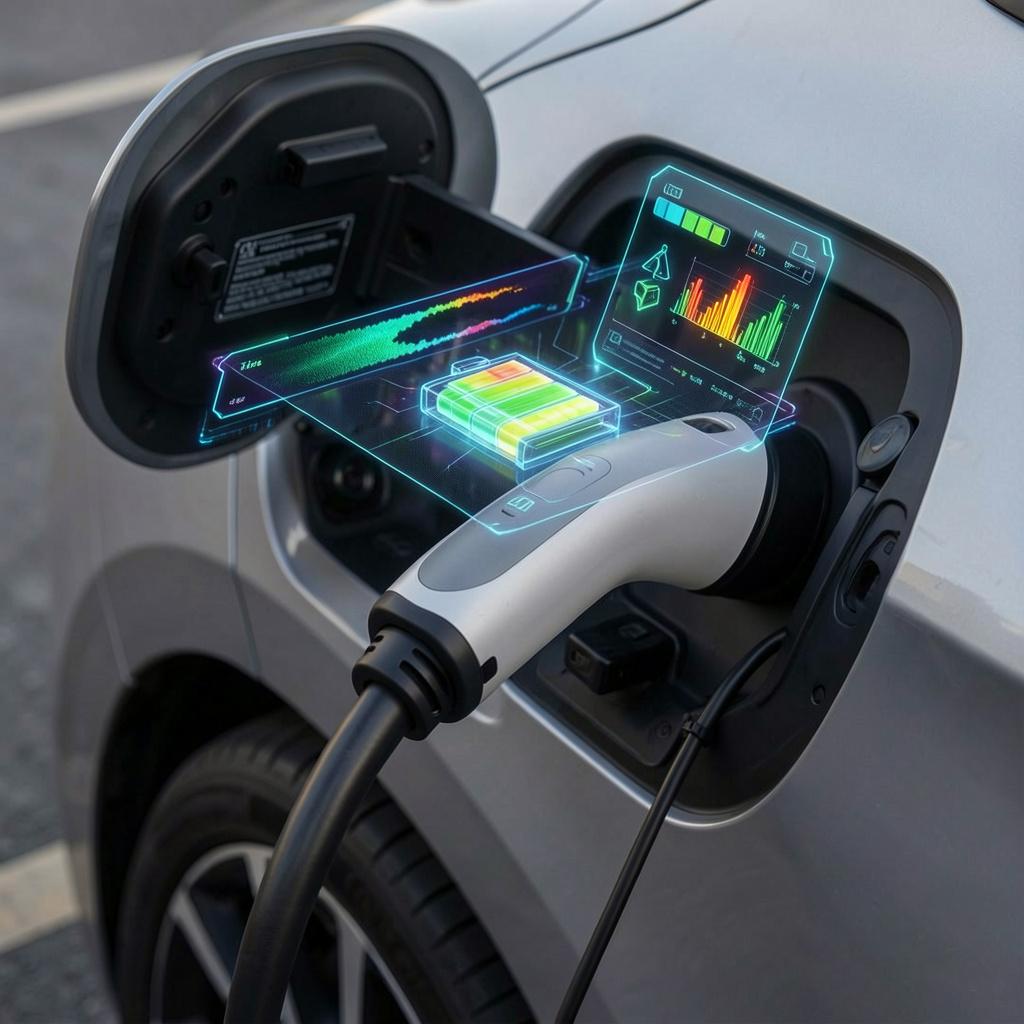
What EV Cooling Systems Need to Stay Healthy is a question every electric vehicle owner should understand, especially if they want to maximize battery life, maintain consistent performance, and avoid expensive repairs.
While most drivers focus on charging habits and driving range, the cooling system quietly works behind the scenes to protect some of the most valuable components in an EV. Without proper thermal management, excessive heat can reduce battery efficiency, limit charging speed, and accelerate long-term battery degradation.
Modern electric vehicles are engineered with sophisticated cooling systems that regulate the temperature of the battery pack, electric motor, power electronics, and charging components.
Whether you’re driving through heavy summer traffic, climbing steep mountain roads, or using a DC fast charger, your EV’s cooling system plays a vital role in keeping temperatures within a safe operating range.
At Engine Saga, our team has spent more than a decade evaluating electric vehicles in real-world conditions.
We’ve learned that healthy cooling systems are one of the most overlooked factors in long-term EV ownership. Drivers who understand how these systems work and maintain them properly often enjoy better battery health, more consistent driving range, and improved reliability over the life of their vehicle.
In this guide, we’ll explain how EV cooling systems function, why they matter, common problems to watch for, and the practical maintenance habits that help keep your electric vehicle performing at its best.
Why EV Cooling Systems Matter More Than Many Drivers Realize
Unlike gasoline vehicles, electric vehicles rely on large lithium-ion battery packs and powerful electric motors that generate heat during operation. Charging, acceleration, regenerative braking, and high-speed driving all produce thermal energy that must be carefully managed.
If temperatures rise too high, the battery management system (BMS) automatically limits performance to protect the battery. This can result in slower charging speeds, reduced acceleration, and shorter driving range until temperatures return to normal.
A properly functioning cooling system prevents these issues by maintaining a balanced operating temperature. It also helps preserve battery chemistry, extending the useful life of one of the most expensive components in the vehicle.
Simply put, effective cooling isn’t just about comfort it’s about protecting your EV’s performance and long-term value.
What Does an EV Cooling System Actually Cool?
Many first-time EV owners assume the cooling system only protects the battery. In reality, several important components depend on effective thermal management.
Battery Pack
The battery is the heart of an electric vehicle. Maintaining a stable temperature helps improve charging efficiency, preserve capacity, and reduce long-term wear.
Electric Motor
Although electric motors are highly efficient, they still generate heat under heavy acceleration, towing, or climbing steep hills. Cooling prevents overheating and helps maintain consistent power delivery.
Power Electronics
Components such as the inverter and converter regulate electrical energy between the battery and motor. These systems also produce heat and require reliable cooling for efficient operation.
Onboard Charger
During AC charging, the onboard charger converts electricity into a form the battery can safely store. Managing heat during this process improves charging efficiency and protects internal electronics.
Types of EV Cooling Systems
Not all electric vehicles use the same cooling technology. Manufacturers choose different systems based on vehicle size, battery capacity, intended use, and cost.
Air-Cooled Systems
Some early and entry-level EVs use air cooling to regulate battery temperature.
Instead of circulating coolant, these systems rely on fans and airflow around the battery pack.
Advantages
- Simpler design
- Lower manufacturing cost
- Reduced maintenance requirements
- Lightweight construction
Limitations
- Less effective during extreme temperatures
- Slower heat removal
- Reduced fast-charging performance
- Greater temperature fluctuations
Air-cooled systems can perform well in moderate climates but may struggle under heavy workloads or prolonged hot-weather driving.
Liquid-Cooled Systems
Most modern EVs use liquid cooling because it offers far better temperature control.
Coolant circulates through channels around the battery pack, electric motor, and power electronics, carrying excess heat to a radiator or heat exchanger where it is released.
Advantages
- Excellent temperature regulation
- Improved battery longevity
- Faster DC fast charging
- Better high-performance driving
- More consistent range
Limitations
- More complex design
- Requires periodic coolant inspections
- Higher repair costs if leaks occur
For drivers who regularly use fast chargers or travel long distances, liquid-cooled systems provide significant advantages.
Air Cooling vs. Liquid Cooling
| Feature | Air Cooling | Liquid Cooling |
| Cooling Efficiency | Moderate | Excellent |
| Battery Protection | Good | Excellent |
| Fast Charging Support | Limited | Excellent |
| Maintenance Needs | Low | Moderate |
| Extreme Climate Performance | Moderate | Excellent |
| Cost | Lower | Higher |
Although liquid cooling is more sophisticated, both systems can provide reliable performance when properly maintained and used within their design limits.
How Heat Affects EV Battery Health
Heat is one of the most significant factors influencing lithium-ion battery aging.
Repeated exposure to high temperatures accelerates chemical reactions inside battery cells, gradually reducing their ability to store energy. Over time, this results in lower driving range and slower charging performance.
Common situations that increase battery temperature include:
- Frequent DC fast charging
- Driving at high speeds for extended periods
- Heavy acceleration
- Climbing steep roads
- Hot summer weather
- Parking in direct sunlight for long periods
Fortunately, modern cooling systems work continuously to minimize these effects. However, drivers can also adopt habits that reduce unnecessary heat buildup.
Signs Your EV Cooling System May Need Attention
Most EV cooling systems operate quietly, making problems difficult to notice until warning messages appear. Recognizing early symptoms can help prevent more serious issues.
Watch for these signs:
- Battery temperature warnings
- Reduced charging speed
- Noticeably shorter driving range
- Cooling fan running continuously
- Warning lights related to thermal management
- Reduced vehicle performance
- Coolant leaks beneath the vehicle (liquid-cooled systems)
If any of these symptoms appear repeatedly, schedule an inspection with a qualified EV technician rather than ignoring the warning.
Daily Habits That Help Keep EV Cooling Systems Healthy
The good news is that drivers can support their EV’s cooling system through simple everyday practices.
Avoid Consecutive Fast-Charging Sessions
Fast charging generates more heat than Level 2 charging. Allowing the battery time to cool between sessions reduces thermal stress.
Park in the Shade During Hot Weather
Whenever possible, choose covered parking or shaded areas. Lower ambient temperatures reduce the workload placed on the cooling system.
Precondition Before Driving or Charging
Many modern EVs allow drivers to precondition the battery using the manufacturer’s mobile app. This helps the battery reach its ideal operating temperature before heavy use or fast charging.
Maintain Proper Tire Pressure
Underinflated tires increase rolling resistance, forcing the vehicle to consume more energy and indirectly generating additional heat during operation.
Drive Smoothly
Gentle acceleration and steady speeds reduce the amount of heat produced by both the battery and electric motor.
Does Climate Affect Cooling System Performance?
Absolutely.
Extreme heat challenges every electric vehicle, regardless of battery size or cooling technology. High outside temperatures make it harder for cooling systems to remove excess heat, especially during highway driving or repeated fast charging.
Cold weather presents different challenges. Batteries become less efficient in freezing conditions, and some cooling systems also function as heating systems to warm the battery before charging or driving.
Manufacturers continuously improve thermal management systems to handle both hot and cold climates, but smart driving and charging habits remain equally important.
Preventive Maintenance Checklist for EV Cooling Systems
One of the greatest advantages of owning an electric vehicle is that it requires less routine maintenance than a gasoline-powered car. However, “less maintenance” does not mean “no maintenance.” Your EV’s cooling system still deserves regular attention to ensure it continues protecting the battery, motor, and power electronics.
Following a simple preventive maintenance routine can help avoid overheating issues, improve efficiency, and extend the life of expensive components.
EV Cooling System Maintenance Checklist
| Maintenance Task | Recommended Frequency | Why It Matters |
| Check coolant level (liquid-cooled EVs) | As recommended by the manufacturer | Prevents overheating and maintains efficient heat transfer |
| Inspect coolant hoses and connections | Every service visit | Detects leaks or wear before they become serious |
| Clean front radiator or cooling vents | Every few months | Improves airflow and cooling performance |
| Update vehicle software | When updates are available | Manufacturers often improve thermal management algorithms |
| Monitor battery temperature alerts | Continuously | Early detection prevents costly repairs |
| Schedule professional EV inspections | Annually | Ensures all thermal management components operate correctly |
A few minutes of preventive care each year can help protect one of the most expensive systems in your electric vehicle.
Coolant Inspection and Replacement
If your EV uses a liquid-cooled battery system, coolant plays a critical role in transferring heat away from sensitive components.
Unlike engine coolant in traditional vehicles, EV coolant often lasts much longer. Some manufacturers recommend inspection rather than frequent replacement, while others specify replacement intervals based on mileage or years of ownership.
Never assume all EV coolants are the same. Different manufacturers use different coolant formulations designed specifically for their thermal management systems. Using the wrong coolant may reduce cooling efficiency or even damage components.
If coolant replacement is required, always follow the manufacturer’s specifications or have the work performed by a qualified EV service technician.
Common Cooling System Mistakes EV Owners Should Avoid
Even experienced drivers sometimes develop habits that place unnecessary stress on an EV’s cooling system. Fortunately, these mistakes are easy to avoid once you understand how thermal management works.
1. Repeated Fast Charging Without Cooling Breaks
DC fast charging is convenient, but charging several times back-to-back generates significant battery heat. Allowing time between sessions gives the cooling system an opportunity to stabilize battery temperature.
2. Ignoring Warning Messages
Modern EVs continuously monitor battery and cooling system temperatures. If a warning appears, don’t dismiss it as a temporary glitch. Addressing thermal alerts early can prevent more serious problems later.
3. Parking in Extreme Heat for Long Periods
Leaving an EV in direct sunlight for hours during hot weather increases battery temperature before you even begin driving. Whenever possible, choose shaded or covered parking.
4. Skipping Software Updates
Many automakers improve battery management and thermal control through over-the-air software updates. Installing these updates helps your cooling system perform more efficiently.
5. Delaying Routine Inspections
Cooling systems rarely fail without warning. Regular inspections can identify coolant leaks, damaged hoses, clogged radiators, or worn components before they affect vehicle performance.
Long-Term Habits That Protect Battery Cooling Performance
Maintaining a healthy cooling system is not just about servicing the vehicle. it also depends on everyday driving and charging habits.
To maximize battery life and thermal efficiency:
- Use Level 2 charging for everyday charging whenever practical.
- Reserve DC fast charging primarily for road trips or when you genuinely need quicker charging.
- Avoid leaving the battery at 100% charge for extended periods unless preparing for a longer journey.
- Reduce aggressive acceleration during extremely hot weather.
- Keep the vehicle’s software up to date.
- Follow the manufacturer’s recommended maintenance schedule.
- Address warning lights promptly rather than waiting for performance to decline.
These simple practices help reduce heat buildup and allow the cooling system to work more efficiently over the life of the vehicle.
The Future of EV Cooling Technology
Electric vehicle thermal management continues to evolve as battery technology advances.
Future EVs are expected to feature even more sophisticated cooling systems capable of improving charging speed, increasing efficiency, and extending battery lifespan.
Some innovations already being introduced include:
Smarter Battery Management Software
Artificial intelligence and predictive thermal algorithms are helping vehicles anticipate temperature changes before they occur, improving battery efficiency and reducing unnecessary cooling.
Improved Heat Pump Systems
Modern heat pumps reduce energy consumption for both cabin climate control and battery temperature management, particularly during cold weather.
Advanced Cooling Plates
Manufacturers are designing thinner and more efficient cooling plates that distribute temperature more evenly across battery cells, reducing localized hotspots.
Next-Generation Battery Chemistries
Emerging battery technologies are being engineered to tolerate higher operating temperatures while maintaining long-term durability, reducing stress on cooling systems.
As these technologies mature, future EVs will become even more reliable, efficient, and capable in a wider range of climates.
Why Cooling System Health Matters for Resale Value
Many EV buyers focus on mileage when evaluating a used electric vehicle, but battery condition is often even more important. Since the cooling system directly affects battery health, maintaining it properly can help preserve your vehicle’s long-term value.
A well-maintained cooling system supports:
- Better battery capacity retention
- More consistent driving range
- Faster charging performance
- Lower risk of thermal-related repairs
- Greater buyer confidence during resale
Keeping service records and following the recommended maintenance schedule can make your EV more attractive to future buyers.
Final Verdict: What EV Cooling Systems Need to Stay Healthy
An EV’s cooling system is one of the most important yet least visible components in the entire vehicle. It quietly protects the battery, electric motor, power electronics, and charging system every time you drive or recharge.
Whether your vehicle uses air cooling or liquid cooling, proper thermal management plays a direct role in battery longevity, charging efficiency, driving range, and overall reliability. By combining regular maintenance with smart charging and driving habits, you can significantly reduce thermal stress and help your EV perform at its best for years to come.
At Engine Saga, our experience shows that owners who understand and care for their cooling systems often enjoy lower operating costs, healthier batteries, and a better long-term ownership experience. A few simple preventive habits today can protect one of the most valuable components in your electric vehicle tomorrow.
Frequently Asked Questions (FAQs)
1. Why is an EV cooling system important for battery life?
An EV cooling system keeps the battery within its ideal operating temperature, preventing excessive heat that can accelerate battery degradation. Effective thermal management improves charging performance, maintains driving range, and helps extend the battery’s overall lifespan
2. Do all electric vehicles use liquid cooling systems?
No. Some entry-level and older electric vehicles use air-cooled battery systems, while most modern EVs use liquid cooling for better temperature control. Liquid-cooled systems generally provide improved battery protection, faster charging, and better performance in extreme climates.
3. How can I tell if my EV cooling system has a problem?
Common warning signs include battery temperature alerts, slower charging speeds, reduced driving range, continuous cooling fan operation, coolant leaks, or reduced vehicle performance. If these symptoms occur repeatedly, have the vehicle inspected by a qualified EV technician.
4. Does fast charging affect the cooling system?
Yes. DC fast charging generates considerably more heat than Level 2 charging. Modern cooling systems are designed to manage this heat, but frequent back-to-back fast-charging sessions can increase thermal stress if the battery doesn’t have enough time to cool.
5. How often should an EV cooling system be serviced?
Service intervals vary by manufacturer and cooling system design. Many liquid-cooled EVs require periodic coolant inspections rather than frequent replacements. Always follow the maintenance schedule in your owner’s manual and complete recommended software updates to maintain optimal thermal performance.
You might also like the following…
- 5 Proven Benefits of Electric Car Brake Service
 Electric car brake service is an important part of maintaining an electric vehicle, even though EVs often need brake pad replacements less frequently than gasoline-powered cars. Thanks to regenerative braking, electric cars can reduce friction-brake… Read more: 5 Proven Benefits of Electric Car Brake Service
 - 10 Essential Tips to Inspect Before a Long EV Road Trip Safely
 Planning a long electric vehicle road trip involves more than charging the battery to 100% and entering a destination into your navigation system. Before leaving home, it is worth checking your tires, brakes, charging equipment,… Read more: 10 Essential Tips to Inspect Before a Long EV Road Trip Safely
 - How to Avoid Wasting Money on Trendy EV Add-Ons
 How to Avoid Wasting Money on Trendy EV Add-Ons is becoming an important question for EV owners. Once you buy an electric vehicle, it is surprisingly easy to keep spending money on products that promise… Read more: How to Avoid Wasting Money on Trendy EV Add-Ons