
Electric vehicles are often promoted as a smarter, cleaner, and more affordable alternative to gasoline-powered cars. Lower fuel costs, fewer moving parts, and reduced maintenance expenses have encouraged millions of drivers to consider making the switch.
While these benefits are real, many first-time buyers focus only on the sticker price and estimated fuel savings, overlooking several ownership costs that appear after they bring the vehicle home.
At Engine Saga, we’ve spent years testing EVs in real-world conditions and speaking with owners who use their vehicles for daily commuting, long-distance travel, and family transportation. One pattern appears repeatedly: the happiest EV owners are the ones who understand the complete cost of ownership before they buy, not after.
The good news is that most hidden costs aren’t deal-breakers. They simply require better planning and realistic expectations. Knowing about them in advance helps you budget wisely, avoid surprises, and enjoy a smoother ownership experience.
In this guide, we’ll break down the hidden costs of EV ownership that many new buyers forget, explain why they matter, and share practical tips to reduce their financial impact.
Hidden Costs of EV Ownership New Buyers Forget
Buying an EV involves more than the purchase price and monthly charging costs. Several additional expenses may arise during ownership, depending on your driving habits, location, and charging preferences.
Common overlooked costs include:
- Home charger installation
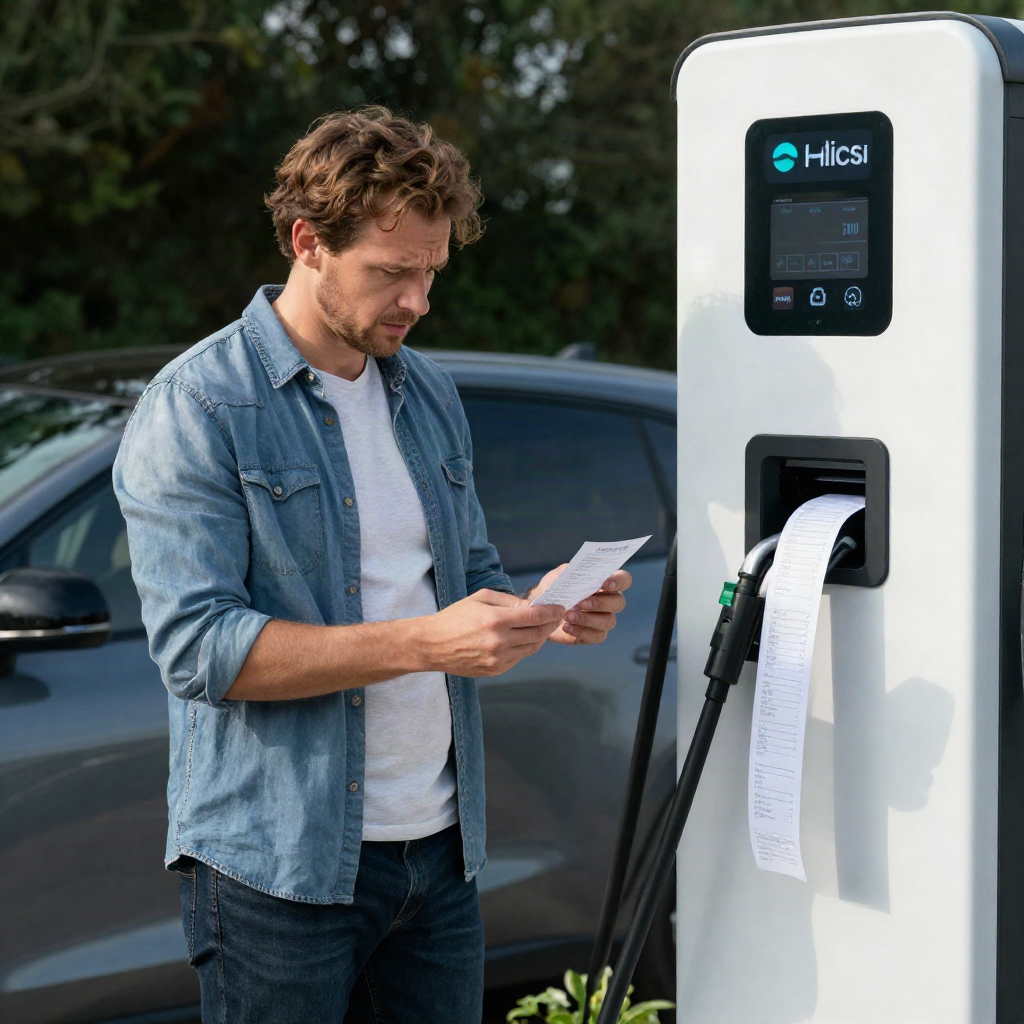
- Public charging fees
- Electricity rate variations
- Tire replacement
- Insurance premiums
- Software subscriptions
- Registration and licensing fees
- Battery care expenses
- Charging accessories
- Long-distance travel planning
Understanding these costs gives buyers a more realistic picture of what EV ownership actually looks like.
Why Total Ownership Cost Matters More Than Purchase Price
Many shoppers compare vehicles using only their purchase price.
While that’s an important factor, the total cost of ownership often provides a much more accurate comparison.
Ownership costs include:
- Vehicle financing
- Electricity
- Insurance
- Maintenance
- Tires
- Registration
- Charging equipment
- Depreciation
- Optional subscriptions
Two vehicles with similar purchase prices can have noticeably different ownership costs over several years.
Looking beyond the showroom price leads to better buying decisions.
Home Charger Installation Costs
One of the first expenses many buyers encounter is installing a home charging station.
Although some owners rely on a standard household outlet, many eventually upgrade to a Level 2 charger for faster and more convenient charging.
Installation costs may vary depending on:
- Electrical panel capacity
- Distance from the panel
- Wiring requirements
- Labor costs
- Local electrical codes
- Permit requirements
Homes with older electrical systems may require additional upgrades before installation.
Planning for this expense before purchasing an EV helps prevent unexpected costs during the first few weeks of ownership.
Public Charging Can Cost More Than Expected
Home charging is generally the most economical option.
However, drivers who frequently rely on public charging stations may spend more than expected.
Public charging costs vary based on:
- Charging network
- Charging speed
- Time of day
- Membership discounts
- Regional electricity pricing
Fast DC charging usually costs more than slower Level 2 charging.
For drivers who regularly travel long distances, these costs can add up over time.
Electricity Rates Aren’t Always the Same
Many buyers assume electricity prices remain constant.
In reality, utility companies often use time-of-use pricing, where electricity costs change throughout the day.
Charging during peak hours may increase monthly energy expenses.
Many EV owners reduce costs by:
- Charging overnight
- Using off-peak rates
- Scheduling charging sessions
- Monitoring energy usage
Learning your utility company’s pricing structure can produce noticeable long-term savings.
Tire Replacement May Be More Frequent
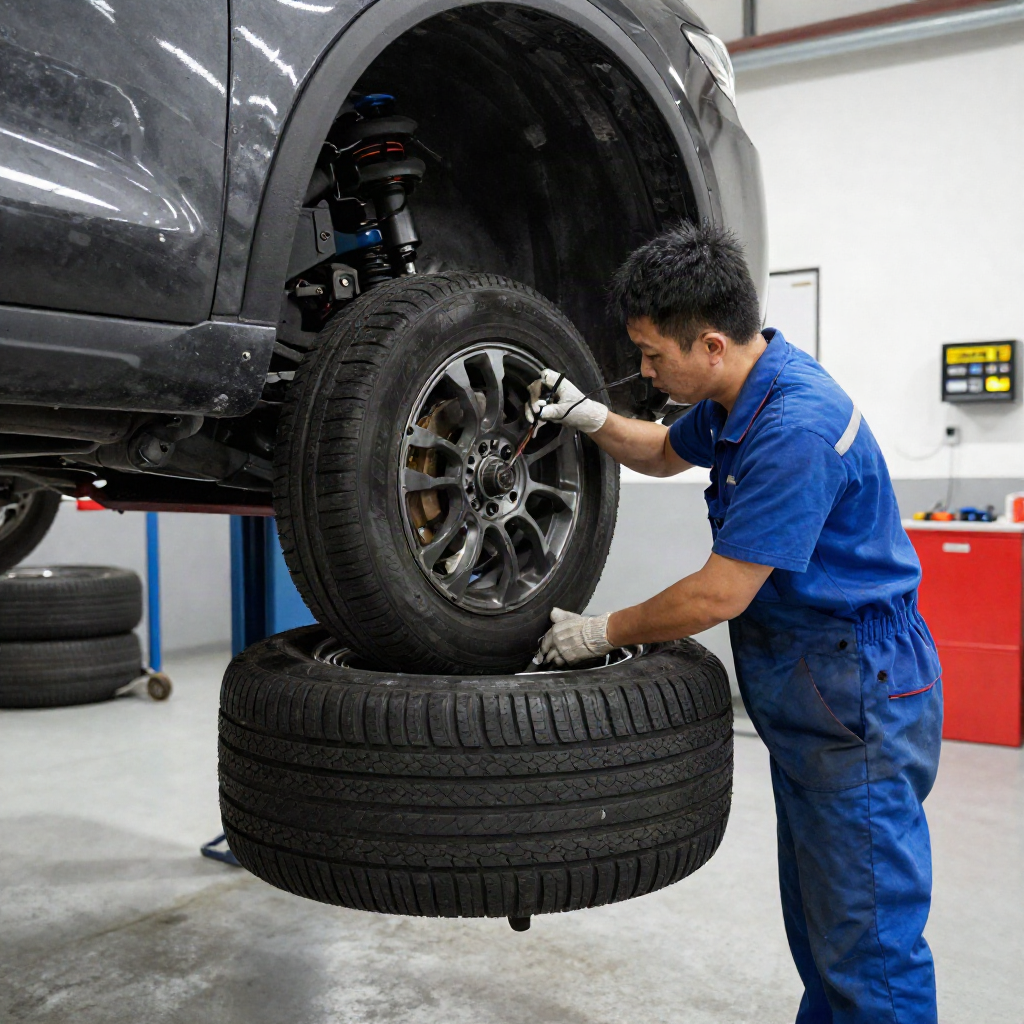
Electric vehicles often accelerate quickly and carry additional weight due to their battery packs.
These factors can increase tire wear compared with some conventional vehicles.
Tire lifespan depends on:
- Driving style
- Vehicle weight
- Tire quality
- Road conditions
- Tire pressure maintenance
Choosing high-quality replacement tires and maintaining proper tire pressure helps maximize tire life.
Insurance Premiums Can Be Higher
Insurance costs vary widely depending on the vehicle model, repair costs, location, and driver profile.
Some EVs have higher insurance premiums because of:
- Advanced technology
- Specialized repair procedures
- Battery replacement costs
- Limited repair facilities
Obtaining insurance quotes before purchasing an EV provides a clearer understanding of total ownership expenses.
Charging Accessories Add Up
Many new owners purchase additional charging equipment after buying their vehicle.
Popular accessories include:
- Portable charging cables
- Adapter plugs
- Cable organizers
- Protective carrying cases
- Extension solutions approved by manufacturers
- Weather-resistant charging covers
While each purchase may seem small individually, together they can increase your initial ownership costs.
Software Features and Subscription Services
Modern EVs increasingly rely on software to deliver new features.
Some manufacturers offer optional subscriptions for:
- Advanced navigation
- Connected vehicle services
- Premium entertainment
- Remote climate control
- Driver assistance upgrades
These monthly or annual subscriptions aren’t mandatory, but they can become recurring ownership expenses.
Before purchasing an EV, review which features are included permanently and which require ongoing payments.
Registration and Licensing Fees
Some regions charge additional registration fees for electric vehicles.
These fees may help offset reduced fuel tax revenue traditionally used to maintain public roads.
Depending on where you live, annual registration costs may differ from those of gasoline-powered vehicles.
Checking local regulations before purchasing helps you budget more accurately.
Battery Health Requires Good Habits
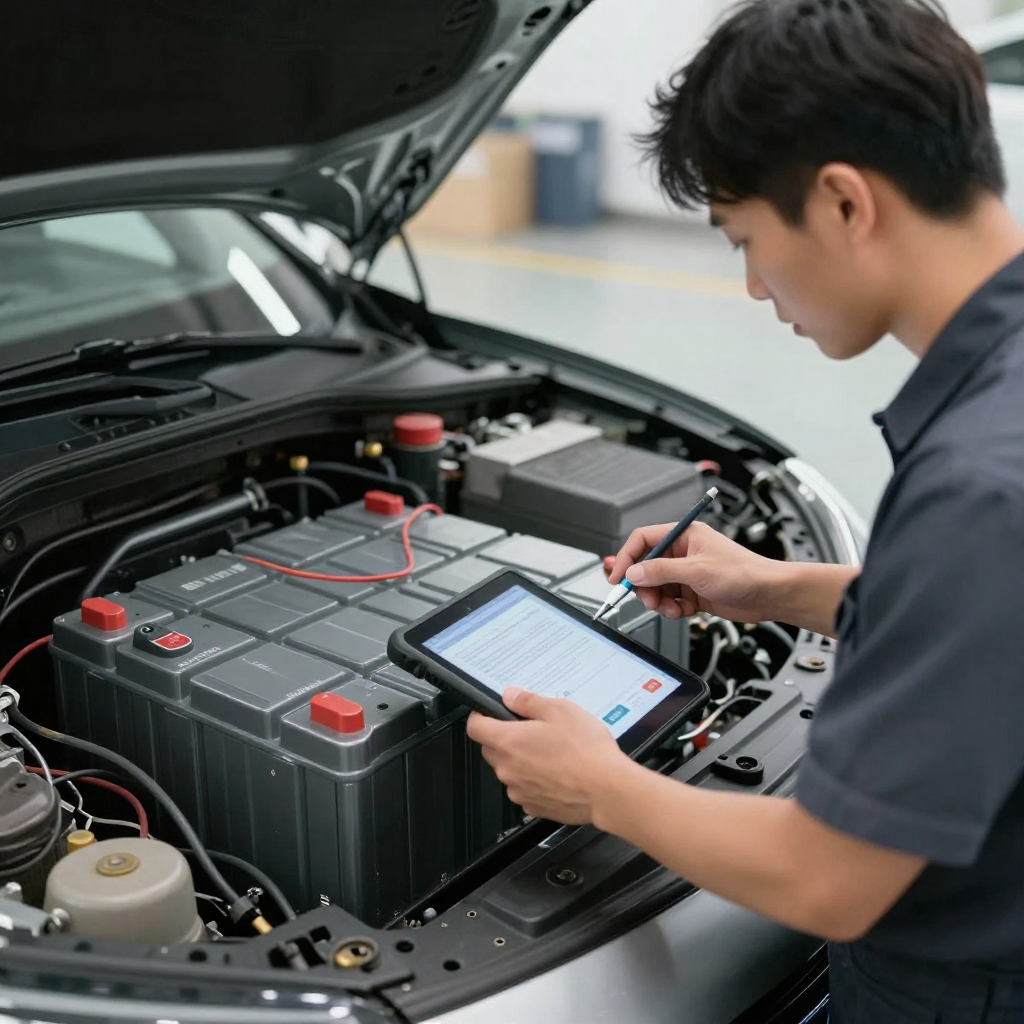
Modern EV batteries are designed to last many years, but maintaining long-term performance requires proper charging habits.
Poor practices can contribute to faster battery degradation over time.
Helpful habits include:
- Avoiding unnecessary fast charging
- Limiting extended storage at very high or very low battery levels
- Parking in shaded areas during extreme heat
- Following manufacturer charging recommendations
Although these habits don’t usually involve direct costs, neglecting battery care can affect long-term vehicle value and performance.
The Cost of Time During Charging
One hidden ownership cost isn’t measured in money. it’s measured in time.
Drivers transitioning from gasoline vehicles may underestimate how charging fits into their routine.
Fortunately, most home charging occurs overnight while the vehicle is parked.
However, public charging during road trips requires planning and occasional waiting.
Experienced EV owners often combine charging stops with meals, shopping, or rest breaks, making charging time feel far less disruptive.
How We Measure Real Ownership Costs at Engine Saga
At Engine Saga, we evaluate EV ownership from the perspective of everyday drivers rather than relying solely on manufacturer estimates.
During long-term testing, we track expenses beyond electricity consumption, including charging equipment, tire wear, insurance differences, maintenance visits, and public charging costs.
We also pay attention to convenience factors that indirectly influence ownership costs. For example, choosing a reliable home charging setup often reduces unnecessary trips to public chargers, while proper tire maintenance improves efficiency and extends tire life.
Our goal isn’t simply to calculate expenses. it’s to understand how ownership decisions affect both your budget and your daily driving experience. In many cases, a small investment in preventive care or smart charging habits saves considerably more over the life of the vehicle.
Small Hidden Costs That Add Up Over Time
Many ownership expenses appear insignificant on their own but become noticeable over several years.
Examples include:
| Hidden Cost | Long-Term Impact |
| Charging accessories | Higher initial setup cost |
| Premium charging memberships | Ongoing annual expense |
| Tire replacements | Increased maintenance budget |
| Software subscriptions | Recurring monthly payments |
| Registration fees | Higher annual ownership costs |
| Public fast charging | Increased travel expenses |
Individually, these costs may seem manageable. Together, they create a more complete picture of real EV ownership.
Which Hidden Costs Surprise New EV Owners the Most?
After speaking with EV owners and conducting long-term vehicle evaluations, we’ve noticed that certain expenses catch first-time buyers off guard more often than others.
Public Fast Charging During Frequent Travel
Many buyers calculate their charging costs based only on home electricity rates. However, drivers who frequently use DC fast chargers during road trips may spend considerably more than expected.
Although public charging is still often less expensive than fueling a comparable gasoline vehicle, regular reliance on fast chargers can noticeably increase monthly operating costs.
Home Electrical Upgrades
Installing a Level 2 charger isn’t always as simple as mounting equipment on a wall.
Some homes require:
- Electrical panel upgrades
- Additional circuit breakers
- Longer cable runs
- Professional inspections
- Local permits
These improvements are usually one-time investments, but they should be included in your purchase budget.
Premium Tires
Many EV manufacturers equip their vehicles with specialized low rolling resistance tires designed to improve efficiency.
While these tires help maximize driving range, they can sometimes cost more to replace than conventional alternatives.
Choosing the correct replacement tires maintains both efficiency and safety.
Unexpected Accessory Purchases
Once drivers begin using their EV every day, many decide to purchase additional items such as:
- Portable emergency chargers
- Charging cable storage bags
- Trunk organizers
- Screen protectors
- Floor mats
- Mobile charging adapters
Individually, these purchases appear minor, but together they increase the overall ownership cost.
Practical Ways to Reduce EV Ownership Costs
The good news is that many hidden expenses can be minimized through smart planning and good ownership habits.
Charge at Home Whenever Possible
Home charging is typically the most cost-effective option for daily driving.
Scheduling charging during off-peak electricity hours can further reduce monthly energy expenses.
Compare Charging Networks
Public charging prices vary between providers.
Using multiple charging apps allows you to compare:
- Pricing
- Charging speed
- Membership discounts
- Station availability
A few minutes of planning can lead to meaningful savings over time.
Maintain Proper Tire Pressure
Correct tire pressure improves:
- Driving range
- Tire lifespan
- Handling
- Energy efficiency
Simple monthly tire inspections can delay replacement and reduce operating costs.
Avoid Unnecessary Fast Charging
Fast charging is extremely convenient for long-distance travel, but regular home charging places less stress on the battery and is usually less expensive.
Using each charging method appropriately helps balance convenience, battery health, and long-term ownership costs.
Review Subscription Services
Some software features may appear attractive during purchase but offer limited long-term value.
Review optional subscriptions periodically and keep only those you genuinely use.
Common Myths About EV Ownership Costs
Myth 1: EVs Have No Maintenance Costs
Reality: Electric vehicles require less maintenance than gasoline vehicles, but they still need tire rotations, brake inspections, cabin air filter replacements, suspension checks, and software updates.
Myth 2: Charging Is Always Extremely Cheap
Electricity generally costs less than gasoline, but charging expenses vary based on location, charging method, and utility rates.
Drivers who rely heavily on public fast charging may spend more than expected.
Myth 3: Battery Replacement Is an Immediate Concern
Modern EV batteries are engineered for long service lives and are backed by manufacturer warranties. With proper care, most owners will enjoy many years of dependable performance before major battery concerns arise.
Myth 4: Every EV Costs the Same to Own
Ownership costs vary significantly depending on:
- Vehicle size
- Battery capacity
- Insurance rates
- Driving habits
- Charging methods
- Local electricity prices
Comparing total ownership costs provides a much clearer picture than comparing purchase prices alone.
Are EVs Still More Affordable in the Long Run?
For many drivers, the answer is yes.
Despite the hidden costs discussed throughout this guide, electric vehicles often remain less expensive to own over several years because they generally require:
- Less routine maintenance
- No engine oil changes
- Fewer mechanical repairs
- Lower daily energy costs
- Reduced brake wear through regenerative braking
However, actual savings depend on your individual driving patterns, local electricity rates, insurance costs, and charging habits.
Understanding every ownership expense allows buyers to make realistic financial decisions rather than relying solely on advertised savings.
Engine Saga’s Real-World Perspective
After years of testing electric vehicles in everyday conditions, we’ve learned that successful EV ownership begins with realistic expectations.
Most hidden costs aren’t unexpected because EVs are expensive. They’re unexpected because many buyers focus only on the purchase price and estimated fuel savings.
Drivers who plan for charger installation, compare insurance options, learn local electricity pricing, and follow healthy battery practices usually report the most satisfying ownership experiences.
At Engine Saga, we’ve found that informed owners rarely regret their decision to switch to electric. Instead, they appreciate knowing the full picture before making their investment.
Final Verdict
The hidden costs of EV ownership shouldn’t discourage anyone from considering an electric vehicle. Instead, they should encourage smarter planning.
When you understand expenses such as home charging equipment, insurance, tire replacement, public charging, software subscriptions, and registration fees, you’re far better prepared for long-term ownership.
Electric vehicles continue to offer meaningful advantages, including lower routine maintenance, quieter driving, impressive efficiency, and reduced fuel expenses. The key is looking beyond the showroom price and evaluating the complete ownership experience.
At Engine Saga, our real-world testing continues to show that buyers who understand these hidden costs before purchasing enjoy smoother ownership, fewer financial surprises, and greater confidence in their decision to drive electric.
Frequently Asked Questions
1. What is the most commonly overlooked cost when buying an EV?
Many first-time buyers overlook the cost of installing a Level 2 home charger. Depending on the home’s electrical system and installation requirements, this one-time expense can significantly affect the initial ownership budget.
2. Is public charging more expensive than charging at home?
In most situations, yes. Home charging usually offers lower electricity costs, especially during off-peak hours. Public fast charging provides convenience during travel but generally costs more than charging from a residential power supply.
3. Do EV tires wear out faster than tires on gasoline vehicles?
Some EVs place greater demands on tires because of their instant torque and additional battery weight. Driving habits, tire quality, alignment, and proper inflation all influence how long tires will last.
4. Can good charging habits reduce long-term ownership costs?
Absolutely. Charging at home, avoiding excessive fast charging when unnecessary, maintaining recommended battery levels, and following manufacturer guidelines can help preserve battery health and improve overall ownership value.
5. Are electric vehicles still worth buying despite these hidden costs?
For many drivers, yes. When you consider lower routine maintenance, reduced energy costs, fewer mechanical components, and improving charging infrastructure, EVs often provide excellent long-term value. Understanding the complete cost of ownership simply helps you budget more accurately.
You might also like the following…
- 5 Proven Benefits of Electric Car Brake Service
 Electric car brake service is an important part of maintaining an electric vehicle, even though EVs often need brake pad replacements less frequently than gasoline-powered cars. Thanks to regenerative braking, electric cars can reduce friction-brake… Read more: 5 Proven Benefits of Electric Car Brake Service
 - 10 Essential Tips to Inspect Before a Long EV Road Trip Safely
 Planning a long electric vehicle road trip involves more than charging the battery to 100% and entering a destination into your navigation system. Before leaving home, it is worth checking your tires, brakes, charging equipment,… Read more: 10 Essential Tips to Inspect Before a Long EV Road Trip Safely
 - How to Avoid Wasting Money on Trendy EV Add-Ons
 How to Avoid Wasting Money on Trendy EV Add-Ons is becoming an important question for EV owners. Once you buy an electric vehicle, it is surprisingly easy to keep spending money on products that promise… Read more: How to Avoid Wasting Money on Trendy EV Add-Ons