
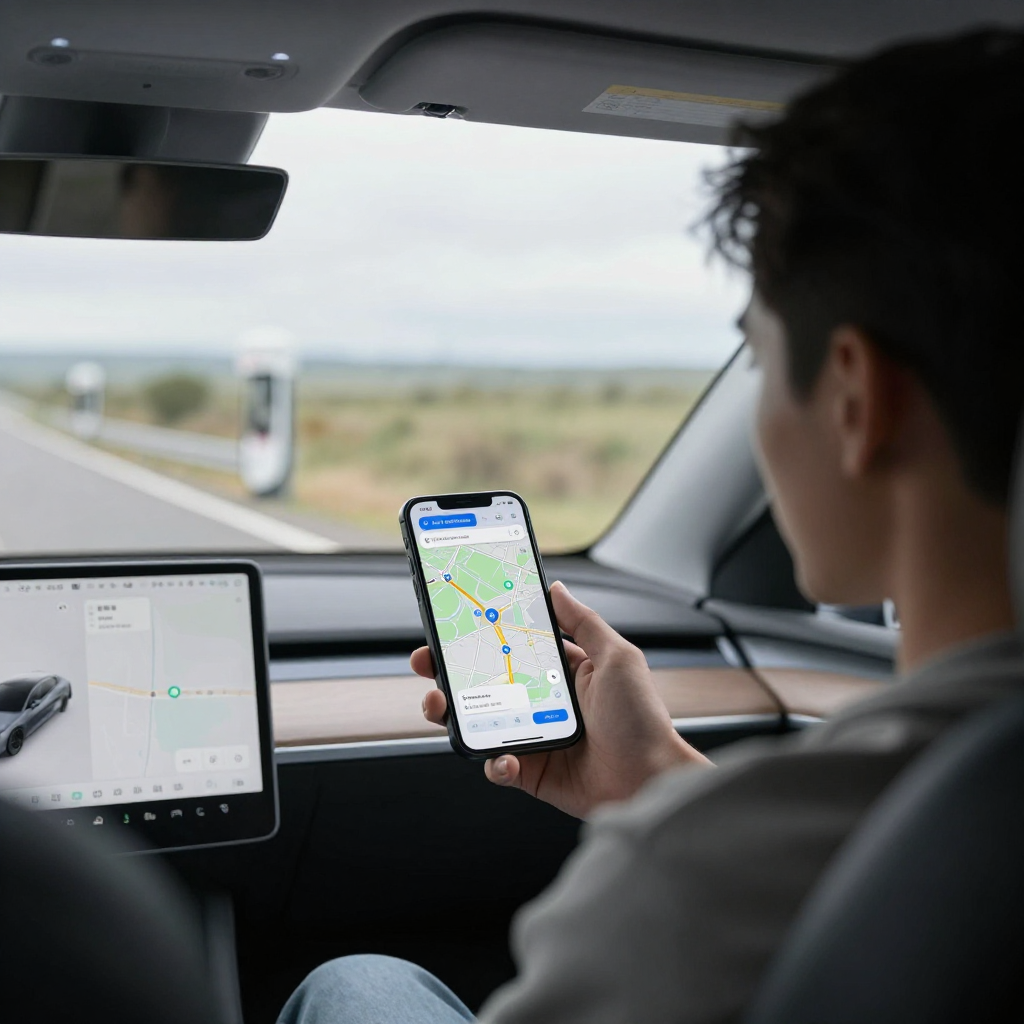
Planning a long-distance trip in an electric vehicle is much easier today than it was just a few years ago. Public charging networks have expanded rapidly, navigation systems now recommend charging stops automatically, and mobile apps provide real-time information about charging stations. Yet one question still concerns many EV drivers before they leave home: Can you really trust charger availability for long-distance travel?
At Engine Saga, we’ve spent years evaluating electric vehicles in real-world conditions rather than relying only on official specifications or promotional material.
Our road tests have covered busy city routes, interstate highways, rural backroads, and cross-state journeys. While EV technology has advanced tremendously, we’ve learned that successful road trips depend on more than battery capacity alone.
Charger availability can make the difference between a smooth journey and an unexpected delay.
The good news is that public charging has become far more dependable. However, no charging network is perfect. Stations occasionally become occupied, maintenance issues arise, weather affects travel patterns, and unexpected queues can develop during holidays or peak travel periods.
In this guide, we’ll explain how reliable charger availability really is, what factors influence it, and how experienced EV drivers plan ahead to travel with greater confidence.
Can You Trust Charger Availability for Long-Distance Travel?
The short answer is yes-but with realistic expectations.
Most major highways throughout the United States now feature growing networks of fast chargers from multiple providers. Navigation apps and charging platforms continue to improve their real-time accuracy, making it easier than ever to locate available chargers.
However, availability should never be viewed as a guarantee.
Unlike traditional fuel stations that usually have numerous pumps available, many charging sites still operate with a limited number of charging stalls. If one or two chargers become occupied or temporarily unavailable, waiting times can increase quickly.
Trusting charger availability means understanding both its strengths and its limitations.
Why Charger Availability Matters More on Long Trips
Daily commuting usually offers flexibility. If your preferred charger is occupied, another station may be only a few minutes away.
Long-distance travel is different.
Drivers often depend on specific charging locations positioned between major destinations. Missing one charging opportunity may require driving considerably farther to reach the next station.
This makes accurate charger information especially valuable during:
- Interstate travel
- Holiday road trips
- Rural driving
- Mountain routes
- Cross-country journeys
Proper planning reduces uncertainty while giving drivers multiple charging options if conditions change unexpectedly.
How Charging Networks Track Availability
Modern charging networks constantly communicate with their charging stations through internet-connected systems.
Most charging apps display live information such as:
- Available chargers
- Occupied chargers
- Chargers currently in use
- Stations under maintenance
- Charging speed
- Estimated wait times
Although these updates are generally accurate, occasional delays can occur because information depends on network connectivity and software synchronization.
What Can Affect Charger Availability?
Several factors influence whether a charging station will actually be available when you arrive.
High Travel Demand
Busy travel weekends often increase charger usage dramatically.
Popular holiday periods may include:
- Thanksgiving
- Christmas
- Memorial Day
- Labor Day
- Summer vacation weekends
During these times, drivers should expect longer waiting periods at major highway charging hubs.
Charging Station Maintenance
Like any public infrastructure, EV chargers occasionally require repairs or software updates.
Temporary maintenance may include:
- Hardware replacement
- Payment system updates
- Network connectivity issues
- Cable repairs
Most charging apps identify stations currently under maintenance, but recent user reports often provide additional helpful details.
Limited Number of Charging Stalls
Many early charging locations contain only a handful of fast chargers.
If several drivers arrive simultaneously, short queues can develop even when every charger functions correctly.
Fortunately, newer charging installations increasingly include larger numbers of charging stalls to reduce waiting times.
Weather Conditions
Extreme weather indirectly affects charger availability.
Cold temperatures may:
- Increase charging demand
- Reduce driving range
- Encourage more frequent charging stops
Severe weather events can also temporarily interrupt power or slow travel, concentrating more vehicles at fewer charging locations.
The Role of Charging Apps During Road Trips
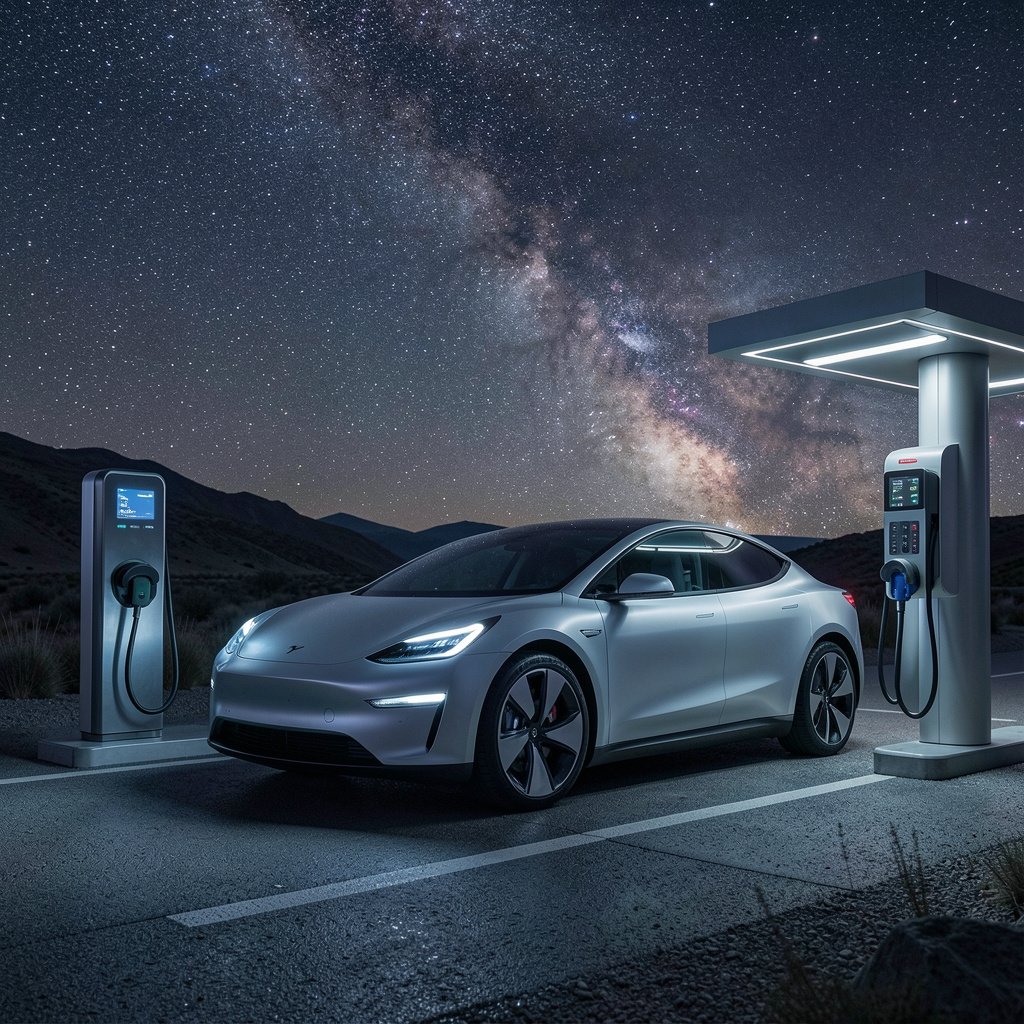
Charging apps have become one of the most valuable tools for modern EV travel.
Rather than simply displaying charger locations, today’s apps provide real-time decision-making support.
Useful features include:
- Live availability
- Route planning
- Connector compatibility
- User reviews
- Charging costs
- Navigation integration
- Favorite locations
- Trip history
These tools help drivers make informed decisions before arriving at a charging station.
Our Engine Saga Road Trip Experience
At Engine Saga, we rarely depend on a single charging network during long-distance testing.
Instead, every route includes both primary charging stops and backup options. Before departure, we compare several charging apps to verify station availability, charging speeds, pricing, and recent driver feedback.
On one interstate evaluation, our planned charging stop appeared available during initial planning. As we approached, live updates showed every fast charger had become occupied due to heavy holiday traffic. Because we had already identified an alternative station just a short distance away, we avoided a lengthy wait and stayed on schedule.
Experiences like this reinforce an important lesson: charger availability is highly reliable when combined with thoughtful planning, but relying on a single charging location without alternatives introduces unnecessary risk.
Which Charging Networks Are Generally Most Reliable?
While reliability varies by region, several large charging providers consistently invest in expanding their infrastructure.
Drivers commonly rely on networks offering:
- Extensive highway coverage
- High-power DC fast charging
- Mobile app integration
- Real-time station monitoring
- Multiple charging stalls
- Frequent maintenance
Rather than focusing on one provider exclusively, experienced EV owners usually maintain accounts with multiple charging networks.
This flexibility increases the chances of finding an available charger regardless of location.
Planning Makes Charger Availability More Reliable
One misconception among new EV owners is that successful road trips depend solely on finding chargers along the way.
In reality, preparation dramatically improves the overall experience.
Before beginning a long trip, consider:
Reviewing the Entire Route
Identify charging opportunities along your planned route instead of searching only when your battery becomes low.
Checking Live Updates
Conditions change throughout the day.
Review charger availability shortly before arriving rather than relying only on information viewed hours earlier.
Keeping Backup Locations
Always identify one or two nearby alternatives.
If your preferred charging station becomes unavailable, switching to another nearby option saves both time and stress.
Avoiding Extremely Low Battery Levels
Maintaining a comfortable battery reserve gives you greater flexibility if unexpected changes occur.
Instead of arriving with only a few remaining miles of range, planning earlier charging stops creates additional options.
Common Myths About Charger Availability
Myth 1: Public Chargers Are Always Full
Reality: While popular stations occasionally experience queues, most charging locations remain available during normal travel periods.
Myth 2: Navigation Systems Always Choose the Best Charger
Navigation systems are helpful, but experienced drivers still verify recommendations using charging apps and recent user reviews.
Myth 3: One Charging Network Covers Every Route
No single provider serves every location.
Using multiple charging networks provides significantly greater flexibility.
Myth 4: Rural Areas Have No Charging Options
Charging infrastructure continues expanding rapidly, including smaller towns and rural highways.
Although stations may be farther apart, proper planning usually prevents difficulties.
Comparing Planned Charging vs. Last-Minute Charging
| Planning Ahead | Waiting Until Battery Is Low |
| More charging options | Limited choices |
| Lower travel stress | Increased range anxiety |
| Easier backup planning | Few alternatives available |
| Better charging cost comparisons | Less pricing flexibility |
| Improved trip efficiency | Higher chance of delays |
This comparison highlights why experienced EV drivers invest a few extra minutes in planning before starting a journey.
How AI and Smart Technology Are Improving Charger Availability
Electric vehicle charging technology is evolving quickly, and artificial intelligence is playing a major role in making public charging more reliable.
Modern navigation systems and charging apps no longer simply show nearby chargers; they analyze multiple data points to help drivers make smarter decisions.
Today’s intelligent charging platforms can evaluate:
- Live charger availability
- Traffic conditions
- Estimated battery consumption
- Weather impacts
- Driving speed
- Elevation changes
- Historical charger usage
- Charging network reliability
Instead of recommending the closest charger, many systems now recommend the charger most likely to provide the fastest overall journey.
As charging infrastructure continues to grow, AI-powered route planning is expected to reduce waiting times even further by predicting charger demand before drivers arrive.
Best Practices for Stress-Free EV Road Trips
At Engine Saga, our long-distance testing has shown that successful EV travel depends more on preparation than luck. Following a few practical habits can greatly improve your experience.
Plan Charging Stops Before Departure
Don’t wait until the battery is running low. Review your route in advance and identify charging locations that fit your travel schedule.
Keep Multiple Charging Apps Installed
Different charging networks update information independently. Comparing two or three trusted apps provides a more complete picture of charger availability.
Charge Earlier Rather Than Later
Many experienced EV drivers begin looking for charging opportunities when their battery reaches around 20-30% rather than waiting until it becomes critically low. This leaves room to choose another station if necessary.
Read Recent User Reviews
Driver feedback often highlights information that automated systems cannot immediately detect, such as damaged cables, slower charging speeds, or parking access problems.
Be Flexible
Traffic, weather, and charging demand can change unexpectedly. Remaining flexible with your charging plans makes road trips much less stressful.
Signs That a Charging Station Is Reliable
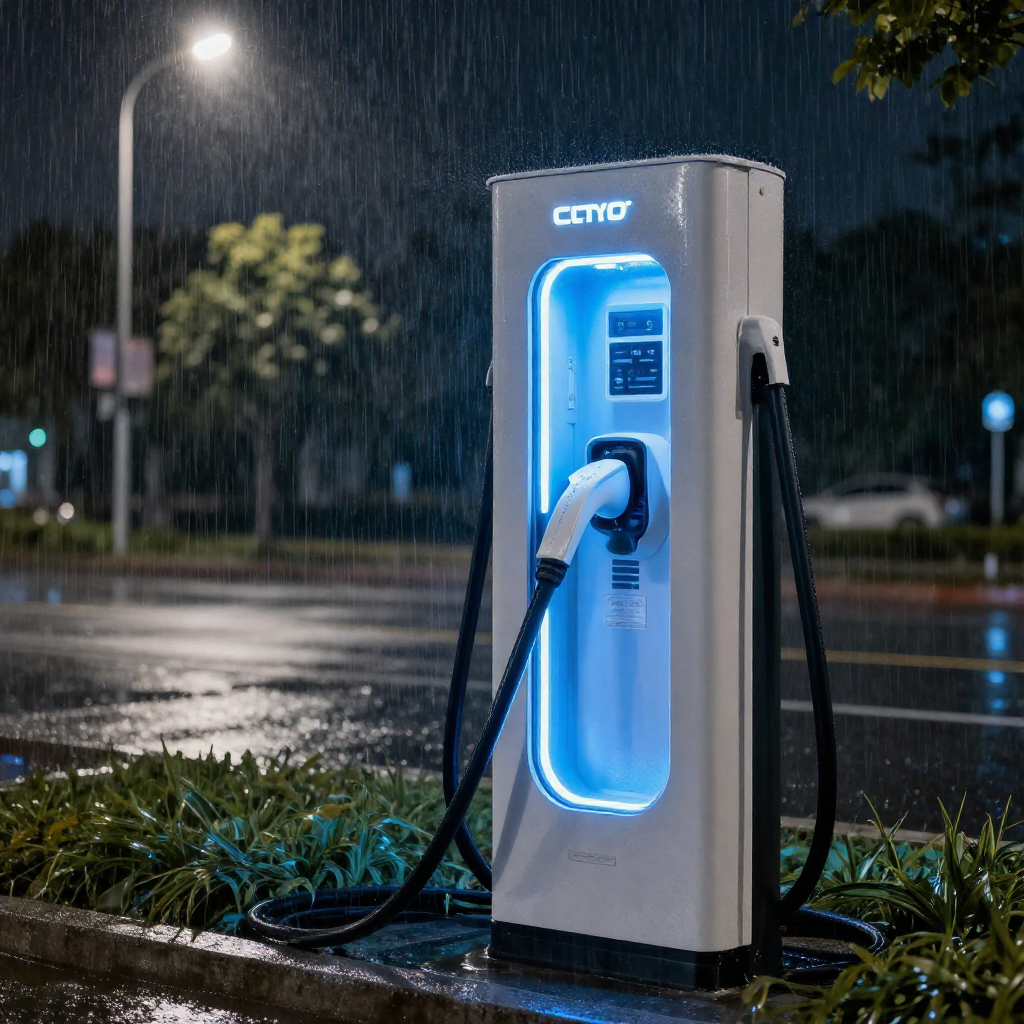
Not every charging station offers the same level of reliability.
Before selecting a charging stop, consider these indicators:
| Reliability Indicator | Why It Matters |
| Multiple charging stalls | Reduces waiting time |
| Recent positive user reviews | Confirms good performance |
| High charging speed | Shortens charging sessions |
| Multiple connector options | Supports more EV models |
| Regular maintenance reports | Indicates active network management |
| Nearby amenities | Makes charging stops more comfortable |
Choosing stations with these characteristics generally results in a smoother travel experience.
Mistakes to Avoid During Long-Distance EV Travel
Even with today’s improved charging infrastructure, certain habits can create unnecessary problems.
Depending on One Charging Network
Every network experiences occasional maintenance or high demand. Having accounts with multiple providers increases your flexibility.
Ignoring Weather Conditions
Cold temperatures and strong headwinds can increase energy consumption, making additional charging stops necessary.
Skipping Backup Chargers
Always identify an alternative charging location within a reasonable distance of your primary stop.
Overlooking Charging Speed
A charger may be available, but if it provides significantly lower charging power, your stop could take much longer than expected.
Assuming Every Charger Is Operational
Although charging networks monitor their equipment, occasional faults can still occur. Checking recent reviews helps confirm current conditions.
How We Plan Long-Distance EV Routes at Engine Saga
Every long-distance evaluation we conduct follows a structured planning process designed to reflect real-world driving.
Our preparation typically includes:
- Reviewing the entire route.
- Identifying primary fast-charging stations.
- Selecting backup charging locations nearby.
- Comparing availability across multiple charging apps.
- Monitoring live updates throughout the journey.
- Adjusting plans when traffic or charger demand changes.
This approach has consistently reduced delays and helped us complete long-distance trips with greater confidence.
One important lesson we’ve learned is that flexibility is just as valuable as battery capacity. Drivers who prepare for changing conditions usually experience smoother journeys than those who depend entirely on a single charging stop.
The Future of Long-Distance EV Charging
Public charging infrastructure continues to expand rapidly, making long-distance EV travel increasingly practical.
Future improvements are expected to include:
- Larger charging hubs
- Ultra-fast charging technology
- AI-powered charger reservations
- Predictive availability forecasts
- Better integration with vehicle navigation
- More reliable real-time updates
- Wider rural charging coverage
These developments will continue reducing range anxiety and improve the overall EV ownership experience.
Final Verdict
So, can you trust charger availability for long-distance travel?
The answer is yes-but smart planning remains essential.
Today’s charging networks are significantly more reliable than they were only a few years ago. Combined with modern charging apps, route planning tools, and expanding infrastructure, EV drivers can confidently travel long distances across much of the United States.
However, experienced drivers understand that flexibility is key. Instead of relying on a single charging station, they verify live updates, keep backup locations in mind, and use multiple charging networks when needed.
At Engine Saga, our real-world testing has consistently shown that thoughtful preparation turns charger availability from a concern into a manageable part of every journey. With the right planning, long-distance EV travel can be efficient, enjoyable, and increasingly predictable.
Frequently Asked Questions
1. Can charger availability change while I’m driving to a charging station?
Yes. Another driver may begin charging before you arrive, or a station could temporarily go offline due to maintenance. Monitoring live updates through charging apps helps you adapt quickly if conditions change.
2. How many charging apps should EV drivers use during long trips?
Using at least two or three trusted charging apps is recommended. Different networks provide different information, and comparing data improves your chances of finding an available charger with accurate pricing and recent user feedback.
3. Is it safe to depend entirely on navigation systems for charging stops?
Navigation systems are extremely helpful, but they shouldn’t be your only source of information. Checking charging apps and recent driver reviews provides additional confidence before arriving at a charging location.
4. What battery level should I aim for before searching for a charger?
Many experienced EV drivers begin planning their next charging stop when the battery reaches approximately 20–30%. This provides enough flexibility to reach an alternative station if the preferred charger becomes unavailable.
5. Will charger availability continue improving over the next few years?
Yes. Charging networks continue expanding, new stations are being installed regularly, and AI-powered route planning is improving charger predictions. These advancements are expected to make long-distance EV travel even more reliable and convenient.
You might also like the following…
- 5 Proven Benefits of Electric Car Brake Service
 Electric car brake service is an important part of maintaining an electric vehicle, even though EVs often need brake pad replacements less frequently than gasoline-powered cars. Thanks to regenerative braking, electric cars can reduce friction-brake… Read more: 5 Proven Benefits of Electric Car Brake Service
 - 10 Essential Tips to Inspect Before a Long EV Road Trip Safely
 Planning a long electric vehicle road trip involves more than charging the battery to 100% and entering a destination into your navigation system. Before leaving home, it is worth checking your tires, brakes, charging equipment,… Read more: 10 Essential Tips to Inspect Before a Long EV Road Trip Safely
 - How to Avoid Wasting Money on Trendy EV Add-Ons
 How to Avoid Wasting Money on Trendy EV Add-Ons is becoming an important question for EV owners. Once you buy an electric vehicle, it is surprisingly easy to keep spending money on products that promise… Read more: How to Avoid Wasting Money on Trendy EV Add-Ons