

Electric vehicles have earned a strong reputation for reliability. With fewer moving parts than gasoline-powered cars, no engine oil changes, and simpler drivetrains, EVs generally require less routine maintenance. However, that doesn’t mean they are maintenance-free.
Like any vehicle, an electric car performs best when it receives consistent care and smart driving habits.
At Engine Saga, we’ve spent years testing electric vehicles in everyday conditions, from busy city commutes and highway road trips to seasonal weather changes and long-term ownership evaluations.
One thing has become clear through our real-world experience: the most reliable EVs aren’t always the newest or most expensive models. They’re the ones owned by drivers who understand how to care for them over time.
Keeping an EV reliable isn’t about following complicated procedures. Instead, it’s about building simple habits that protect the battery, maintain critical systems, and prevent small issues from becoming expensive repairs.
Whether you’re driving your first electric vehicle or you’ve owned one for years, proactive maintenance can improve performance, preserve resale value, and help your EV remain dependable for many years.
In this guide, we’ll explain how to keep an EV reliable for the long run using practical advice based on real ownership experience rather than marketing claims.
How to Keep an EV Reliable for the Long Run
Long-term reliability depends on consistent maintenance, responsible charging habits, regular inspections, and staying informed about your vehicle’s software and service requirements.
The most reliable EV owners typically focus on:
- Battery care
- Proper charging habits
- Tire maintenance
- Brake inspections
- Cooling system health
- Software updates
- Suspension checks
- Clean charging equipment
- Safe driving habits
- Scheduled manufacturer inspections
None of these tasks are difficult individually, but together they significantly improve long-term ownership.
Why Long-Term Reliability Matters
Reliability affects far more than simply avoiding breakdowns.
A dependable EV provides:
- Better daily confidence
- Lower maintenance expenses
- Improved battery performance
- Higher resale value
- More predictable operating costs
- Greater safety
- Better driving efficiency
Preventive maintenance almost always costs less than repairing neglected problems.
Battery Health Is the Foundation of Reliability
The battery is the most valuable component in any electric vehicle.
Modern EV batteries are engineered to last many years, but their long-term performance depends heavily on daily charging habits.
Helpful battery care practices include:
- Charging according to manufacturer recommendations
- Avoiding unnecessary exposure to extreme temperatures
- Limiting frequent DC fast charging when home charging is practical
- Keeping charging equipment clean
- Monitoring battery health through the vehicle’s system
Small habits performed consistently often have a greater impact than occasional major maintenance.
Develop Smart Charging Habits
Charging is one of the few maintenance tasks every EV owner performs regularly.
Creating healthy charging routines helps protect battery performance throughout the vehicle’s life.
Some practical habits include:
Charge During Off-Peak Hours
Many utility companies offer reduced electricity rates overnight.
Scheduling charging during these periods not only lowers energy costs but also helps avoid unnecessary strain on local electrical demand.
Use DC Fast Charging When Appropriate
Fast charging is an excellent solution during road trips.
However, relying on it every day isn’t usually necessary for most drivers.
For routine commuting, slower home charging often provides a balanced approach to convenience and battery care.
Avoid Long Periods at Extremely High or Low Battery Levels
While modern battery management systems offer excellent protection, avoiding prolonged storage at very high or very low charge levels can support long-term battery health.
Keep Your Charging Equipment in Good Condition
Charging reliability doesn’t depend only on the vehicle.
Your charging equipment deserves regular attention as well.
Inspect periodically for:
- Damaged cables
- Loose connectors
- Dirt or moisture
- Physical wear
- Proper storage
Simple inspections help ensure safe and reliable charging sessions.
Tire Maintenance Has a Bigger Impact Than Many Drivers Expect
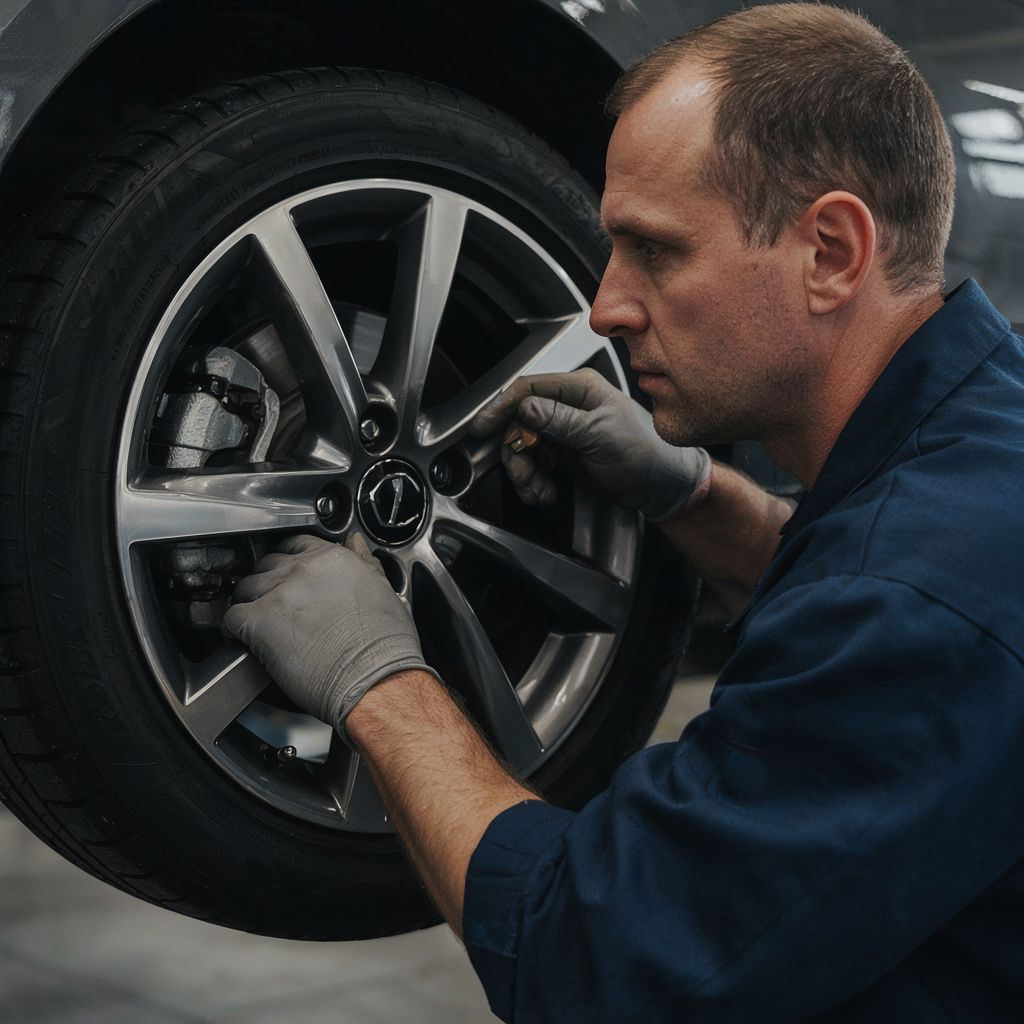
Electric vehicles generate instant torque and often weigh more than similar gasoline-powered vehicles because of their battery packs.
These characteristics can accelerate tire wear if maintenance is neglected.
Regular tire care should include:
- Monthly pressure checks
- Rotation according to manufacturer recommendations
- Tread inspections
- Wheel alignment checks
- Balancing when necessary
Properly maintained tires improve:
- Safety
- Driving range
- Ride comfort
- Handling
- Tire lifespan
Don’t Ignore Brake Inspections
One common misconception is that regenerative braking eliminates brake maintenance.
While regenerative braking reduces wear on brake pads, traditional braking components still require periodic inspection.
Routine brake service includes checking:
- Brake pads
- Brake rotors
- Brake fluid
- Brake lines
- Calipers
Regular inspections help maintain safe braking performance.
Keep the Cooling System Healthy
Battery temperature plays a major role in EV reliability.
Most modern electric vehicles use sophisticated cooling systems to regulate battery temperatures during driving and charging.
Although these systems require relatively little maintenance, they shouldn’t be ignored.
Service may include:
- Coolant inspections
- Leak detection
- Pump operation checks
- Hose inspections
Maintaining proper cooling performance helps preserve both battery efficiency and long-term durability.
Software Updates Improve More Than Features
Unlike many traditional vehicles, modern EVs continue evolving after purchase through software updates.
Manufacturers regularly release updates that may improve:
- Charging performance
- Battery management
- Navigation
- Driver assistance systems
- Energy efficiency
- System stability
Installing recommended updates keeps your vehicle operating with the latest improvements.
Drive Smoothly for Better Long-Term Reliability
Aggressive driving doesn’t just reduce efficiency. it can also increase wear on several vehicle components.
Smooth acceleration and predictable braking help reduce stress on:
- Tires
- Suspension
- Drivetrain
- Battery cooling systems
Gentle driving habits also improve overall energy efficiency.
Protect Your EV From Extreme Weather
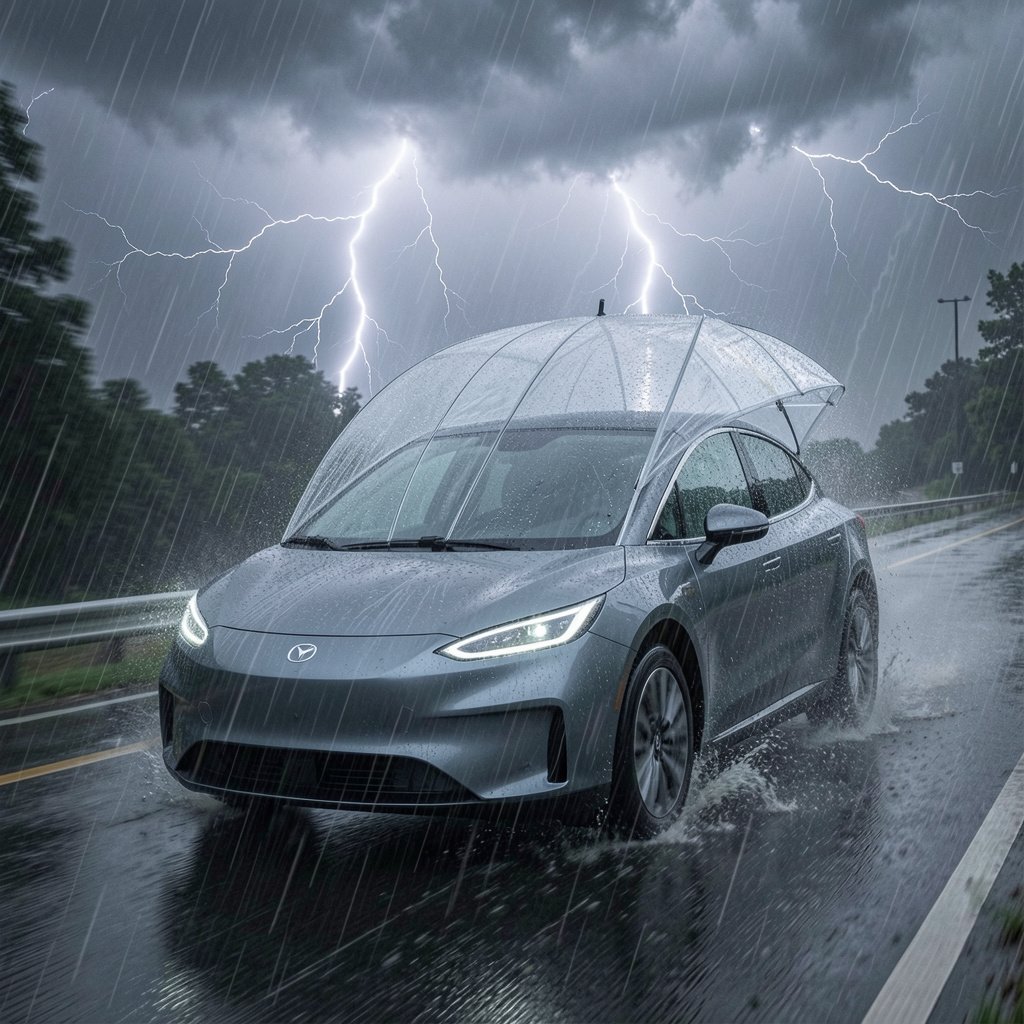
Environmental conditions influence long-term reliability.
Helpful seasonal habits include:
During Summer
- Park in shaded areas whenever possible.
- Avoid leaving the vehicle fully charged in extreme heat for extended periods.
- Allow battery cooling systems to operate normally after fast charging.
During Winter
- Precondition the battery before driving when supported.
- Remove snow and ice carefully around charging ports.
- Keep charging connectors dry and clean.
Weather-aware ownership helps maintain both performance and reliability throughout the year.
Follow the Manufacturer’s Maintenance Schedule
Although EVs require less maintenance than gasoline vehicles, manufacturers still recommend periodic inspections.
These visits often include:
- Battery diagnostics
- Suspension inspection
- Tire evaluation
- Cabin air filter replacement
- Cooling system inspection
- Brake system checks
- Software verification
Following these recommendations helps identify small issues before they become expensive repairs.
How We Maintain Long-Term Reliability at Engine Saga
At Engine Saga, every long-term EV evaluation follows a preventive maintenance approach rather than waiting for problems to appear.
Before each extended road test, we inspect tire pressures, charging equipment, battery health indicators, and software status.
Throughout testing, we monitor charging consistency, braking performance, suspension behavior, and overall efficiency instead of focusing only on driving range.
We also compare how different driving styles affect long-term reliability. Vehicles driven with smoother acceleration, consistent charging routines, and regular inspections generally maintain more predictable performance than those exposed to frequent hard acceleration, neglected tire maintenance, or irregular charging habits.
Our experience has reinforced one important lesson: reliability isn’t determined by one major repair; it’s built through dozens of small maintenance decisions made throughout ownership.
Simple Maintenance Checklist for Every EV Owner
| Maintenance Task | Suggested Frequency |
| Check tire pressure | Monthly |
| Inspect charging cable | Monthly |
| Rotate tires | As recommended by the manufacturer |
| Check brake system | During scheduled service |
| Install software updates | When available |
| Inspect cooling system | During routine service |
| Replace cabin air filter | As recommended |
| Review battery health | Periodically |
Following a simple maintenance routine helps prevent unnecessary wear while supporting dependable long-term performance.
Common Mistakes That Reduce EV Reliability
Even the most advanced electric vehicle can develop avoidable problems if it’s not cared for properly. During our long-term testing at Engine Saga, we’ve noticed that a few common habits have a much bigger impact on reliability than many owners realize.
Ignoring Warning Lights
Modern EVs constantly monitor their electrical systems, battery performance, charging components, and safety features.
If a warning light appears, don’t assume it will disappear on its own. Addressing small issues early often prevents larger and more expensive repairs later.
Skipping Regular Tire Maintenance
Many drivers underestimate how much tires influence an EV’s performance.
Incorrect tire pressure can:
- Reduce driving range
- Increase tire wear
- Affect handling
- Reduce braking performance
Checking tire pressure every month is one of the simplest ways to improve both reliability and efficiency.
Using Damaged Charging Equipment
Charging cables and connectors experience frequent use.
Before charging, quickly inspect:
- Cable insulation
- Connector pins
- Charging port cleanliness
- Plug fitment
Replacing damaged charging equipment promptly improves both safety and charging reliability.
Delaying Scheduled Service
Although EVs require less maintenance than gasoline vehicles, manufacturer-recommended inspections remain important.
Routine inspections allow technicians to identify:
- Cooling system issues
- Suspension wear
- Brake condition
- Battery health
- Software concerns
Preventive servicing usually costs much less than major repairs.
Signs Your EV May Need Professional Inspection
Not every issue is obvious, but several warning signs should never be ignored.
Watch for:
- Unexpected reduction in driving range
- Charging sessions that stop unexpectedly
- Unusual noises from suspension or brakes
- Dashboard warning messages
- Slower-than-normal charging speeds
- Vibrations while driving
- Fluid leaks beneath the vehicle
- Reduced regenerative braking performance
Early diagnosis often prevents more complicated repairs.
How to Maximize Battery Lifespan
Battery longevity is one of the biggest concerns among EV owners.
Fortunately, modern battery technology is designed to last many years when used responsibly.
Helpful practices include:
Maintain Consistent Charging Habits
Frequent, moderate charging generally supports long-term battery health better than constantly allowing the battery to become nearly empty.
Avoid Unnecessary Heat Exposure
Whenever practical:
- Park in shaded areas.
- Use covered parking.
- Allow the battery to cool after extended fast charging.
Reducing excessive heat exposure supports long-term battery performance.
Keep Software Updated
Battery management systems continue improving through manufacturer software updates.
Installing updates helps optimize charging efficiency, battery monitoring, and overall system reliability.
Protect Your EV’s Resale Value
Long-term reliability also influences resale value.
Potential buyers appreciate vehicles with:
- Complete service records
- Healthy battery performance
- Updated software
- Well-maintained tires
- Clean charging equipment
- Accident-free history
- Regular inspections
Documenting maintenance helps demonstrate responsible ownership.
Everyday Habits That Make a Big Difference
Long-term reliability often depends on small daily decisions.
Helpful habits include:
- Charging during off-peak hours when practical.
- Cleaning charging connectors regularly.
- Removing debris from charging ports.
- Parking carefully to avoid wheel damage.
- Washing the vehicle regularly, especially after winter driving.
- Monitoring tire pressure.
- Reviewing software notifications.
- Addressing unusual sounds promptly.
Individually these habits seem minor, but together they contribute significantly to dependable long-term ownership.
Reliability Checklist Before Every Long Trip
Before beginning an extended journey, we recommend reviewing the following checklist.
| Inspection Item | Why It Matters |
| Battery charge level | Ensures sufficient range |
| Tire pressure | Improves safety and efficiency |
| Charging cable condition | Prevents charging interruptions |
| Route planning | Reduces range anxiety |
| Charging app updates | Improves charger availability information |
| Software status | Ensures latest vehicle improvements |
| Emergency charging accessories | Provides additional flexibility |
Spending just a few minutes preparing before departure can prevent hours of inconvenience later.
The Future of Long-Term EV Reliability
Electric vehicle reliability continues improving every year.
Manufacturers are investing heavily in:
- Longer-lasting battery chemistry
- Smarter battery management systems
- Improved thermal management
- Predictive maintenance technology
- AI-assisted diagnostics
- Remote software improvements
- More durable charging components
- Advanced onboard monitoring
These developments will help future EVs remain dependable for even longer ownership periods.
Engine Saga’s Long-Term Ownership Advice
After years of evaluating electric vehicles under real-world conditions, one conclusion remains consistent: reliability is built through routine care, not complicated maintenance.
Drivers who consistently inspect their tires, charge responsibly, install software updates, and follow manufacturer maintenance schedules rarely encounter major reliability concerns.
At Engine Saga, we’ve also found that informed owners enjoy their EVs more because they spend less time worrying about unexpected problems and more time enjoying the driving experience.
Long-term reliability isn’t achieved through expensive repairs. it’s created through simple, consistent ownership habits.
Final Verdict
Keeping an EV reliable for the long run is much easier than many people expect.
Unlike traditional gasoline vehicles, electric cars eliminate many routine maintenance tasks, but they still benefit from responsible ownership.
Battery care, tire maintenance, charging habits, software updates, and regular inspections all contribute to dependable long-term performance.
At Engine Saga, our real-world testing has shown that EV reliability isn’t determined by luck or vehicle price alone. Instead, it’s shaped by the owner’s everyday decisions.
Drivers who maintain healthy charging routines, stay proactive with maintenance, and respond quickly to warning signs consistently experience better reliability, improved efficiency, and higher resale value.
With the right habits, today’s electric vehicles are fully capable of providing many years of dependable, enjoyable, and cost-effective transportation.
Frequently Asked Questions
1. What is the most important habit for keeping an EV reliable over many years?
The most valuable habit is following a consistent maintenance routine. Responsible charging, regular tire inspections, timely software updates, and scheduled servicing work together to preserve battery health and overall vehicle reliability.
2. Do electric vehicles need regular servicing even if they have fewer moving parts?
Yes. Although EVs require less maintenance than gasoline vehicles, they still need inspections for brakes, suspension, cooling systems, tires, cabin air filters, and software updates to ensure long-term reliability.
3. Can frequent fast charging reduce long-term reliability?
Occasional DC fast charging is completely normal for road trips. However, relying on fast charging for nearly every charging session may increase battery stress over time. Home charging remains the preferred option for everyday use whenever practical.
4. How often should I check my EV to prevent reliability issues?
Simple monthly inspections of tire pressure, charging equipment, warning messages, and general vehicle condition can help identify small concerns before they develop into larger maintenance problems.
5. Does software really affect EV reliability?
Absolutely. Software updates often improve battery management, charging efficiency, energy consumption, navigation accuracy, and system stability. Keeping your EV updated ensures you benefit from the latest reliability and performance improvements provided by the manufacturer.
You might also like the following…
- 5 Proven Benefits of Electric Car Brake Service
 Electric car brake service is an important part of maintaining an electric vehicle, even though EVs often need brake pad replacements less frequently than gasoline-powered cars. Thanks to regenerative braking, electric cars can reduce friction-brake… Read more: 5 Proven Benefits of Electric Car Brake Service
 - 10 Essential Tips to Inspect Before a Long EV Road Trip Safely
 Planning a long electric vehicle road trip involves more than charging the battery to 100% and entering a destination into your navigation system. Before leaving home, it is worth checking your tires, brakes, charging equipment,… Read more: 10 Essential Tips to Inspect Before a Long EV Road Trip Safely
 - How to Avoid Wasting Money on Trendy EV Add-Ons
 How to Avoid Wasting Money on Trendy EV Add-Ons is becoming an important question for EV owners. Once you buy an electric vehicle, it is surprisingly easy to keep spending money on products that promise… Read more: How to Avoid Wasting Money on Trendy EV Add-Ons