
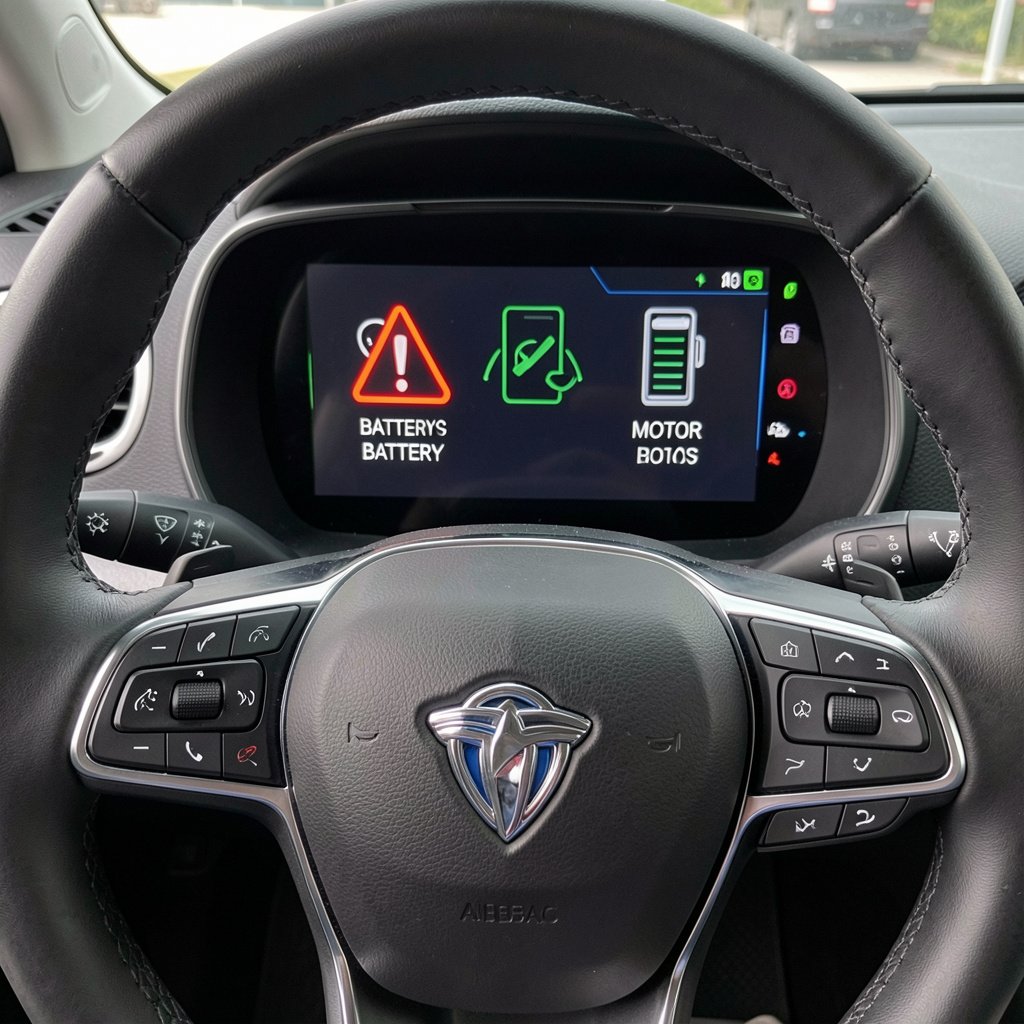
Electric vehicles have transformed the driving experience with quieter operation, instant torque, and significantly fewer mechanical components than traditional gasoline-powered vehicles.
While EVs require less routine maintenance, they are far from maintenance-free. Every modern electric vehicle is equipped with advanced sensors and onboard diagnostic systems designed to monitor everything from battery performance to braking systems.
When something isn’t working as expected, your dashboard becomes the first place you’ll see it.
Many new EV owners assume that warning lights are less important because electric vehicles don’t have engine oil, spark plugs, or conventional transmissions.
In reality, ignoring certain warning lights in an EV can lead to reduced performance, unexpected breakdowns, expensive repairs, or even safety risks. Some alerts simply remind you to perform routine maintenance, while others indicate problems that require immediate attention.
At Engine Saga, we’ve spent years testing electric vehicles in real-world conditions, including city commutes, highway journeys, changing weather, and long-distance road trips. Throughout our evaluations, we’ve learned that understanding dashboard warning lights is one of the simplest ways to prevent small issues from becoming major repairs.
This guide explains which warning lights EV drivers should never ignore, what each warning usually means, and the practical steps you should take to keep your vehicle safe and reliable.
Which Warning Lights Should EV Drivers Never Ignore?
Not every dashboard light signals an emergency, but several warnings should always be taken seriously.
The most important warning lights include:
- High-voltage battery warning
- Brake system warning
- Tire pressure warning
- Battery temperature warning
- Charging system warning
- Motor or powertrain warning
- Electronic stability control warning
- ABS warning
- Airbag warning
- Coolant system warning
Understanding these indicators helps drivers respond quickly and avoid unnecessary damage.
Why Dashboard Warning Lights Matter More Than Many Drivers Realize
Modern EVs constantly monitor hundreds of systems while you drive.
When the vehicle detects unusual operating conditions, it alerts the driver before the problem becomes more serious.
Warning lights help identify:
- Battery issues
- Charging problems
- Electrical faults
- Safety system failures
- Tire problems
- Cooling system concerns
- Brake performance issues
Ignoring these alerts may allow minor problems to become more expensive over time.
High-Voltage Battery Warning Light
The high-voltage battery is the heart of every electric vehicle.
If this warning appears, it may indicate:
- Battery management system faults
- High-voltage electrical issues
- Internal battery abnormalities
- Reduced battery performance
This warning should never be ignored.
Although the vehicle may continue operating temporarily, professional inspection is recommended as soon as possible.
Brake System Warning Light
One common misconception is that regenerative braking eliminates the need for traditional brake maintenance.
In reality, EVs still rely on conventional braking systems for safe stopping.
The brake warning light may indicate:
- Low brake fluid
- Brake system malfunction
- Electronic brake issues
- Parking brake problems
If braking performance changes noticeably, avoid unnecessary driving until the issue has been diagnosed.
Tire Pressure Monitoring System (TPMS) Warning
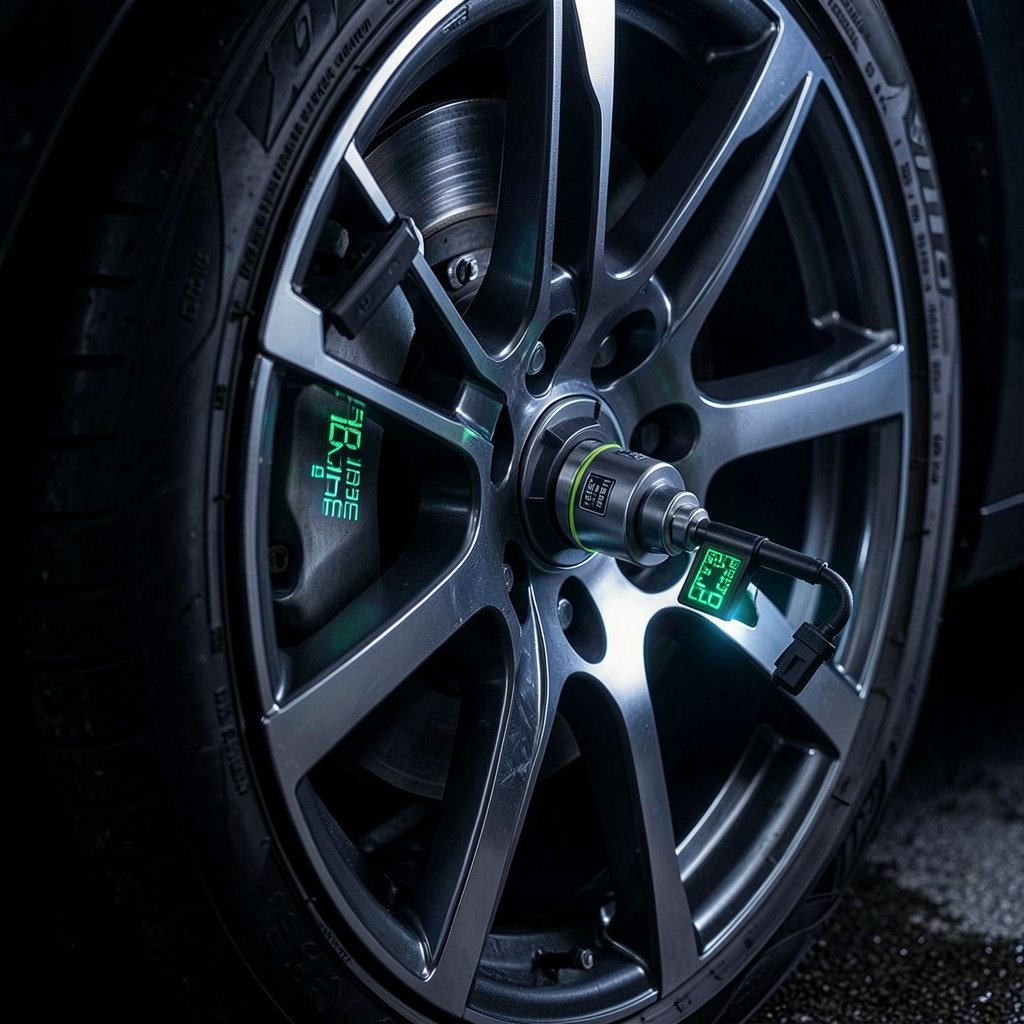
Proper tire pressure affects far more than comfort.
Incorrect pressure can reduce:
- Driving range
- Tire lifespan
- Vehicle stability
- Braking performance
Electric vehicles are often heavier than comparable gasoline vehicles, making proper tire inflation even more important.
Check tire pressures promptly whenever the TPMS warning appears.
Battery Temperature Warning
Battery temperature plays a major role in EV performance and longevity.
If the battery becomes too hot or too cold, the vehicle may limit charging speed or driving performance to protect battery health.
Possible causes include:
- Extreme weather
- Repeated fast charging
- Heavy driving loads
- Cooling system issues
Allowing the battery to return to its recommended operating temperature often resolves temporary warnings, but recurring alerts should be inspected.
Charging System Warning Light
Charging problems aren’t always caused by the charger itself.
A charging warning may indicate:
- Charging port issues
- Communication errors
- Onboard charger faults
- Electrical connection problems
If your EV repeatedly fails to charge properly, avoid forcing multiple charging attempts before determining the underlying cause.
Motor or Powertrain Warning
Unlike gasoline vehicles, EVs use electric motors instead of internal combustion engines.
A motor or powertrain warning may involve:
- Motor controller issues
- Power electronics
- Drive unit faults
- Electrical communication errors
Performance may become limited until repairs are completed.
Although some faults are temporary, recurring powertrain warnings should always be investigated.
ABS Warning Light
The Anti-lock Braking System helps maintain steering control during emergency braking.
If the ABS warning appears:
- Normal braking usually remains available.
- Anti-lock protection may be disabled.
- Emergency braking performance could be reduced.
Drivers should schedule service promptly, particularly if additional brake warnings appear simultaneously.
Electronic Stability Control (ESC) Warning
Electronic Stability Control improves vehicle control during slippery conditions or sudden steering maneuvers.
A flashing ESC light usually indicates that the system is actively helping maintain traction.
However, a continuously illuminated warning may indicate:
- Sensor faults
- Stability system malfunction
- Reduced traction assistance
This warning deserves attention, especially before driving in rain, snow, or other low-traction environments.
Airbag Warning Light
The airbag system performs self-checks every time the vehicle starts.
If the warning light remains illuminated, possible causes include:
- Sensor malfunction
- Airbag module fault
- Seat occupancy sensor issues
- Electrical connection problems
Since airbags are critical safety equipment, this warning should never be ignored.
Coolant System Warning
Although EVs don’t require engine coolant in the same way gasoline vehicles do, many electric vehicles still use dedicated cooling systems for:
- Battery packs
- Electric motors
- Power electronics
Cooling system problems may reduce performance or affect battery longevity.
Possible warning causes include:
- Low coolant
- Cooling pump failure
- Temperature sensor issues
- Cooling circuit malfunction
Prompt inspection helps prevent overheating.
Understanding Warning Light Colors
Dashboard colors provide valuable information about urgency.
| Warning Color | Meaning | Driver Action |
| Green | System operating normally | No action required |
| Blue | Information only | Monitor system |
| Yellow/Amber | Caution or service needed | Schedule inspection soon |
| Red | Serious issue | Stop safely and inspect immediately |
While not every yellow warning requires immediate repairs, every red warning deserves prompt attention.
How We Monitor Warning Lights During Engine Saga Testing
At Engine Saga, dashboard warnings are an important part of every long-term EV evaluation. We don’t simply record whether a warning light appears, we analyze the conditions that triggered it and how the vehicle responds.
During testing, we monitor battery temperatures before and after fast charging, observe charging behavior in different weather conditions, check tire pressures regularly, and evaluate brake system performance over extended driving cycles.
We also compare dashboard alerts with diagnostic information whenever possible to understand whether a warning reflects a temporary operating condition or a developing mechanical issue.
This real-world approach has taught us that many warning lights appear long before drivers notice changes in vehicle performance. Responding early often prevents more expensive repairs and keeps the vehicle operating safely.
Warning Lights That Often Have Simple Solutions
Not every dashboard alert signals a major repair.
Some warnings may result from:
- Low tire pressure after temperature changes
- An incompletely closed charging port
- Temporary communication interruptions
- Minor software updates
- A weak 12-volt battery
Even if the cause seems minor, it’s still worth confirming the reason before continuing regular driving
Warning Lights That Require You to Stop Driving Immediately
Some dashboard warnings indicate conditions that could affect your safety or cause significant damage if ignored. While every vehicle manufacturer has its own warning system, the following alerts generally require immediate attention.
Red High-Voltage Battery Warning
A red high-voltage battery warning may indicate a serious fault within the battery system or high-voltage electrical components.
If this warning appears:
- Pull over safely when possible.
- Turn off the vehicle if recommended in the owner’s manual.
- Avoid attempting repeated restarts.
- Contact roadside assistance or an authorized service center if necessary.
Driving with a major battery fault could lead to further system damage.
Brake System Failure Warning
If the brake warning light appears together with reduced braking performance, do not continue driving unless absolutely necessary.
Safe braking is essential for every journey, and any loss of braking capability should be treated as an emergency.
Severe Coolant System Warning
Some EVs display red temperature or cooling system warnings when battery or power electronics temperatures become unsafe.
Ignoring these warnings may trigger automatic power reduction or vehicle shutdown to protect critical components.
Multiple Warning Lights Appearing Together
Occasionally, several dashboard warnings may illuminate at the same time.
This can indicate:
- Electrical communication problems
- 12-volt battery failure
- Control module faults
- Charging system issues
When multiple safety-related warnings appear simultaneously, professional diagnosis is strongly recommended.
Common Mistakes EV Owners Make When Warning Lights Appear
Understanding warning lights is important, but responding correctly is equally essential.
Ignoring Intermittent Warnings
Some drivers dismiss warning lights that disappear after restarting the vehicle.
Although temporary faults do occur, repeated warnings often indicate developing problems that should be investigated before they worsen.
Continuing to Fast Charge Despite Battery Temperature Warnings
If the vehicle reports excessive battery temperature, repeatedly using DC fast charging may increase thermal stress.
Allowing the battery to cool naturally often improves both charging performance and long-term battery health.
Assuming Every Warning Is Battery-Related
Electric vehicles contain numerous systems beyond the high-voltage battery.
Dashboard alerts may involve:
- Tires
- Brakes
- Suspension
- Airbags
- Steering
- Lighting
- Sensors
Reading the specific warning message helps identify the affected system.
Delaying Professional Inspection
Some owners continue driving for weeks after a warning first appears simply because the vehicle still feels normal.
Modern EVs often detect problems before drivers notice performance changes.
Early diagnosis usually reduces repair costs.
How Preventive Maintenance Reduces Warning Lights
Preventive maintenance remains valuable even though EVs require fewer scheduled services than gasoline vehicles.
Simple maintenance habits include:
- Checking tire pressure monthly
- Inspecting tires for uneven wear
- Cleaning the charging port
- Monitoring software updates
- Replacing cabin air filters as recommended
- Checking brake components periodically
- Following manufacturer service schedules
Routine inspections help identify potential issues before dashboard warnings appear.
When a Warning Light Can Wait
Not every dashboard alert requires immediate roadside assistance.
Examples include:
- Washer fluid reminders
- Maintenance reminders
- Low tire pressure with normal vehicle handling
- Information notifications
- Driver assistance calibration reminders
These warnings should still be addressed, but they usually don’t require stopping immediately.
Myths About EV Warning Lights
Myth 1: EVs Have Fewer Warning Lights Than Gasoline Cars
Reality: Electric vehicles often have just as many warning indicators because they monitor sophisticated electrical systems, battery management, driver assistance features, and connected technologies.
Myth 2: Restarting the Vehicle Fixes the Problem
A restart may temporarily clear certain software-related alerts, but it doesn’t permanently solve mechanical or electrical faults.
Recurring warnings should always be diagnosed properly.
Myth 3: Battery Warnings Always Mean Battery Replacement
Most battery warnings involve sensors, charging conditions, cooling systems, or software rather than battery failure.
Professional diagnostics determine the actual cause.
Myth 4: Yellow Warning Lights Can Always Be Ignored
Amber warnings generally indicate caution rather than emergency.
However, delaying inspection may allow relatively inexpensive repairs to become more costly.
Practical Tips for Every EV Driver
At Engine Saga, we recommend a few simple habits that greatly reduce unexpected dashboard alerts:
- Learn the meaning of your vehicle’s warning symbols before an emergency occurs.
- Keep your owner’s manual easily accessible.
- Install your manufacturer’s official mobile app for service notifications.
- Monitor tire pressure regularly.
- Use approved charging equipment.
- Follow recommended maintenance intervals.
- Avoid ignoring recurring warning lights.
These habits improve both safety and long-term vehicle reliability.
Engine Saga’s Real-World Experience
Throughout our years of testing electric vehicles in everyday driving conditions, we’ve found that dashboard warning lights often serve as an early warning system rather than an indication of immediate failure.
For example, we’ve occasionally encountered tire pressure warnings following sudden temperature changes or charging alerts caused by temporary communication issues between the charger and the vehicle. Addressing these alerts promptly prevented unnecessary inconvenience and helped us continue testing without interruption.
We’ve also learned that the most reliable EV owners are those who treat every warning light as useful information instead of an inconvenience. Understanding what each alert means leads to better maintenance decisions, fewer unexpected repairs, and greater confidence behind the wheel.
Final Verdict
So, which warning lights should EV drivers never ignore?
Any warning related to the high-voltage battery, braking system, charging system, cooling system, airbags, or powertrain deserves immediate attention. While some alerts may indicate relatively minor issues, responding early is almost always less expensive and safer than waiting for symptoms to become more serious.
Electric vehicles are designed to monitor themselves continuously, giving drivers valuable information long before a major failure occurs.
By understanding dashboard warning lights, following recommended maintenance schedules, and acting promptly when alerts appear, EV owners can enjoy safer, more reliable, and more efficient driving.
At Engine Saga, our real-world testing consistently reinforces one important lesson: warning lights are there to protect both your vehicle and your investment. Paying attention to them is one of the simplest ways to extend the life of your EV and reduce unexpected repair costs.
Frequently Asked Questions
1. Which EV warning light should I treat as the most serious?
The high-voltage battery warning is among the most important because it relates to the vehicle’s primary power system. If accompanied by reduced performance or additional red warnings, the vehicle should be inspected as soon as possible.
2. Can I continue driving if a yellow warning light appears?
In many cases, yes. Yellow or amber warnings usually indicate that service is needed rather than an immediate emergency. However, drivers should identify the cause promptly and avoid ignoring recurring alerts.
3. Why do EV warning lights sometimes disappear after restarting the vehicle?
Temporary software or communication interruptions can occasionally clear after a restart. If the same warning returns, it likely indicates an underlying issue that requires professional diagnosis rather than simply resetting the system.
4. Does cold or hot weather trigger more EV warning lights?
Extreme temperatures can affect battery performance, tire pressure, charging speed, and cooling systems. Modern EVs may display temporary alerts to protect critical components until operating conditions return to normal.
5. How can I reduce the chances of dashboard warning lights appearing?
Following recommended maintenance schedules, checking tire pressure regularly, using approved charging equipment, installing software updates, and responding quickly to minor alerts all help reduce the likelihood of more serious warning lights developing later.
You might also like the following…
- 5 Proven Benefits of Electric Car Brake Service
 Electric car brake service is an important part of maintaining an electric vehicle, even though EVs often need brake pad replacements less frequently than gasoline-powered cars. Thanks to regenerative braking, electric cars can reduce friction-brake… Read more: 5 Proven Benefits of Electric Car Brake Service
 - 10 Essential Tips to Inspect Before a Long EV Road Trip Safely
 Planning a long electric vehicle road trip involves more than charging the battery to 100% and entering a destination into your navigation system. Before leaving home, it is worth checking your tires, brakes, charging equipment,… Read more: 10 Essential Tips to Inspect Before a Long EV Road Trip Safely
 - How to Avoid Wasting Money on Trendy EV Add-Ons
 How to Avoid Wasting Money on Trendy EV Add-Ons is becoming an important question for EV owners. Once you buy an electric vehicle, it is surprisingly easy to keep spending money on products that promise… Read more: How to Avoid Wasting Money on Trendy EV Add-Ons